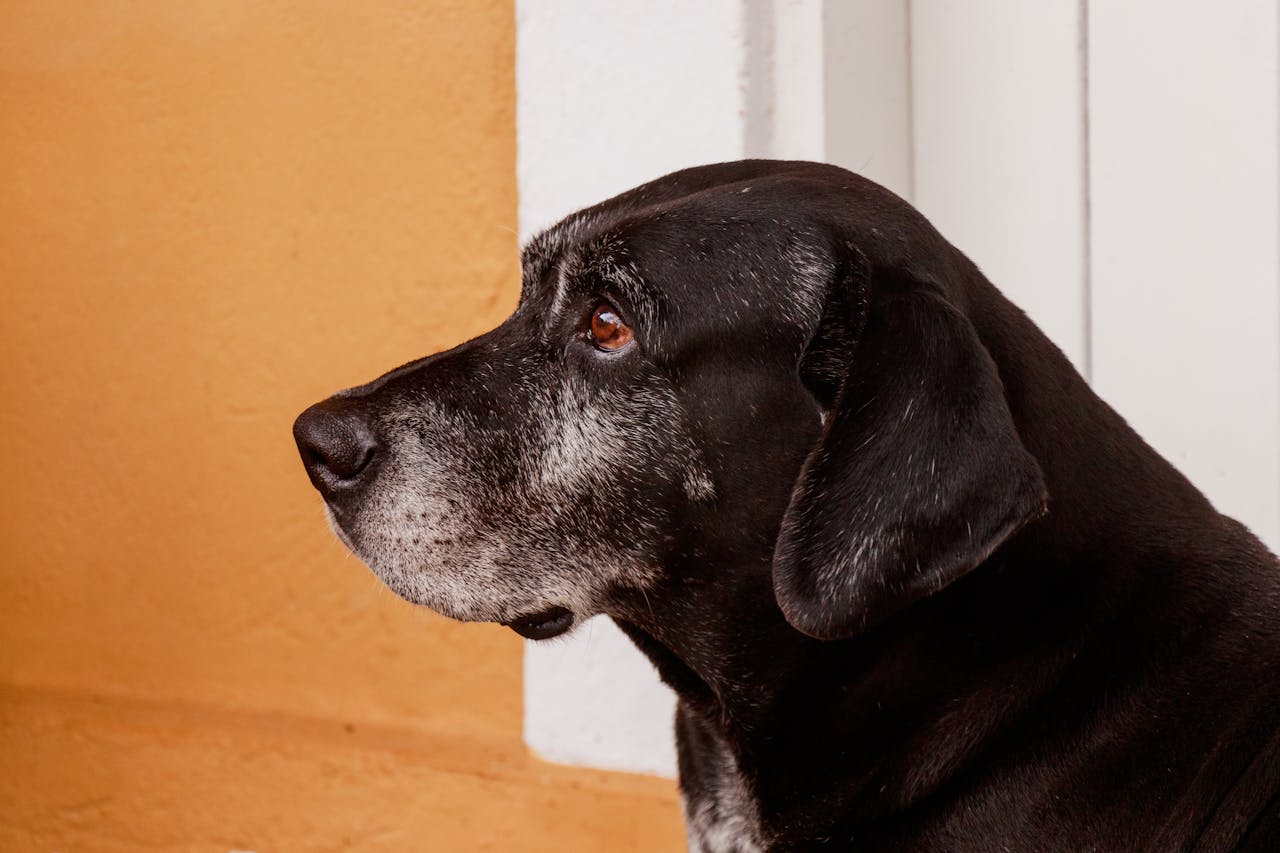
Just like us, dogs get older. And if you’ve shared your life with a pup for years, you know how important it is to show up for them as they move into their golden years. Senior dogs need a little extra love, patience, and thoughtful care to stay comfy, healthy, and happy.
In this guide, we’ll walk through what changes as dogs age, how to support their physical and emotional well-being, and what you can do to help them enjoy life at a slower, sweeter pace. From vet visits and nutrition to movement and comfort, it’s all about helping your dog feel good every single day.
How Aging Affects Your Dog’s Body
Aging is a natural part of life, and dogs feel it too. One of the first things most pet parents notice is that their dog just isn’t as energetic as before. Senior pups love their naps and may get tired faster on walks or during playtime — totally normal.
Muscle strength can also decrease with age, which may affect balance and coordination. Because of that, older dogs can be more prone to slips or minor injuries, so a little extra care goes a long way.
Vision and hearing often decline too. Your dog might not react as quickly to sounds or may seem a bit unsure in new spaces. Dental issues are also common — things like tartar buildup, sore gums, or tooth pain can make eating uncomfortable and affect their overall mood.
That’s why regular vet care becomes even more important as dogs age. Senior dogs may need ongoing treatments, medications, or a customized diet to support their changing bodies. With the right support, though, they can still enjoy life and feel good doing it.
Feeding Your Senior Dog the Right Way
Nutrition is huge when it comes to keeping older dogs healthy. As dogs slow down, their metabolism changes, which means they usually need fewer calories. Overfeeding can lead to weight gain and joint issues, so portion control really matters.
Protein is still important to help maintain muscle, but it needs to be balanced — especially since aging kidneys can struggle with high protein levels. Healthy fats support skin and coat health, but again, moderation is key.
Fiber is another big win for senior dogs. It supports digestion and helps prevent tummy troubles. Many older dogs also benefit from added vitamins and minerals to support joints, bones, the heart, and overall vitality.
And don’t forget water. Staying hydrated is essential, especially for kidney health. Make sure fresh water is always available.
Every dog is different, so it’s always a good idea to talk to your vet or a pet nutrition expert to build the best diet plan for your dog’s specific needs.
Dental Care Still Matters (A Lot)
Dental health doesn’t stop being important just because your dog is older — in fact, it becomes even more crucial. Gum disease, plaque, and tooth pain can seriously impact your dog’s comfort and even lead to problems with the heart or kidneys.
Brushing your dog’s teeth a few times a week with dog-safe toothpaste can make a big difference. It helps reduce plaque and keeps their mouth healthier overall.
Diet also plays a role. Certain dry foods and dental treats can help minimize tartar buildup. Some dogs benefit from safe, vet-approved bones or chews that naturally clean teeth and massage the gums — just be careful to choose the right size and texture.
Regular vet dental check-ups are a must. Professional cleanings and early problem detection can prevent a lot of discomfort down the line.
Keeping Senior Dogs Moving (Gently)
Even if your dog isn’t sprinting like they used to, movement is still super important. Gentle, regular activity helps keep joints flexible, muscles strong, and spirits high.
Short, relaxed walks are perfect. Let your dog set the pace — it’s more about consistency than distance. Light playtime with soft toys can also be fun without being overwhelming.
Swimming is an amazing low-impact option, especially for dogs with joint pain. The water supports their body and reduces stress on the joints. Just make sure safety always comes first.
Simple activities like slow stair walking (if your dog is comfortable) can also help maintain strength. Always watch for signs of fatigue and adjust as needed.
Your vet can help you create the right activity routine based on your dog’s health and mobility.
Vet Visits: Non-Negotiable
Routine vet check-ups are a big part of caring for an older dog. Most senior dogs should see the vet at least once or twice a year — sometimes more if they have ongoing health issues.
During visits, your vet checks overall health, tracks changes, updates vaccinations, and catches potential problems early. Preventive care like flea control, weight monitoring, dental care, and eye and ear checks all add up to a better quality of life.
If something seems off — behavior changes, appetite loss, mobility issues — don’t wait. Early intervention can make a huge difference.
Living Well With Chronic Conditions
Many older dogs live with chronic conditions like arthritis, diabetes, heart issues, or allergies. While it can feel overwhelming, the right care plan can help your dog stay comfortable and active.
Regular vet visits, following medication schedules, and sticking to recommended diets are essential. Maintaining a healthy weight is especially important, as extra pounds can worsen symptoms.
Gentle exercise, a calm routine, and a cozy home environment all help. Soft bedding, warm spaces, and easy access to food and water can seriously improve day-to-day comfort.
Keep an eye on any changes and communicate openly with your vet so adjustments can be made when needed.
Being There at the End
Saying goodbye is the hardest part of loving a pet. But even in those final days, your presence and care mean everything.
Your vet can help guide you through this time, explain options, and help you make decisions that prioritize your dog’s comfort and dignity. Sometimes that includes making tough choices, like euthanasia, to prevent suffering.
Create a peaceful, cozy space. Offer gentle affection, quiet companionship, and reassurance. Your dog feels your love — always.
And remember to take care of yourself too. Lean on friends, family, or other pet parents. Grief is real, and support matters.
Final Thoughts
Caring for an older dog is all about compassion, patience, and paying attention to their changing needs. With regular vet care, balanced nutrition, gentle movement, and lots of love, your dog can enjoy comfort and joy well into their senior years.
Your commitment to them — especially later in life — is one of the purest forms of friendship. And trust us, your dog feels it every single day.









⚠️ We suggest that you read all the opinions on our portal and take note of them at your own discretion. Do not self-medicate! In our articles we collect the latest scientific data and opinions of authoritative experts in the field of health care. But remember: only a doctor can diagnose and treat.
The portal is intended for users over 13 years old. Some materials may not be suitable for children under the age of 16. We do not collect personal data from children under 13 without parental consent.We have a small request. We strive to create quality content about pet care, and we make it available for free to everyone because we believe everyone deserves accurate and useful information.
Advertising revenue only covers a small portion of our costs, and we want to continue to provide content without having to increase advertising. If you have found our content useful, please support us. It only takes a minute, but your support will help us reduce our reliance on advertising and create even more useful articles. Thank you!

