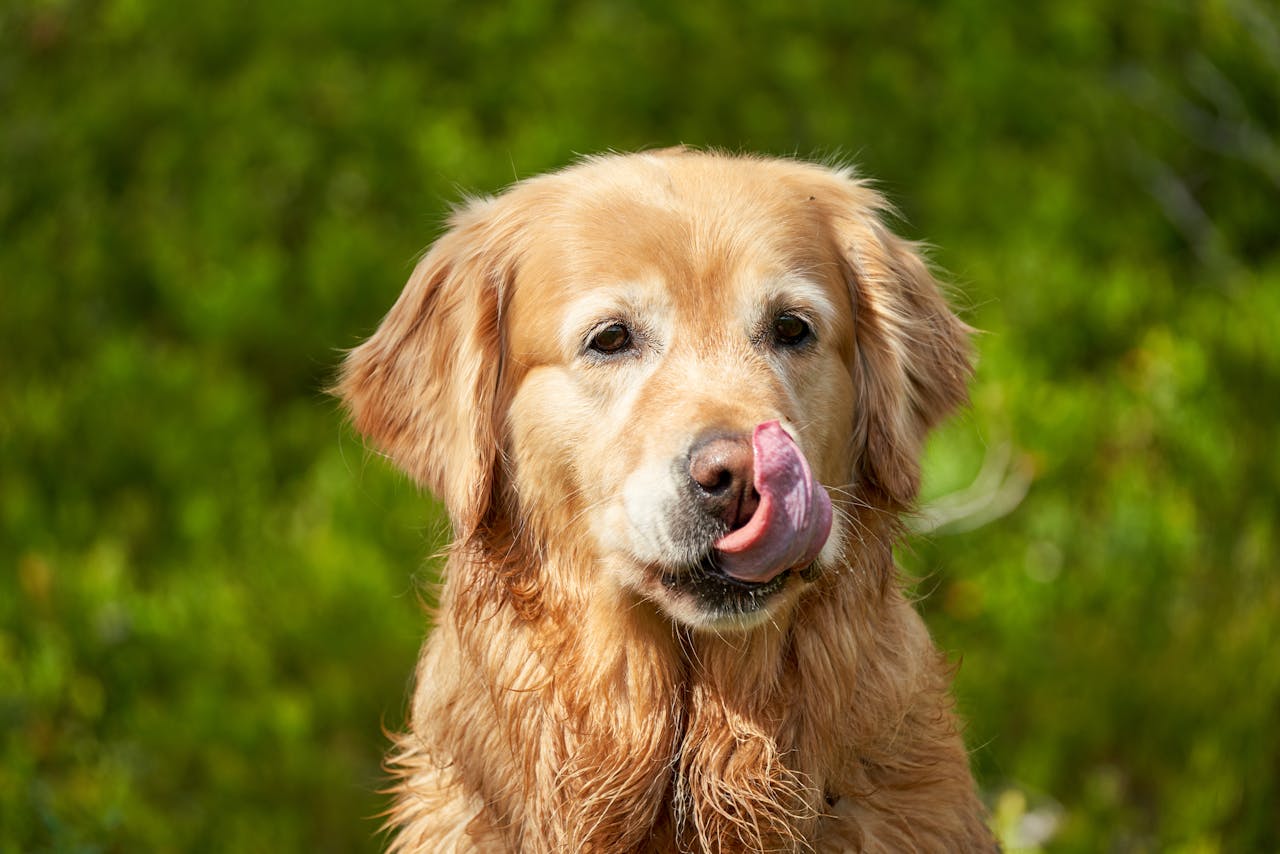
Cancer in dogs is something every veterinarian sees often in practice. Many pet owners want to know whether diet can reduce risk or support long-term health. While food alone cannot stop cancer, strong evidence shows that good nutrition helps the immune system and may lower certain risks. This is also why many students and early professionals exploring Veterinarian Jobs are taught the importance of connecting nutrition with whole-body health early in their careers.
Veterinarians combine clinical experience with research to help pet owners make informed choices. This article brings together simple, practical guidance you can use in everyday care.
Why Nutrition Matters in Cancer Prevention
Good nutrition strengthens the immune system, supports cell repair, and reduces chronic inflammation. These three factors are connected to cancer risk. Vets often explain that dogs with balanced diets show better resilience, faster recovery, and improved quality of life overall.
Many long-term studies focus on how lifestyle affects disease. One important example is the Morris Foundation Golden Retriever Lifetime Study, which tracks thousands of dogs to understand cancer risk. Nutrition is a major part of that research.
Key Nutrients That Support Cancer Prevention
1. Omega-3 Fatty Acids
Omega-3s help reduce inflammation. Lower inflammation means fewer chances for abnormal cell changes. Fish oil, sardines, anchovies, and algae-based oils are great sources.
2. Antioxidants
Vitamins A, C, and E help protect cells from damage. Blueberries, spinach, sweet potatoes, and pumpkin are easy additions that many dogs enjoy.
3. Lean Protein Sources
High-quality protein supports strong muscles and immune function. Vets may recommend chicken, turkey, eggs, fish, and some plant-based proteins for dogs with specific conditions.
4. Probiotics and Gut Health
A healthy gut supports a strong immune system. Fermented foods for dogs and veterinary probiotic formulas can help maintain balance.
Anti-Cancer Foods for Dogs
Veterinarians often guide pet owners toward simple foods that support natural defenses. Here are some commonly recommended options:
Blueberries
Rich in antioxidants, good for cell protection.
Broccoli
Contains sulforaphane, a compound researched for its anti-cancer potential.
Turmeric (Curcumin)
Known for anti-inflammatory effects, though dosing should always be vet-guided.
Leafy Greens
Spinach, kale, and similar greens support detoxification and vitamin intake.
Pumpkin
Great fiber source for gut health and low in calories.
These foods support health but must be added safely, especially for dogs with medical conditions.
How Weight Management Reduces Cancer Risk
Research shows that overweight dogs have a higher chance of developing some cancers. Excess fat can trigger chronic inflammation and hormonal imbalance. Vets often highlight weight control as one of the most effective prevention strategies.
Tips include:
• Using measured meals
• Limiting high-calorie treats
• Encouraging slow, steady activity
• Choosing nutrient-dense, low-calorie snacks
A healthy body score makes a measurable difference in cancer risk reduction.
Feeding Approaches That Support Immune Health
Fresh Diets
Some pet owners use cooked or raw diets under veterinary guidance. Fresh meals can offer higher moisture and better digestibility.
Commercial Veterinary-Formulated Diets
These provide consistent nutrient profiles and are tested for safety.
Mixed Feeding
Combining wet and dry food can increase hydration and enrich meals with diverse nutrients.
The most important part is not the style of feeding but the nutrient balance and safety.
Diet for Dogs Already Diagnosed With Cancer
Dogs with cancer have special nutritional needs. Many vets follow guidelines that focus on:
- High-quality proteins
- Moderate fat levels
- Low carbohydrates
- High omega-3 intake
- High digestibility
- Controlled inflammation
Each dog needs a tailored plan. A veterinary oncologist or nutritionist can help select the right diet for the diagnosis and stage of disease.
Environmental and Dietary Risks to Consider
Nutrition is only part of the picture. Environmental chemicals, smoke, lawn pesticides, and contaminated water can increase long-term risks. Vets often teach families to avoid:
- Burned or charred meats
- Processed meats
- High-sodium snacks
- Foods with artificial dyes
- Low-quality food brands without testing
Balanced nutrition plus a clean environment provides better protection than either one alone.
Role of Veterinary Teams in Cancer Prevention
Veterinary professionals play a key role in educating pet families. Many new professionals exploring entry-level veterinary assistant jobs learn quickly that discussing diet is part of everyday practice. Technicians, assistants, and vets often collaborate to create preventive care plans centered around nutrition and lifestyle.
This teamwork helps ensure consistent advice and stronger patient outcomes.
When to Refer Pet Owners to a Nutrition Specialist
Referral may be needed when:
• A dog has multiple health conditions
• Weight loss or muscle wasting occurs
• A pet has food allergies and cancer
• Owners want home-prepared diets
• Cancer treatment affects appetite
A board-certified veterinary nutritionist can create detailed feeding plans that support the dog’s treatment and comfort.
Holistic Nutrition: What Vets Consider Safe
Many families ask about turmeric, mushrooms, herbal supplements, or CBD. Holistic care can be useful, but safety must always come first. Vets focus on evidence-based supplements with known dosing guidelines.
Key considerations include:
• Quality testing
• Possible interactions with chemotherapy
• Liver and kidney health
• Long-term safety data
Holistic options should be supportive, not replacements for treatment.
Can Nutrition Completely Prevent Cancer?
No diet can guarantee cancer prevention. However, nutrition can support healthier immune responses, reduce inflammation, and lower certain risk factors. Preventive feeding combined with regular veterinary visits provides the best protection.
Early detection makes a significant difference, which is another reason ongoing care is essential.
Frequently Asked Questions (FAQs)
1. Can food alone stop cancer in dogs?
No. Food cannot completely prevent cancer, but it can support stronger immunity and reduce some risk factors.
2. Are fresh or raw diets better for preventing cancer?
Not necessarily. Any diet—fresh, raw, or commercial—must be complete, balanced, and safe. Each dog’s needs are different.
3. Which foods are best for boosting a dog’s immune system?
Blueberries, broccoli, leafy greens, pumpkin, and foods rich in omega-3 fatty acids are commonly recommended.
4. Does weight affect cancer risk in dogs?
Yes. Overweight dogs have higher inflammation levels, which can increase certain cancer risks.
5. Is turmeric safe for all dogs?
It can be helpful but must be used carefully. Always consult a veterinarian before using supplements.
Conclusion
Nutrition plays an important part in cancer prevention and long-term health in dogs. Vets combine research, experience, and ongoing studies—like the Golden Retriever Lifetime Study—to guide families toward better feeding choices. A balanced diet, healthy weight, and safe environment all contribute to a lower risk and better quality of life.
With strong veterinary guidance and mindful daily habits, nutrition becomes a powerful tool in supporting dogs through every stage of life.










⚠️ We suggest that you read all the opinions on our portal and take note of them at your own discretion. Do not self-medicate! In our articles we collect the latest scientific data and opinions of authoritative experts in the field of health care. But remember: only a doctor can diagnose and treat.
The portal is intended for users over 13 years old. Some materials may not be suitable for children under the age of 16. We do not collect personal data from children under 13 without parental consent.We have a small request. We strive to create quality content about pet care, and we make it available for free to everyone because we believe everyone deserves accurate and useful information.
Advertising revenue only covers a small portion of our costs, and we want to continue to provide content without having to increase advertising. If you have found our content useful, please support us. It only takes a minute, but your support will help us reduce our reliance on advertising and create even more useful articles. Thank you!

