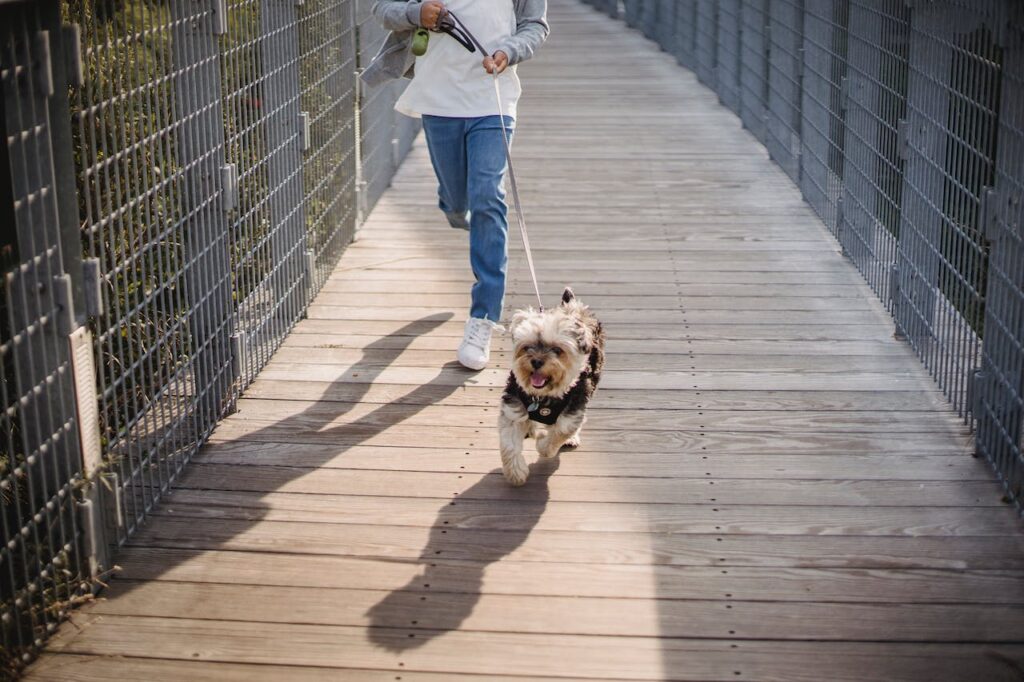
Walking your dog is meant to be an enjoyable experience. It’s a time for bonding, strolling at your own pace, and relishing the outdoors. Personally, walking my dogs ranks high among the highlights of my day. Both of us benefit greatly from these outings; exercise keeps our joints healthy, and mentally, it’s enriching.
However, the joy of walking with your dog diminishes when they refuse to move in certain directions. Whether they plop down mid-walk, pull in the opposite direction, or firmly resist moving with you, it can be exasperating and spoil the experience.
So, what causes dogs to resist walking in specific directions?
There are various reasons behind a dog’s reluctance to walk in certain directions, often tied to insufficient socialization or training. They might struggle with distractions, finding it challenging to heed commands. Additionally, a negative past experience or fear of something in the area could contribute. Furthermore, they might feel fatigued, uncomfortable, or unwell.
Let’s delve into why your dog might refuse to walk in particular directions, determining whether it’s a matter of requiring more training or seeking emotional support from you. Furthermore, we’ll explore signs that refusal to walk in specific directions could indicate your dog isn’t feeling well and whether it warrants concern.
Why Is My Dog Resistant to Walking in Specific Directions?
Even though it might not always be necessary, I make a habit of carrying dog treats whenever I take my dogs for a walk. This way, I’m always prepared to reward them if something unexpected occurs.
During our walks, unexpected occurrences like deer suddenly crossing our path, loud noises, or situations that make my fearful Border Collie uneasy, such as strangers approaching too closely, can happen. I consistently reward my dogs for their positive responses to these situations to prevent them from feeling the need to resist walking in certain directions.
However, had I not focused on foundational training, like teaching them to walk well on a leash and to ignore distractions and stress triggers, they might have shown resistance to walking in specific directions. Let’s delve into why this might happen.
Reason 1: Lack of Socialization in Your Dog
As per the Animal Humane Society, “Socializing your dog… is one of the most effective ways to ensure they grow into friendly and confident adults.” Contrary to popular belief, socializing your dog doesn’t mean they should interact with every dog or person they encounter. Instead, it entails them learning to disregard distractions and focus on you; otherwise, they might refuse to walk in certain directions when they’re distracted.
Additionally, dogs need exposure to various environments for socialization. Allowing them to explore different places during walks builds their confidence to handle abrupt changes or loud noises that might otherwise cause them to resist walking in certain directions.
Reason 2: Insufficient Training Needs
Some may label it as stubbornness or misbehavior, but often, the refusal to walk in certain directions can be attributed to inadequate training. It’s our responsibility as responsible dog owners to attend to our canine companions’ needs, which includes training.
Training a dog goes beyond teaching basic commands like “sit” and “shake.” Crucial tools we should impart to our dogs include manners, impulse control, walking on a leash, and “leave it.”
Impulse control training instills self-discipline in dogs, preventing undesirable behaviors. Many “bad dog” behaviors stem from a lack of impulse control, such as refusing to walk in certain directions, jumping, counter surfing, or chasing other animals.
Check out this video to see how enjoyable working on impulse control can be for both you and your furry friend.
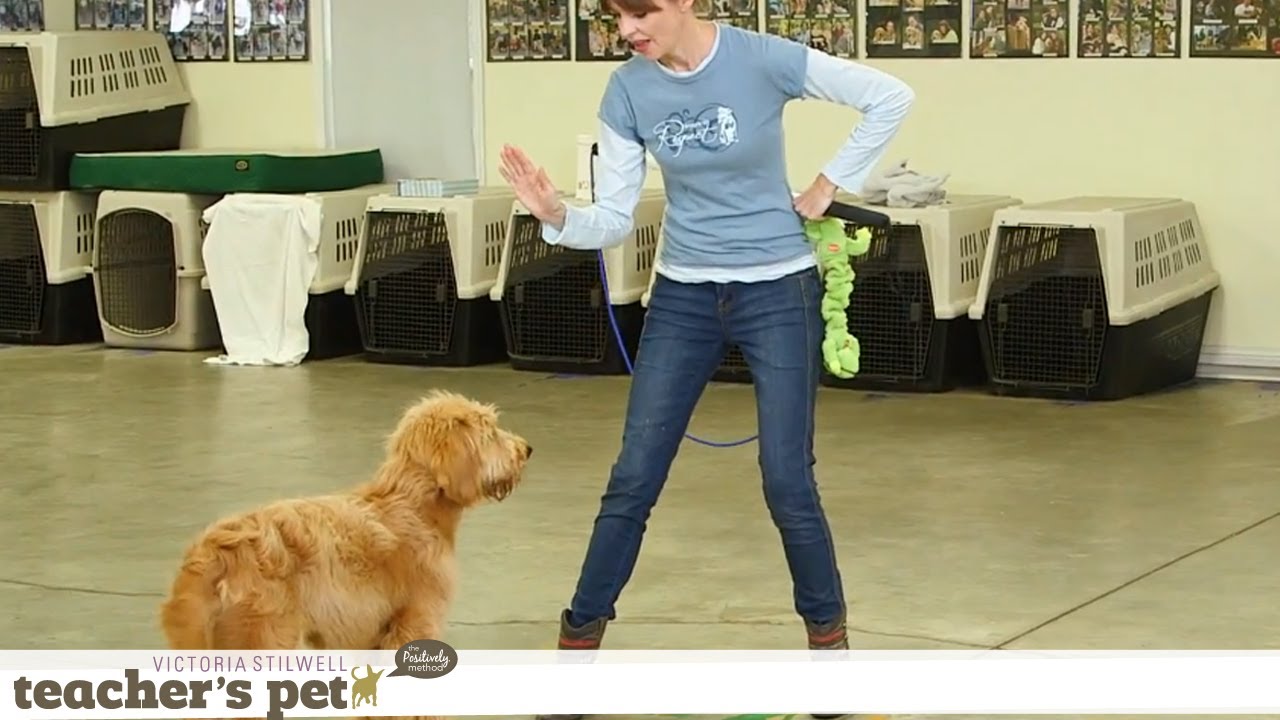
Teaching your dog to walk on a leash is another essential skill to prevent them from refusing to move in certain directions. Dogs typically have a natural inclination to pull on the leash, and when they resist going in specific directions, many will lean into the leash.
Considering the historical roles of various dogs as working animals, such as sled pullers or cart-pullers, it’s understandable why they tend to pull on the leash rather than walk with a slack leash. If you’re dealing with a strong leash puller that refuses to move in certain directions, this article might provide useful insights.
Moreover, a dog lacking impulse control and pulling on the leash requires mastering a solid “leave it” command. “Leave it” signifies that your dog must refrain from pursuing something (food, toys, scents, or animals) without your approval.
For dogs refusing to walk in specific directions and pulling towards something they find intriguing, it’s crucial they heed the “Leave it” command and redirect their attention to you.
Independent dogs or breeds with strong prey drives might require extra training, but positive reinforcement can help even the most stubborn dogs learn to listen. Here’s a video to assist you in initiating “Leave it” training.

Reason 3: Your Dog Is Easily Distracted
Do you notice your dog pulling excessively, glancing backward, or showing resistance to walking in specific directions during your walks? It’s not just a sign of potential lack of socialization or training; it also indicates significant distraction in your dog.
Several factors can distract a dog, including other people, dogs, wildlife like squirrels, deer, or cats, vehicles such as cars, bicycles, or motorcycles, odors like garbage or urine, and the scent markings left by other dogs. Additionally, strange noises or encountering new equipment like a harness or collar can divert their attention.
What peculiar things tend to distract your dog when they resist walking in certain directions?
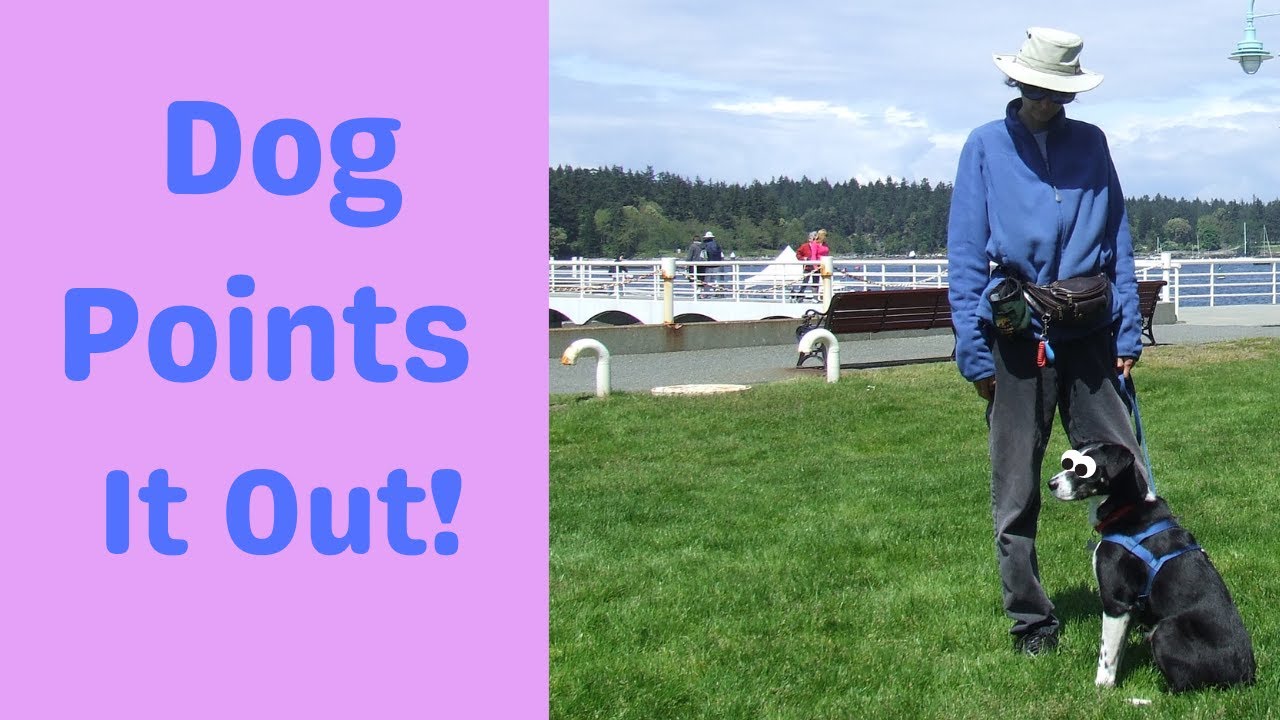
Teaching your dog the behavior of “look at that,” abbreviated as LAT, proves beneficial when they become distracted. LAT enables a dog to acknowledge their trigger distraction, gaze at it, and then redirect their attention to you while maintaining calmness (and earning a reward). This skill isn’t just valuable for reactive dogs but for any easily distracted dog that might otherwise refuse to walk in specific directions.
To delve deeper into LAT, watch the instructional video below.
Reason 4: Your Dog Is Anxious
When I adopted my Border Collie as a puppy, she was quite anxious, requiring substantial time for gradual socialization, exposure to new environments, and acclimation to unfamiliar people and dogs. Consequently, her reluctance to walk in specific directions usually stems from fear.
For instance, in her early days, when a train passed overhead while we were walking under a bridge, it left a lasting impact. It took months of patient efforts before I could guide her in that direction without her pulling away. She exhibited classic signs of an anxious dog, displaying behaviors like showing the whites of her eyes, freezing, lowering her body, tucking her tail, as well as yawning, lip-licking, panting, drooling, attempting to flee or hide, shaking, and eventually losing focus or responsiveness.
When a dog reaches such high levels of stress, focusing on you becomes extremely challenging, leading them to refuse to walk in the direction of whatever frightens them. Apart from alarming noises like trains, gunfire, or loud vehicles, dogs might avoid certain directions due to negative past experiences or fear of unfamiliar people or dogs. Such dogs require extra treats, verbal encouragement, and emotional reassurance. The “look at that” game proves beneficial for scared dogs resisting walking in specific directions.
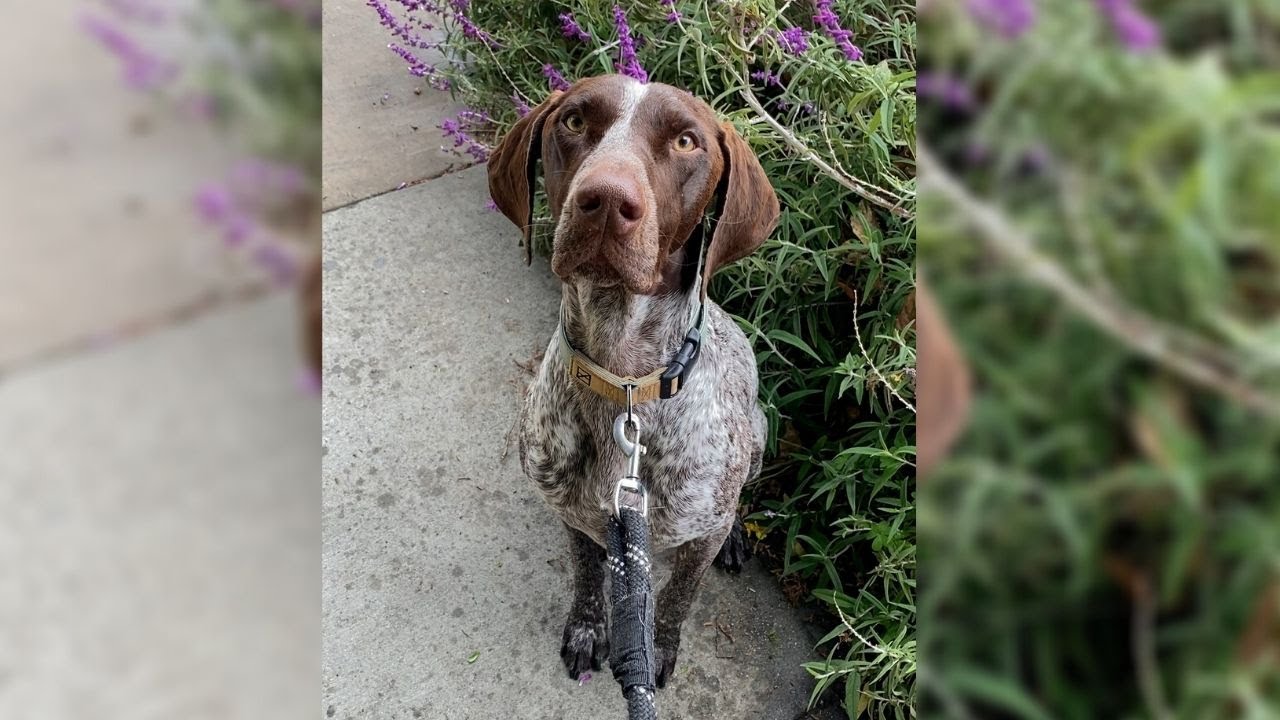
Alternatively, adverse weather conditions might stress your dog, making them eager to return home to the comfort and warmth of your house, causing them to refuse to walk in certain directions. As seen in the video below, even this German Shorthair Pointer adamantly resists walking in any direction when it’s raining.
Reason 5: Your Dog Is Fatigued
Dogs that require minimal exercise, puppies, or senior dogs might refuse to walk in specific directions not out of stubbornness, but simply because they’re tired and ready to head home.
Daily exercise is vital for mental stimulation, joint health, and preventing conditions like diabetes and obesity. However, not every dog needs lengthy walks.
Puppies should have limited exercise until their skeletal system is fully developed. Similarly, aging dogs might struggle with arthritis and require more rest, easily becoming fatigued and sore from excessive activity. Even the most energetic dogs can tire, especially in hot weather.
Before adopting a new dog, researching breeds is crucial to ensure they align with your lifestyle. For instance, an active individual might prefer a high-energy dog. Conversely, expecting a low-energy dog to join in a 10k run might result in fatigue and refusal to walk in certain directions.
Should I Be Concerned?
Most of the time, dogs refusing to walk in certain directions might need more training or a bit of emotional support in stressful situations. However, if this behavior is new, it’s worth paying attention to your dog.
Apart from fatigue, some dogs might be experiencing soreness and stiffness, especially older dogs prone to arthritis, muscle weakness, or dementia, hindering their ability to complete a walk. Your vet can prescribe pain relief to help senior dogs feel more comfortable, but they might still require shorter walks.
General lethargy or a lack of interest in regular activities could indicate a serious illness or injury. Look for other symptoms like difficulty using stairs, vomiting, diarrhea, behavioral changes, limping, whining, or changes in appetite.
If your dog suddenly refuses to walk in certain directions and exhibits other unusual changes, consult your veterinarian immediately.
Can My Dog Walk Freely?
On days when you have extra time for a long walk, it’s okay to occasionally allow your dog to lead the way if they’re refusing to walk in certain directions, as long as they maintain good leash manners. Let your dog explore and sniff around, turning the walk into a “sniffari.”
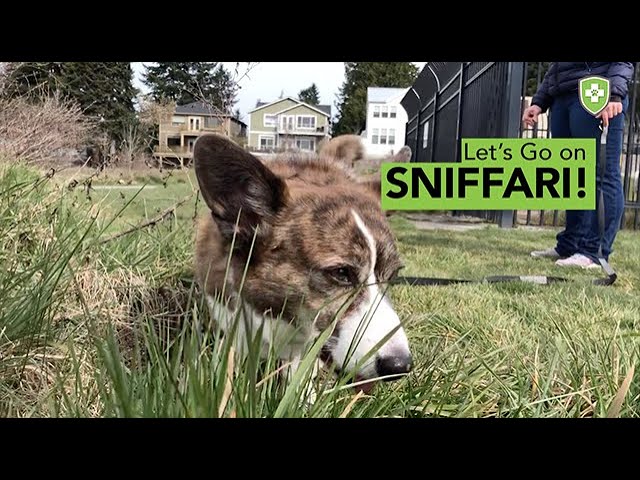
Sniffing isn’t just a way for dogs to gather information about their surroundings, providing mental stimulation, but it also functions as a natural stress-reliever for anxious and nervous dogs.
By allowing your dog to sniff and take the lead during walks, you’re demonstrating that you won’t push them into uncomfortable situations. This fosters trust, boosting their confidence for unexpected or frightening encounters, reducing the likelihood of them refusing to walk in specific directions.
A significant benefit is that your dog will likely return home both physically and mentally tired after your “sniffari,” ready for some cuddle time. Equip yourself and your dog with comfortable walking gear and set off on exploratory adventures!
Closing Thoughts
Exercise is crucial for maintaining your furry friend’s overall health, regardless of whether you have a high-energy or low-energy breed. So, it can be frustrating when they resist walking in certain directions.
While it’s easy to attribute this behavior to stubbornness, it’s often linked to under-socialization, insufficient training, or easy distractibility. Typically, this can be addressed with a stash of high-value treats and engaging training games like “Leave it” and “Look at that.”
Respecting your dog’s fears and avoiding forcing them into uncomfortable situations aids in building their trust and confidence, particularly when faced with scary stimuli. Treats play a significant role here!
Lastly, sometimes it’s alright to let your dog take the lead during a walk. Sniffing not only provides mental stimulation but also helps alleviate stress. Even if your dog decides to head home due to tiredness, they’ll still relish the adventure of being out with you.
Розбір теми 2026 року.









⚠️ We suggest that you read all the opinions on our portal and take note of them at your own discretion. Do not self-medicate! In our articles we collect the latest scientific data and opinions of authoritative experts in the field of health care. But remember: only a doctor can diagnose and treat.
The portal is intended for users over 13 years old. Some materials may not be suitable for children under the age of 16. We do not collect personal data from children under 13 without parental consent.We have a small request. We strive to create quality content about pet care, and we make it available for free to everyone because we believe everyone deserves accurate and useful information.
Advertising revenue only covers a small portion of our costs, and we want to continue to provide content without having to increase advertising. If you have found our content useful, please support us. It only takes a minute, but your support will help us reduce our reliance on advertising and create even more useful articles. Thank you!