When your furry companion disregards your calls during the night, it’s natural to wonder what’s going on. While it’s easy to comprehend their occasional inattention when they’re amidst other dogs or outdoors, the silence of a nighttime setting, where it’s just you and your dog, can be perplexing. Your home might seem like a tranquil oasis with family members engrossed in TV, homework, dinner preparations, and bedtime routines. It’s the perfect moment for your loyal pet to join you on the couch for a cozy snuggle, yet they opt to ignore you. So, why does your dog choose to dismiss you when the world around seems calm?
Dogs have their reasons for ignoring their owners at night, and it’s not always a case of disobedience. In this article, we’ll delve into several factors that contribute to your dog’s nighttime disinterest, shedding light on their motivations. Whether it’s reinforcement patterns, fatigue, personal space, motivation, nocturnal comfort, or nervousness, there’s more than meets the eye. Aging dogs, in particular, might struggle due to physical or cognitive limitations that hinder their attentiveness during the night.
We’ll explore these reasons in detail, understanding that while we hope for our beloved pets to be attentive, nighttime indifference doesn’t necessarily equate to misbehavior. It often stems from their individual comfort or unique personalities. Additionally, we’ll provide you with valuable tips to discern why your dog may be ignoring you at night and how to enhance their responsiveness.
What’s Behind My Dog’s Reluctance to Approach Me at Night?
Nighttime neglect from your dog may be attributed to various factors, ranging from a lack of training to an excess of it, auditory impairment, or their innate aloofness. However, it’s crucial not to misinterpret a dog’s avoidance behavior as a sign of deliberate indifference. Sometimes, a dog’s reluctance to approach you at night can be linked to fatigue, discomfort, or fear. Aging or unwell dogs, in particular, might find it physically challenging to respond to your calls during nighttime hours.
In the following sections, we’ll discern when your dog’s nighttime aloofness is a behavioral matter demanding further training or when it could signify a potential health issue.
Reason 1: You’ve Encouraged Ignoring Behavior
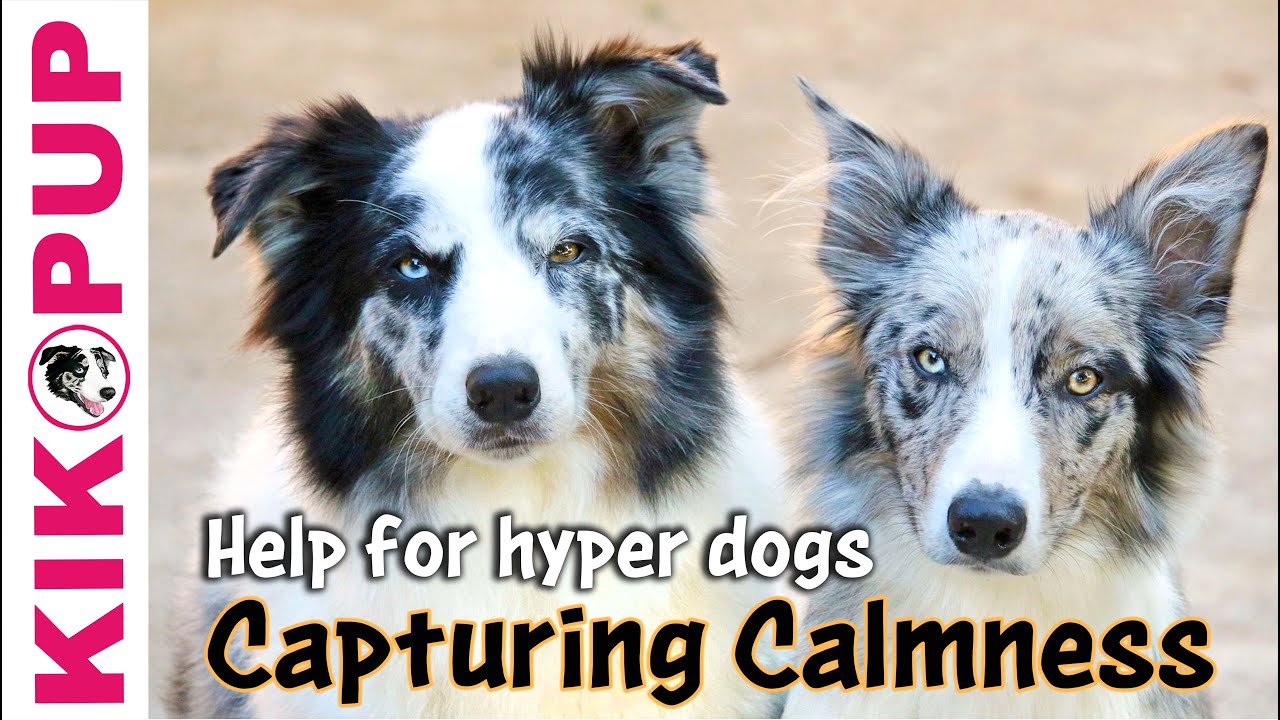
When I adopted my border collie, it was paramount to instill an “off switch” for indoor moments. I aimed to avoid the hyperactive stereotype often associated with this breed. To achieve this, I focused on reinforcing calming signals, such as yawning and lying down.
Not only did this teach her self-control, but it also made handling unexpected situations, like having guests over, more manageable. For a comprehensive guide, Kikopup’s video “Capturing Calmness” is an excellent starting point.
In my pursuit of training, it seems I may have succeeded a bit too well. Utilizing positive reinforcement and enthusiastic verbal praise for staying on her designated spot, I unintentionally conditioned her to stay there. Consequently, she now retreats to her crate and refuses to come out, ignoring me at night.
Reason 2: Your Dog Lacks Motivation
Recall my Border Collie who chooses to ignore me at night? While she appreciates a good petting session occasionally, she’s not inherently a cuddly dog. Thus, evening snuggles don’t hold much appeal for her. Nighttime provides her with the perfect opportunity to disregard my calls, especially since she’s already had dinner, playtime has concluded, and she’s likely a tad tired from the day’s activities.
For dogs like her, who aren’t particularly motivated by physical affection and have already satisfied their basic needs, the allure of nighttime snuggles may be insufficient. There can be several reasons why a dog lacks motivation to engage at night, such as past traumatic experiences, physical discomfort, or simply a disposition that doesn’t favor cuddling. Additional training may be required to incentivize them to be more attentive during these hours.
Reason 3: Your Dog Is Content
When your dog is cozily nestled on their bed or comfortably ensconced in their crate with the door ajar, they’re probably experiencing a high level of comfort. During the winter, the cold prompts my dogs to eagerly respond when I beckon them for a movie night snuggle on the couch. Conversely, in the sweltering summer, they prefer to ignore me and seek cooler spots, often the bathroom floor.
If your dog perceives their current location as the epitome of comfort and believes that responding to your call isn’t more rewarding than staying put, they may choose to ignore you at night.
Reason 4: Your Dog Is Fatigued
According to veterinarian Sandra C. Mitchell, dogs typically spend about 50% of their day sleeping, which amounts to approximately 12-14 hours. Puppies and senior dogs tend to need even more rest. Dogs that have been vigorously exercised or undergone extensive training often crash into a deep slumber after their eventful day. So, if you find your dog seemingly ignoring you at night while sleeping, it’s more likely due to sheer exhaustion.
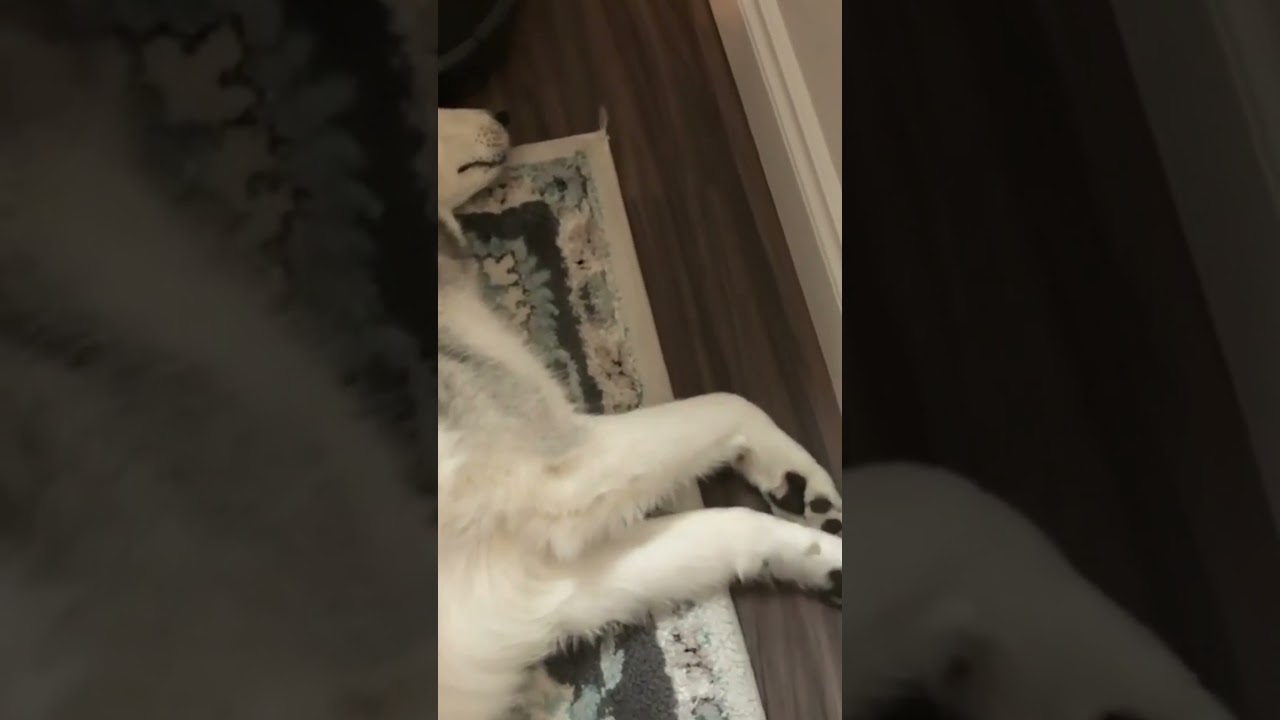
I’ve observed that my usually cuddly dogs, after a day of intensive hiking or a relentless agility trial, don’t always manage to meet their recommended sleep quota. Consequently, at night, they appear as if they’re ignoring me when, in reality, they’re catching up on their much-needed rest. Some dogs sleep so soundly that not only do they ignore you, but they may even start twitching in their sleep, much like this husky.
Furthermore, a dog that’s been on an extended walk might also be experiencing muscle soreness, causing them to move slowly and resist getting up at night. In such cases, they’re not intentionally ignoring you but are simply recuperating from their tired and achy muscles.
Reason 5: Your Dog Craves Personal Space
While dogs are inherently social beings, even the most sociable of them may occasionally require some personal space. This need for space could explain why they choose to ignore you at night. It might be because they desire a more extensive area to stretch out or find a different room more comfortable, possibly due to a more inviting bed or a temperature variation.
On the other hand, some dog breeds have an innate inclination toward aloofness. For instance, the Great Pyrenees and other livestock guardian dogs were selectively bred to function independently, protecting livestock from predators without constant human intervention. This autonomous nature has resulted in a stubborn yet protective temperament. Breeds like these are prone to ignoring you at night and may even prefer sleeping outdoors!
Additionally, a dog that has experienced a stressful day might ignore you at night because they need some space. Perhaps they spent the day in the car or were exposed to distressing sounds like fireworks or loud vehicle noises. Seeking solitude is a common response to fear and stress.
It’s crucial to allow your dog to approach you at their own pace, accompanied by encouragement and treats, as demonstrated in this video.

Reason 6: Your Dog Is Anxious
A nervous dog is more likely to ignore you than a content, happy dog. Anxiety can make them uncertain about whether it’s safe to approach you. When they ignore you at night, it’s not an act of defiance but rather a reflection of their lack of confidence to respond to your call.
Pay attention to your dog’s body language. When they’re too tired to respond and ignore you at night, they might not even open their eyes. However, anxious dogs tend to exhibit appeasement signals such as rolling on their back, lip licking, lowering and curving their body, and lowering their head. These are signs of passive submissiveness—they want to come to you but something is making them nervous.
On the other hand, behaviors like whale eyes, trembling, drooling, or heavy panting indicate that nervousness is escalating into anxiety or fear.
Whether your dog is ignoring you at night due to anxiety related to grooming activities or nighttime sounds that unsettle them, it’s essential to heed their body language and provide them with space and time. Never resort to yelling, especially when they are already anxious or stressed. Instead, offer praise and treats to reinforce the idea that they don’t need to ignore you when they’re anxious at night but can turn to you for support.
Reason 7: Your Dog Is Aging
One of the most challenging aspects of dog ownership is witnessing the aging process in our beloved companions. Aging dogs experience physical slowdowns and often contend with health issues such as vision impairments, weakened back legs, arthritis, and incontinence. The appearance of random lumps and bumps may trigger concern whenever they arise.
Moreover, some dogs encounter cognitive challenges as they enter their senior years, leading to new behavioral problems, including ignoring you at night. Canine dementia can bring about increased anxiety, confusion, and spatial disorientation.
Increased daytime sleepiness might cause them to wake up and bark at night. Additionally, joint problems like arthritis can leave older dogs feeling sore and bewildered, contributing to irritability and the tendency to ignore you at night.
Beyond cognitive issues, your aging dog might be ignoring you at night because they’re struggling with mobility. Weak back legs make it harder for them to respond when you call, hearing loss impairs their ability to hear you, and failing eyesight hampers their ability to navigate around furniture or ascend stairs. So, when your elderly dog opts to sleep downstairs and ignores you at night, it’s likely not a deliberate choice but a reflection of their aging and reduced sensory and physical capabilities.
Should I Be Concerned?
If your dog seems to be ignoring you at night, it may not be a deliberate choice; they could be unwell. Sudden changes in behavior, such as decreased energy or disobedience, can be significant indicators of a dog’s illness. Ignoring you at night might actually be a manifestation of lethargy. If your dog displays a dramatic behavioral shift like this, it’s advisable to consult your veterinarian promptly. Other signs of potential illness in dogs include:
- Loss of appetite
- Vomiting and diarrhea
- Respiratory difficulties
- Excessive panting
- Whining
- Fever
Additionally, senior dogs deserve to age with dignity. If you suspect that your aging dog is in pain or experiencing age-related anxiety, discussing these concerns with your veterinarian is essential. They can prescribe pain relief and anti-anxiety medications, conduct routine examinations, and perform blood work to ensure your senior dog enjoys the best quality of life possible.
How Can I Capture My Dog’s Attention at Night?
Certain dogs may not naturally gravitate toward paying attention to you during the nighttime hours. This might be due to fatigue, comfort, nervousness, hearing impairment, or an inherent aloofness that leads them to ignore you at night.
Nevertheless, training your dog not to disregard you at night is crucial. When you call your dog, they should respond if they are physically and mentally capable, as this could be vital in emergencies.
Avoid using punishment when your dog ignores you; it can frighten them and cause them to hide at night, possibly under the bed. Instead, employ positive reinforcement training techniques to condition your dog to come to you when called at night. Recall is an essential skill both indoors and outdoors. Use your dog’s name, add the command “come,” and reward them with treats and praise when they respond to your call.
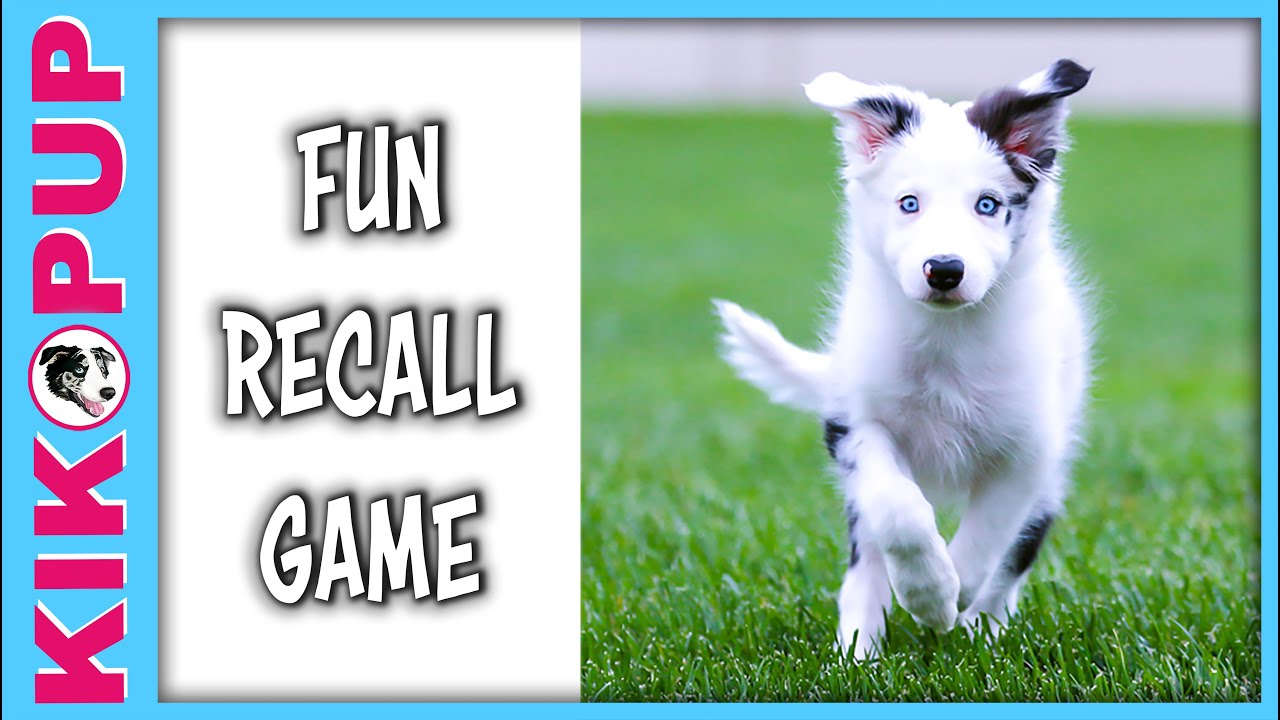
You can practice this command during nighttime activities, such as when waiting for water to boil or during TV commercials. This reinforcement will encourage your dog to pay attention to you instead of ignoring you at night. Here’s a helpful step-by-step video on recall training.
Final Thoughts
Dog ownership encompasses more than just snuggling and cozy evenings on the couch. Dogs possess unique personalities, and some may naturally be more aloof, either due to their breed or past experiences. These dogs are more inclined to ignore you at night.
Moreover, dogs that are tired or experiencing soreness from a busy day, feeling nervous, lacking proper training and motivation, or facing age-related challenges might inadvertently frustrate their owners by ignoring them at night. Aging dogs may lose their hearing, become confused, or experience physical limitations.
While it’s acceptable for some dogs to be less cuddly than others, it’s crucial to train your dog to respond to you, even during nighttime hours. In case of emergencies, they should have a reliable recall.
Utilizing positive reinforcement techniques, such as treats and praise, not only builds the foundation for a dependable recall but also fosters a relationship built on trust. This ensures that your dog will come to you when they are scared instead of ignoring you at night.
Головні відкриття у догляді за улюбленцями 2026 року.







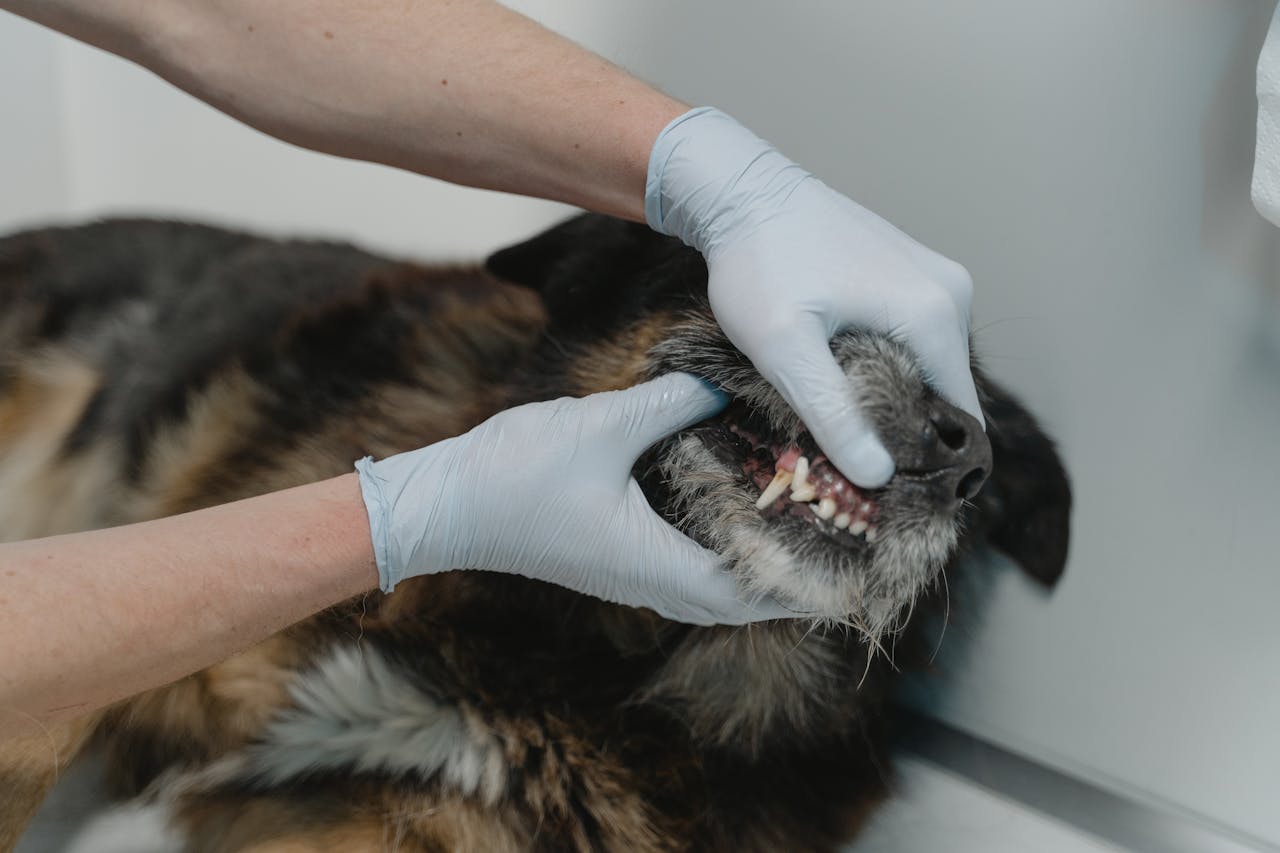


⚠️ We suggest that you read all the opinions on our portal and take note of them at your own discretion. Do not self-medicate! In our articles we collect the latest scientific data and opinions of authoritative experts in the field of health care. But remember: only a doctor can diagnose and treat.
The portal is intended for users over 13 years old. Some materials may not be suitable for children under the age of 16. We do not collect personal data from children under 13 without parental consent.We have a small request. We strive to create quality content about pet care, and we make it available for free to everyone because we believe everyone deserves accurate and useful information.
Advertising revenue only covers a small portion of our costs, and we want to continue to provide content without having to increase advertising. If you have found our content useful, please support us. It only takes a minute, but your support will help us reduce our reliance on advertising and create even more useful articles. Thank you!