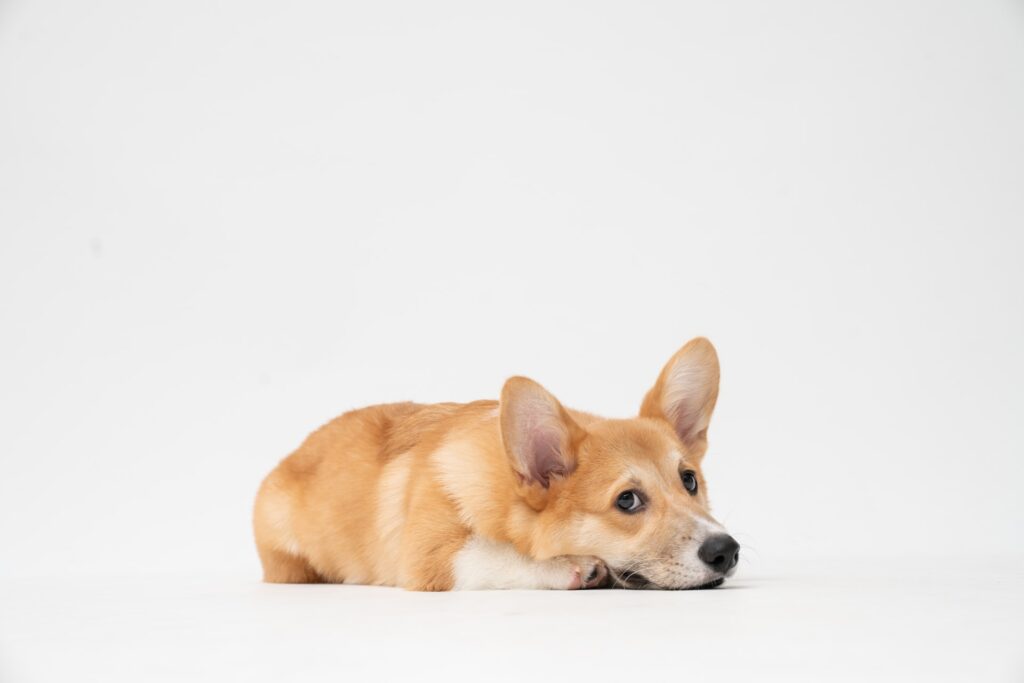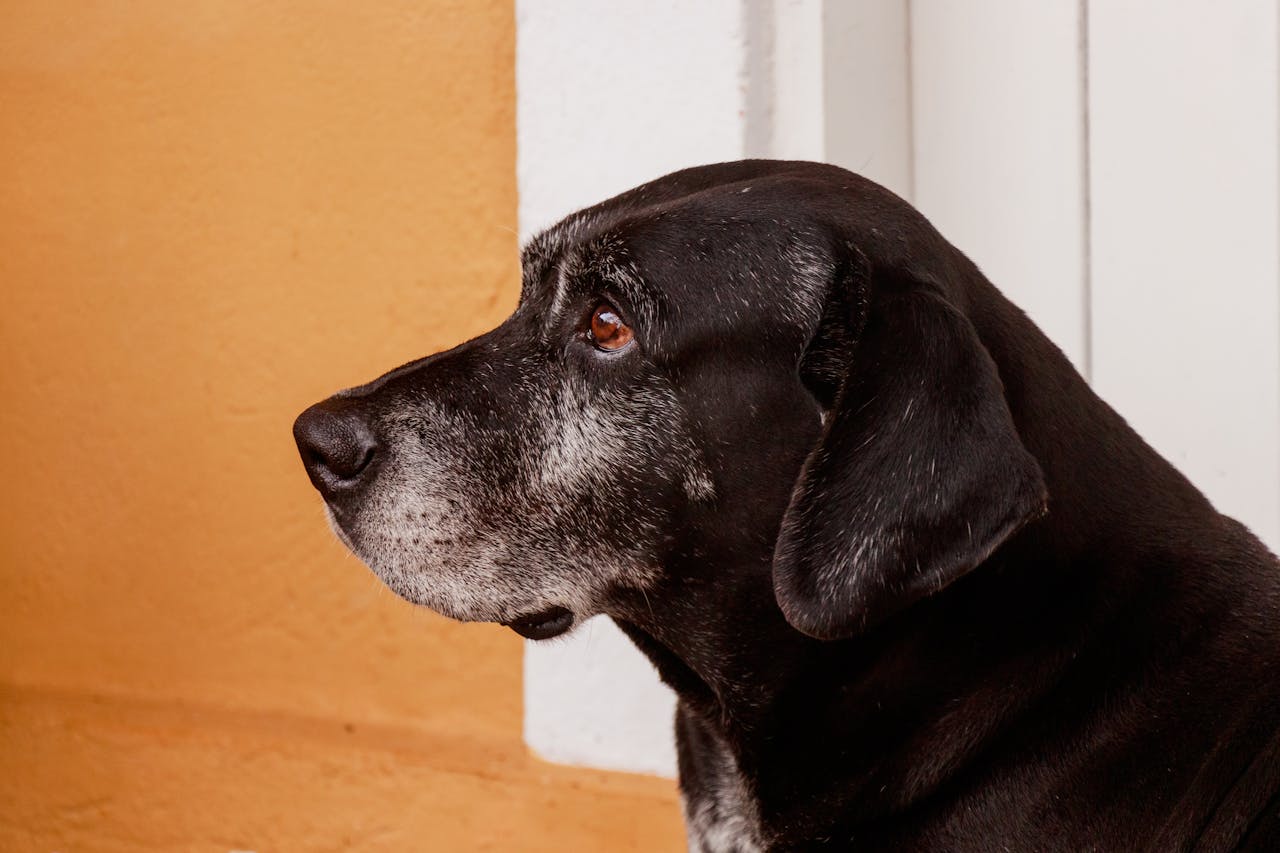
Like humans, dogs age, and as caring owners, we need to provide them with the appropriate care and support during this period of their lives. Senior dogs require special attention to ensure they remain comfortable, healthy and optimistic. In this article, we will explore the key aspects of caring for older dogs and share valuable insights on maintaining their physical and emotional well-being. We will discuss the changes that occur in the health and behaviour of older dogs, and the precautions that can be taken to improve their quality of life. We will also explore the importance of regular vet visits and adjusting their diet and level of physical activity to keep your pet healthy and vital in their golden years.
Physical changes in older dogs
These changes are an integral part of ageing for dogs. Understanding these changes enables owners to provide better care for their pets and ensure they enjoy a comfortable old age. One of the most obvious signs of ageing is a decrease in activity and energy levels. Older dogs often prefer to rest more and may tire quickly during physical activity.
Another common physical change in older dogs is a decrease in muscle mass and strength. This can result in a loss of stability and coordination, making dogs more susceptible to injury and falls.
Deterioration of vision and hearing is also common in older dogs. They may have difficulty orienting themselves in their surroundings and responding to auditory cues. Dental and oral problems can also arise in old age, including tartar, tooth decay and toothache, which makes eating less appealing to dogs and can lead to general discomfort.
Older dogs require more attentive medical care, including regular visits to the vet for preventive check-ups and treatment of chronic conditions. They may also need additional medication and a special diet to maintain optimal health.
All of these physical changes make it important to provide proper care and support for older dogs. Regular visits to the vet, proper nutrition, moderate physical activity, and dental care are key aspects of care that will help dogs maintain their quality of life throughout their golden years.
Nutrition and diet
A balanced diet is essential for maintaining the health and well-being of older dogs throughout their senior years. As they age, their nutritional and energy needs change, requiring special attention from their owners. One of the main things to consider when planning a diet for an older dog is that they are less active and have a slower metabolic rate. Older dogs tend to become less active, meaning they require fewer calories and energy. Overfeeding can lead to obesity and related health problems, so it is important to monitor your dog’s diet and only provide the necessary amount of food.
When putting together a diet for an older dog, it is also important to pay attention to protein and fat content. Protein plays a key role in maintaining muscle mass and providing essential nutrients. However, ageing kidneys may have trouble processing large amounts of protein, so the diet should be balanced and moderate. Fats are also important for maintaining healthy skin and coat, but their levels should be controlled to avoid weight gain.
Dietary fibre is another important component of an older dog’s diet. It helps maintain digestive health by preventing constipation and other stomach problems. Additional vitamins and minerals can also be beneficial for older dogs to support bone, joint, heart and organ health.
Regular water intake plays an important role in the health of an older dog. Drinking enough water helps maintain kidney health and prevent dehydration, which is especially important in old age.
When planning a diet for an older dog, it is important to seek advice from a vet or animal nutritionist. By taking into account your pet’s individual needs and health, you can create an optimal diet that will help them stay healthy and active throughout their old age.
Dental and Oral Care
Dental and oral care is an important aspect of pet care for older dogs and plays a key role in maintaining their health and well-being throughout their senior years. Just like humans, dogs develop various dental and gum problems as they age that can cause discomfort and pain, as well as lead to serious diseases.
Caring for an older dog’s teeth and oral cavity is important because irregular care can lead to plaque, tartar, periodontitis, and other oral diseases. These issues can result in pain, digestive problems and infections and diseases in other organs, such as the heart and kidneys.
Basic recommendations for caring for an older dog’s teeth and gums include regular brushing with a dog-specific toothbrush and toothpaste. Brushing your dog’s teeth at least twice a week is recommended to prevent plaque and tartar build-up.
In addition to regular brushing, it is also important to pay attention to your older dog’s diet. Proper nutrition promotes dental and oral health. Dry food and special dietary foods can help to prevent plaque and tartar build-up, as well as supporting gum health.
Providing meat bones is also an effective way to care for an older dog’s teeth. They help to naturally clean teeth and massage gums, promoting oral health. However, care must be taken when selecting bones; they should not be too hard or small to avoid the risk of choking or injury.
Regular visits to the vet are also necessary to maintain an older dog’s dental health. The vet will clean the dog’s teeth professionally and examine its mouth for any problems. This allows for the early detection of diseases and helps to prevent them from developing.
Caring for your older dog’s teeth and mouth is an important part of their overall care. Regular cleaning, proper nutrition and providing meat bones, as well as regular vet visits, will help to maintain your dog’s dental health and prevent oral diseases.
Physical activity and exercise
It plays a huge role in maintaining the health of older dogs and is just as important for them as it is for younger pets. While your older dog may no longer be able to run and jump around as much as before, regular exercise remains an important part of their care.
Walking is one of the most accessible and effective ways to keep an older dog active. Even short, slow walks can help to maintain flexibility and strengthen muscles. It is important to consider your dog’s individual needs and limitations, reducing the duration or intensity of walks according to their physical condition.
Light games can also be incorporated into your older dog’s routine. These can include ball games, Frisbee or various toys. It is important to choose games that do not cause too much strain or jeopardise your dog’s health.
Swimming is another great way to keep your older dog active. The water softens the impact on joints, making this particularly beneficial for dogs with joint problems or limited mobility. However, remember to ensure your dog’s safety while swimming.
Slow walks up and down stairs can also be incorporated into an older dog’s exercise routine to strengthen muscles and maintain flexibility. It is important to ensure that your dog does not become too tired or uncomfortable during these walks.
It is always important to remember that physical activity should be tailored to the individual needs and limitations of your older dog. Be sure to consult your vet for advice on choosing appropriate types of physical activity and establishing an optimal exercise routine for your pet. Physical activity will help your older dog stay healthy and energetic, and prolong their active and joyful life.
Regular veterinary check-ups and medical care
Regular veterinary check-ups and medical care play an important role in maintaining your pet’s health and well-being throughout its life. This is an integral part of pet care, helping to identify and prevent various diseases, as well as ensuring proper treatment when necessary.
Visits to the vet should be a regular practice for every pet owner. The frequency of check-ups may vary depending on the age, health and characteristics of the individual animal, but in general, it is recommended to visit the vet at least once or twice a year.
During the visit, the vet examines the pet, assesses its overall health, checks for any changes in behaviour or physical condition, and discusses any concerns or questions with the owner. This allows potential problems to be identified at an early stage and measures to be taken to resolve them.
One important aspect of veterinary care is vaccination. Vaccination helps protect your pet from various infectious diseases and contributes to the development of immunity. Regularly updating vaccinations in accordance with your vet’s recommendations will help maintain protection against disease.
In addition, veterinary care includes preventive measures such as flea and tick treatment, weight control and diet, dental hygiene, and ear and eye care. These procedures help prevent the development of various problems and maintain your pet’s overall health and well-being.
In addition, if any illnesses or health problems arise, the vet will provide the necessary treatment and recommendations for caring for your pet. It is important to follow the vet’s instructions and seek help if there are any changes in your pet’s health.
Overall, regular veterinary examinations and medical care are important aspects of pet care. They help maintain your pet’s health and well-being, prevent the development of diseases, and ensure a long and happy life for your faithful friend.
Managing chronic conditions
It is important to manage chronic conditions in pets as part of caring for their health and well-being. These conditions can include a wide range of ailments, such as diabetes, arthritis, allergies and heart failure. While dealing with these conditions can be challenging, with the right approach and care, your pet can continue to enjoy an active and fulfilling life.
One key aspect of managing chronic conditions is regular visits to the vet. Your vet can help you to understand your pet’s condition, develop a treatment plan and provide necessary medical care. Regular check-ups also allow for the early detection of any changes in your pet’s health, enabling you to address them promptly.
Following all of your vet’s recommendations for treating and caring for your pet is another important part of managing chronic diseases. This may include taking prescribed medication, following a diet plan, carrying out care procedures and adhering to recommendations regarding physical activity and daily routines.
Maintaining a healthy weight and lifestyle is also important. Obesity can exacerbate chronic diseases and increase the risk of complications. Your pet’s diet should be tailored to their specific condition, age, weight and activity level.
Physical activity also plays a key role in managing chronic diseases. It helps to maintain muscle strength, flexibility, and overall health in pets. However, it is important to choose activities that are appropriate for your pet’s health and limitations.
Providing comfortable living conditions is also an important part of managing chronic diseases. This includes providing warmth and comfort, as well as access to fresh water and high-quality food. It is also important to provide your pet with enough space to rest and relax.
You should monitor your pet’s health regularly and pay attention to any changes or deterioration. This will enable you to respond to emerging problems promptly and adjust therapy if necessary.
Overall, managing chronic diseases requires careful planning, close monitoring and collaboration with your vet. By following their recommendations and providing your pet with proper care, you can help them to live a full and happy life despite their health condition.
Support in the final days
The end of a pet’s life is one of the most difficult moments for any owner. However, it is important to remember that we can make these last days more comfortable and peaceful for our pet with our care and love.
At the beginning of this journey, it is important to understand your pet’s health. Regular consultations with your vet will help you to assess your pet’s condition and determine how close they are to the end of their life. They will also be able to provide information about the various treatment and care options that may be available.
The most important thing is to make decisions in your pet’s best interests. Sometimes, this can be difficult, especially when it comes to euthanasia. However, in some cases, it may be the best option to prevent unnecessary suffering and ensure a peaceful passing.
Support and care are important in your pet’s final days. Provide them with a soft, cosy place to rest and pay more attention to their comfort and well-being. Regular walks, affection and communication can also help your pet to feel more confident and calm.
Don’t neglect your own needs during this difficult time. Support from loved ones, talking to other pet owners and seeking professional help if necessary can help you get through this difficult period.
Ultimately, it is important to remember that you have done everything possible for your pet. Your care and love will remain with them forever, and that is what matters most.
In conclusion, caring for older dogs requires special attention and care from their owners. Understanding the specifics of care and health support in old age will help ensure your four-legged friend’s comfort and quality of life throughout their golden years. Regular visits to the vet, a balanced diet, physical activity, and attentive attitude to changes in your pet’s health all play a key role in maintaining their well-being. Remember that your love and care are of great importance to your pet, and your willingness to give them attention in their old age makes you a true friend and companion throughout their life.






Актуальні тенденції у світі домашніх улюбленців 2025.
⚠️ We suggest that you read all the opinions on our portal and take note of them at your own discretion. Do not self-medicate! In our articles we collect the latest scientific data and opinions of authoritative experts in the field of health care. But remember: only a doctor can diagnose and treat.
The portal is intended for users over 13 years old. Some materials may not be suitable for children under the age of 16. We do not collect personal data from children under 13 without parental consent.We have a small request. We strive to create quality content about pet care, and we make it available for free to everyone because we believe everyone deserves accurate and useful information.
Advertising revenue only covers a small portion of our costs, and we want to continue to provide content without having to increase advertising. If you have found our content useful, please support us. It only takes a minute, but your support will help us reduce our reliance on advertising and create even more useful articles. Thank you!