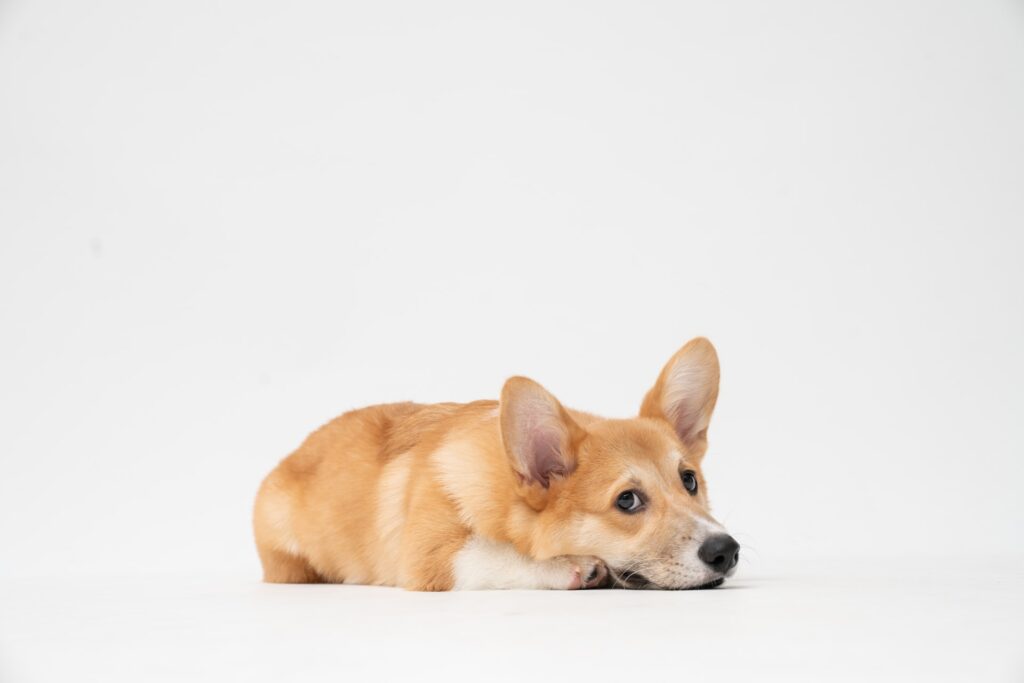
A common concern among pet owners is observing disruptive or destructive behavior in their dogs when left alone. These behaviors encompass urinating, defecating, excessive barking, howling, chewing, digging, or attempting to escape. While these actions often signal a need for teaching good household behavior, they can also indicate distress. When a dog showcases these issues alongside other signs of anxiety, like drooling and anxious behavior before their owner’s departure, it’s not simply about lack of training or toy confusion. It’s a sign of separation anxiety—a condition triggered when dogs feel distressed due to separation from their beloved caregivers.
Dogs experiencing separation anxiety may go to extreme lengths to escape, leading to self-injury and havoc around exit points like doors and windows. Some show agitation as their owners get ready to leave, while others display anxiety or sadness in the absence of their owners. Some even try to prevent their owners from departing. Shortly after their guardian leaves, dogs with separation anxiety often start barking and showing distress within minutes. Their reaction upon their guardian’s return might seem as though they’ve been apart for an eternity.
Addressing separation anxiety in dogs involves alleviating their underlying fears by teaching them to tolerate being alone. The focus lies in creating an environment where the dog faces the trigger—being alone—without experiencing fear or anxiety.
Recognizing Separation Anxiety: Common Signs and Behaviors
Identifying separation anxiety in dogs involves observing the following symptoms:
Elimination Issues
Some dogs might urinate or defecate when left alone, but if they do so in the presence of their guardian, it’s less likely to be linked to separation anxiety.
Excessive Vocalization
Dogs experiencing separation anxiety often bark or howl persistently when left alone, with no apparent trigger other than being separated from their owner.
Destructive Behavior
Chewing on objects, doorframes, window sills, or causing damage to household items are common signs. These behaviors might lead to self-injury, but usually don’t occur in the presence of the guardian.
Escape Attempts
Dogs with separation anxiety may try to escape confinement, often attempting to chew or dig through doors or windows. These actions might result in self-harm and typically don’t happen when the guardian is around.
Restless Pacing
Some dogs display repetitive walking or trotting patterns when left alone, moving in circular paths or back-and-forth lines. This behavior tends not to occur in the presence of the owner if caused by separation anxiety.
Coprophagia
Certain dogs, when alone or separated, may defecate and consume their waste. If this behavior is linked to separation anxiety, it’s unlikely to happen in the presence of the owner.
Understanding the Origins of Canine Separation Anxiety
While there isn’t concrete evidence pinpointing the exact cause of dogs developing separation anxiety, certain scenarios are linked to its emergence. Notably, dogs adopted from shelters tend to exhibit this behavior more than those raised by a single family since puppyhood. It’s believed that significant changes in a dog’s life contribute to separation anxiety. Here are situations associated with its development:
Shift in Guardianship or Family
Events like being abandoned, surrendered to a shelter, or transitioning to a new guardian or family can trigger separation anxiety in dogs.
Alteration in Routine
Abrupt changes in a dog’s alone time, such as a shift from constant company to prolonged periods of solitude due to a change in the guardian’s work schedule, might lead to separation anxiety.
Relocation to a New Home
Moving to a different residence can also be a trigger for the onset of separation anxiety in dogs.
Changes in Household Composition
The sudden absence of a family member, whether due to relocation or passing away, can significantly impact a dog and trigger the development of separation anxiety.
Potential Medical Concerns to Address Initially
In some cases, house soiling in dogs can be attributed to incontinence—a medical condition where a dog involuntarily leaks or empties their bladder. Dogs experiencing incontinence often seem unaware of their soiling and might even urinate while asleep. Various medical conditions, such as urinary tract infections, age-related weak sphincters, post-spay hormonal issues, bladder stones, diabetes, kidney disease, Cushing’s disease, neurological problems, and genital abnormalities, can lead to urinary incontinence in dogs. It’s crucial to consult your dog’s veterinarian to rule out these medical issues before initiating behavior modification for separation anxiety.
Medication Influence
Certain medications might lead to increased urination and house soiling in dogs. If your dog is on any medications, it’s advisable to speak with your veterinarian to determine if these medications could potentially contribute to their house-soiling problems.
Possible Alternative Behavior Issues to Consider
Identifying separation anxiety in dogs can be challenging as similar symptoms may arise from other behavior problems. Before concluding that your dog has separation anxiety, it’s crucial to explore and rule out these potential behavior problems:
Submissive or Excitement Urination
Certain dogs may involuntarily urinate during greetings, play, physical contact, or when reprimanded. These dogs often exhibit submissive postures, such as keeping their tail low, flattening ears against the head, crouching, or exposing their belly.
Incomplete House Training
A dog occasionally urinating indoors might not be fully house trained. Inconsistent training or punishments causing fear of elimination while the owner is present can lead to this behavior.
Urine Marking
Some dogs urinate indoors as a form of scent marking, typically on vertical surfaces. Most male dogs and some females raise a leg to mark their territory.
Juvenile Destructive Behavior
Many young dogs engage in destructive chewing or digging, whether the guardians are home or away. Explore articles on Destructive Chewing for further insights into these behaviors.
Boredom
Dogs require mental stimulation, and some may exhibit disruptive behavior when left alone out of boredom, rather than anxiety. These dogs usually don’t display signs of anxiety.
Excessive Barking or Howling
Some dogs bark or howl due to various environmental triggers, such as unfamiliar sights or sounds. This behavior can occur when the guardians are home or away. Refer to our articles on Barking and Howling for more detailed information on this behavior.
Addressing Mild Separation Anxiety in Your Dog
For mild cases of separation anxiety in dogs, counterconditioning can be an effective method to alleviate or resolve the issue. Counterconditioning involves changing an animal’s fearful, anxious, or aggressive response to a relaxed, pleasant one instead. This is achieved by associating a feared or disliked person, animal, place, object, or situation with something enjoyable or rewarding for the dog. Over time, the dog learns to associate the previously feared elements with positive experiences.
In the case of separation anxiety, counterconditioning focuses on linking being alone with positive stimuli, such as enticing food. When leaving the house, offer your dog a puzzle toy filled with food that will occupy them for 20 to 30 minutes. For instance, try stuffing a KONG® with low-fat cream cheese, spray cheese, peanut butter, frozen banana with cottage cheese, or a mixture of canned dog food and kibble. Freezing the toy can prolong the time it takes for your dog to access the treats. Ensure these special toys are only available to your dog when they’re alone, removing them upon your return. You can also consider feeding your dog their daily meals using these special toys, offering breakfast and treats before leaving for work.
However, it’s important to note that this approach is effective for mild cases, as highly anxious dogs may not eat when left alone by their guardians.
Addressing Moderate to Severe Separation Anxiety
In instances of moderate to severe separation anxiety, a more intricate desensitization and counterconditioning regimen is necessary. The primary goal is to gradually acclimate the dog to being alone. This is achieved by initiating numerous brief separations that do not trigger anxiety and gradually extending the duration of these separations over several weeks of consistent daily sessions.
Outlined below are brief steps of a desensitization and counterconditioning program. However, it’s important to note that this is a general overview:
- Initiate brief, anxiety-free separations.
- Gradually extend separation duration over weeks of daily sessions.
Desensitization and counterconditioning demand a nuanced approach to avoid instilling fear, which can lead to worsening the dog’s anxiety. The progression of treatment hinges on the pet’s responses, which can be challenging to interpret. As such, seeking guidance from a trained and experienced professional is essential. Certified Applied Animal Behaviorists (CAAB or ACAAB) or board-certified veterinary behaviorists (Dip ACVB) are experts qualified to design and oversee these programs. If these specialists are unavailable, Certified Professional Dog Trainers (CPDT) may offer assistance, but ensure they possess specific expertise in fear treatment with desensitization and counterconditioning. Verify their education and experience before engaging their services. Our article, “Finding Professional Behavior Help”, provides guidance in locating these experts in your vicinity.
Step One: Modifying Predeparture Cues
Some dogs become anxious as their guardians prepare to leave. These pets might exhibit signs like pacing, panting, and whining upon observing familiar predeparture actions, such as applying makeup, putting on shoes and a coat, and grabbing keys or a bag. (If your dog doesn’t display anxiety during your departure preparations, you can proceed directly to step two below.) For these dogs, the mere sight of these actions triggers extreme anxiety, making it challenging for guardians to depart without causing distress. The dog might forget that the separation is temporary and that the guardian will return.
One way to address this “predeparture anxiety” is by teaching the dog that these cues don’t always mean immediate departure. You can achieve this by repeatedly exposing your dog to these cues throughout the day in different sequences—without actually leaving. For instance, wear your coat and boots and then engage in activities like watching TV instead of departing, or pick up your keys and then spend time at the kitchen table. This helps diminish your dog’s anxiety as these cues no longer consistently lead to your absence. However, it’s important to note that your dog has learned the significance of these cues over many years, so to alter their perception, consistent exposure to these fake cues multiple times daily for several weeks is necessary. Once your dog becomes less anxious during these preparation cues, you can proceed to the next step outlined below.
Step Two: Gradual Departures and Absences
If your dog seems less anxious before your departure, you may skip the predeparture treatment and proceed with short absences. Begin by teaching your dog out-of-sight stays near an inside door, such as the bathroom. Encourage your dog to sit or lie down and stay as you move to the opposite side of the bathroom door. Increase the time gradually while continuing to practice out-of-sight stays and introducing predeparture cues, like picking up your coat or purse while your dog remains in the stay position.
Gradually progress these exercises to a bedroom door and then to an exit door, starting with a less frequently used door if applicable. By this stage, your dog should exhibit reduced anxiety due to the familiar “stay game.”
Now, incorporate very brief absences into your training, starting with one- to two-second departures and gradually extending the duration out of your dog’s sight. Prior to leaving, provide your dog with a food-stuffed toy to associate the departure with a positive experience.
Between absences, allow a few minutes for your dog to relax completely. Rushing to depart while your dog is still excited from the previous return can escalate arousal, making it harder for your dog to cope with subsequent separations.
Maintain a calm and subdued demeanor when leaving and returning to minimize the contrast between your presence and absence.
Carefully observe your dog’s response to determine when to increase separation duration. Signs of stress such as dilated pupils, panting, yawning, salivating, trembling, pacing, or overly excited greetings indicate the need to reduce the duration of departures to a level where your dog can relax before progressing further.
The goal is to gradually build up to 40-minute absences, as most anxiety responses occur within this time frame. Increase the duration of separations by a few seconds per session, or every few sessions, based on your dog’s comfort level at each stage. Once your dog can handle 40 minutes alone, increase absences in larger increments (initially 5 minutes, then later 15 minutes). When your dog can manage 90 minutes without distress, they can likely handle longer periods (start with 4 hours, then gradually work up to 8 hours over a few days).
For effective progress, conduct several sessions on weekends and twice-daily sessions during the work week, ideally before leaving for work and in the evenings. This structured approach can yield results within a few weeks with consistent and frequent training sessions.
An Essential Element in Treating Separation Anxiety
In the process of desensitizing a dog to fear or anxiety triggers, it’s crucial to ensure they never encounter the overwhelming intensity of what causes their distress. The goal is to expose them only to low-intensity versions of these triggers to help them learn to remain calm and comfortable in these situations. Consequently, during separation anxiety treatment, your dog should not be left alone outside of desensitization sessions. Fortunately, several alternatives can be considered:
- If feasible, bring your dog along to your workplace.
- Arrange for a family member, friend, or dog sitter to stay with your dog at home in your absence. Most dogs coping with separation anxiety fare well when accompanied by someone.
- Consider options like a sitter’s home or a reputable doggy daycare.
- Some dogs manage separation anxiety when left in a car. However, this should only be attempted in moderate weather conditions. Warning: Dogs can suffer heatstroke and even death if left in cars during warm temperatures (70 degrees Fahrenheit and higher), even for a short duration. Do not leave your dog in a car unless you’re certain it won’t heat up.
In conjunction with graduated absence exercises, keep all greetings (both hellos and goodbyes) calm. Before leaving, offer a brief pat on your dog’s head, say goodbye, and depart. Similarly, upon returning home, greet your dog briefly and then withhold attention until they become calm and relaxed. The time needed for your dog to relax post-return varies based on their anxiety level and individual temperament. To diminish excitement upon your arrival, engaging your dog in familiar behaviors like sit, down, or shake may help redirect their attention.
To Crate or Not to Crate?
Crate training may benefit certain dogs if they perceive the crate as a secure space when left alone. However, for other dogs, the crate might induce additional stress and anxiety. To assess whether using a crate is suitable for your dog, observe their behavior during crate training and while inside the crate when you’re at home. Signs of distress like heavy panting, excessive drooling, frantic attempts to escape, or persistent howling and barking suggest that crate confinement might not be suitable. Instead, consider confining your dog to a single room secured with a baby gate as an alternative.
Offering a Range of Activities for Your Dog
Ensuring ample physical and mental engagement is key in addressing many behavior concerns, particularly those linked to anxiety. Stimulating your dog’s body and mind significantly enriches their life, reduces stress, and channels normal canine behaviors appropriately. Moreover, a dog that’s mentally and physically exercised tends to have less surplus energy when left alone. Consider the following to keep your dog occupied and content:
- Engage your dog in at least 30 minutes of aerobic activities daily, such as running or swimming, ideally before leaving them alone. This may aid in relaxation during your absence.
- Play interactive games like fetch and tug-of-war for mental stimulation.
- Take daily walks exploring varied routes and new locations for novel smells and sights.
- If your dog enjoys it, allow off-leash playtime with other dogs.
- Introduce food puzzle toys or stuff them with peanut butter, cheese, or yogurt for mental engagement. Offer diverse chew items, both edible and non-edible, which promote calming behaviors like chewing and licking.
- Transform mealtime into a “hunt” by scattering small piles of kibble around your home or yard—an enjoyable game for most dogs.
- Join reward-based training classes to boost mental activity and strengthen the bond between you and your dog. Certified Professional Dog Trainers can offer group or private sessions, equipping both you and your dog with valuable skills and games to practice. Training sessions before leaving your dog alone can help tire them mentally. Find a CPDT in your area through our article, “Finding Professional Behavior Help”.
- Explore dog sports like agility, freestyle, or flyball for additional mental and physical stimulation.
These activities not only keep your dog engaged but also contribute to their overall well-being and happiness.
Consider Medication Options Carefully
Prioritize discussions with your veterinarian or a veterinary behaviorist before administering any medication to address behavioral issues in your dog.
Medication can be immensely beneficial, particularly in severe cases of separation anxiety. For dogs overwhelmed by separation, medication might be essential to facilitate treatment. Anti-anxiety medication can assist a dog in tolerating isolation to some extent without experiencing intense anxiety, potentially expediting treatment progress.
Occasionally, mild separation anxiety might respond to drug therapy alone, aiding the dog in acclimating to solitude. Gradual withdrawal from the medication can help reinforce this new behavioral conditioning. However, most dogs benefit from a combination of medication and behavior modification.
If considering medication, consult your veterinarian, a veterinary behaviorist, or a Certified Applied Animal Behaviorist working closely with your vet. For guidance in finding these professionals, refer to our article, “Finding Professional Behavior Help”, to locate qualified individuals in your vicinity.
What to Avoid
Avoid scolding or punishing your dog for anxious behaviors. Remember, these behaviors stem from distress, not disobedience or spite. Your dog displays anxiety when left alone due to stress and attempts to cope. Punishment can exacerbate distress, potentially worsening the problem.
In lieu of a conclusion
In addressing separation anxiety in dogs, understanding the symptoms, potential causes, and appropriate management strategies is crucial. Identifying distress behaviors, ruling out medical issues, and differentiating separation anxiety from other behavioral concerns lay the groundwork for effective treatment.
From desensitization techniques to gradual absences, the process demands patience and a tailored approach. Seeking professional guidance, especially for moderate to severe cases, is key. Moreover, offering ample mental and physical stimulation, considering medication under professional supervision, and avoiding punitive measures are fundamental in aiding a dog’s recovery.
Ultimately, managing separation anxiety involves a comprehensive approach that combines behavioral modification, environmental adjustments, and compassionate care. By acknowledging the distress behind the behaviors and employing targeted strategies, pet parents can significantly improve their dog’s well-being, fostering a stronger, more resilient bond between canine companions and their families.
Signs include excessive barking, destructive behavior, urination or defecation indoors, pacing, and attempts to escape when left alone.
Unlike disobedience, separation anxiety behaviors occur specifically when the dog is alone and are linked to distress rather than deliberate actions.
Changes in routine, rehoming, loss of an important person, or sudden shifts in the dog’s environment can trigger separation anxiety.
Gradual desensitization, counterconditioning, providing mental and physical stimulation, and seeking professional guidance are effective strategies.
Medication might be considered for severe cases or when behavior modification alone isn’t sufficient. It’s crucial to consult a veterinarian or veterinary behaviorist before administering any medication.
No, punishment can worsen the problem by adding to the dog’s distress. It’s essential to address separation anxiety with patience, understanding, and positive reinforcement.
Desensitization involves gradually exposing the dog to situations that trigger anxiety, allowing them to acclimate to being alone without experiencing overwhelming fear.
Engaging dogs in mental stimulation like food puzzle toys, daily walks, interactive games, training classes, and dog sports can channel their energy positively.
Crating might work for some dogs but can cause added stress in others. Monitoring the dog’s behavior during crate training can help determine if it’s a suitable option.
Seeking guidance from a Certified Professional Dog Trainer, a veterinary behaviorist, or a Certified Applied Animal Behaviorist is crucial, especially for severe cases, to tailor a proper treatment plan for the individual dog.
Тема 2026: комфорт і турбота про улюбленців.









⚠️ We suggest that you read all the opinions on our portal and take note of them at your own discretion. Do not self-medicate! In our articles we collect the latest scientific data and opinions of authoritative experts in the field of health care. But remember: only a doctor can diagnose and treat.
The portal is intended for users over 13 years old. Some materials may not be suitable for children under the age of 16. We do not collect personal data from children under 13 without parental consent.We have a small request. We strive to create quality content about pet care, and we make it available for free to everyone because we believe everyone deserves accurate and useful information.
Advertising revenue only covers a small portion of our costs, and we want to continue to provide content without having to increase advertising. If you have found our content useful, please support us. It only takes a minute, but your support will help us reduce our reliance on advertising and create even more useful articles. Thank you!