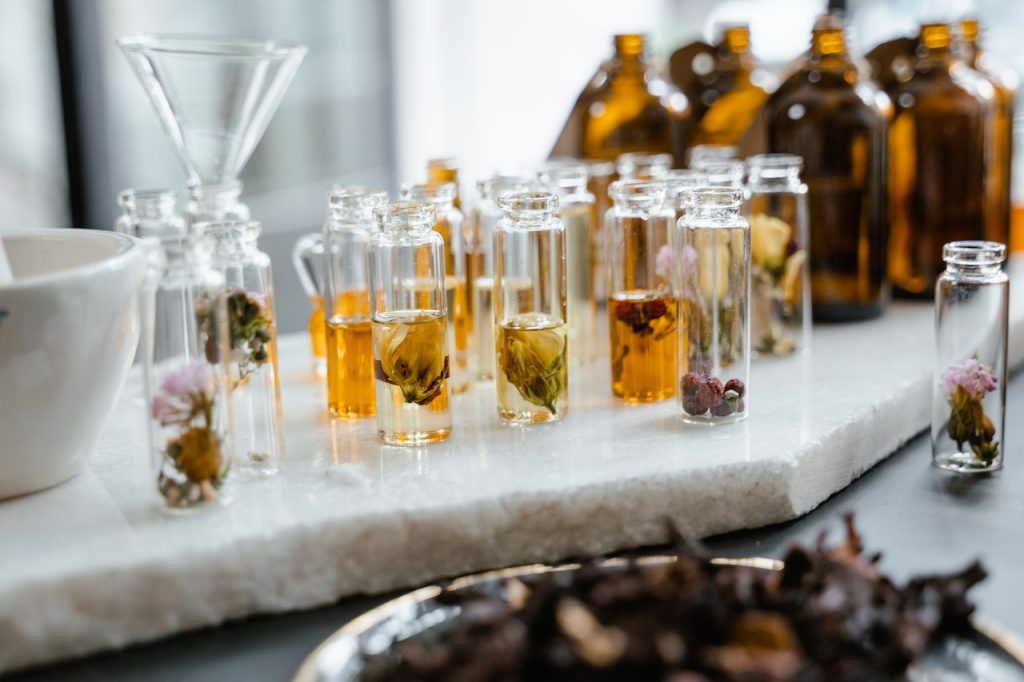
Our beloved pets, especially dogs and cats, hold a special place in our hearts, providing us with boundless joy and emotional support. Yet, just like humans, they too can experience emotional and behavioral challenges, such as anxiety, depression, and stress. As pet owners increasingly seek holistic approaches to ensure their pets’ well-being, flower remedies have emerged as a natural but controversial treatment option. In this article, we embark on an in-depth examination of flower remedies for pets, delving into their historical origins, diverse types, and the current status of scientific research concerning their effectiveness.
The Intersection of Science and Pseudoscience in Flower Remedies
Flower remedies, often referred to as florals, are concoctions derived from medicinal plants and flowers. Frequently categorized as homeopathic treatments, these remedies are prepared through processes like the distillation of essential oils or the creation of solutions using brandy, alcohol, or water. These solutions encompass various components of plants, including leaves, flowers, and roots. Although primarily intended for oral consumption, they can also find utility in topical applications or even as essential oils for aromatherapy.
It’s imperative to underscore that flower remedies are widely regarded as pseudoscientific treatments. Despite their increasing popularity, the scientific community has yet to produce conclusive evidence supporting their efficacy in addressing health or emotional concerns. Consequently, they should not be employed as a substitute for conventional medical interventions.
The Historical Genesis of Flower Remedies: A Focused Examination
The concept of flower remedies traces its roots back to Dr. Edward Bach, a British physician who emerged as a trailblazer in 1930. Frustrated with the symptom-centric approach of conventional medicine, Dr. Bach sought alternative therapies designed to tackle emotional and spiritual imbalances. Distinct from the rigorous scientific protocols underpinning mainstream medicine, Dr. Bach’s methodology relied heavily on intuition and psychic connections with plants. These ethereal connections guided him in selecting specific flora for his remedies.
Dr. Bach formulated 38 unique flower essences using two principal techniques: the sun method and the boiling method. In the former, flower heads were gently placed in spring water and exposed to the nurturing embrace of sunlight. In the latter, flowers were gently simmered in water. The resultant water, believed to capture the ‘energy imprint’ of the flowers, was then skillfully blended with brandy to yield the final remedy.
While Dr. Bach’s flower remedies have enjoyed popularity, it’s essential to recognize that they were crafted based on personal convictions rather than empirical scientific foundations. Consequently, they remain a subject of ongoing debate within the scientific community.
Do Flower Remedies Have an Impact on Pets?
The utilization of flower remedies in human healthcare has been steadily increasing, and this trend extends to pet owners as well. Many believe that these remedies hold the potential to mitigate behavioral and emotional challenges in pets, particularly issues like anxiety. Nevertheless, it’s crucial to emphasize that there exists no scientific substantiation for these assertions.
Before considering the application of flower remedies to your pets, it’s advisable to consult a veterinarian to rule out any underlying health conditions that may be contributing to the observed symptoms. Furthermore, strict adherence to the dosage and usage instructions outlined on the product label is of utmost importance. Keep a watchful eye on your pet for any alterations in behavior or symptoms, and promptly consult your veterinarian should any adverse effects manifest.
The Process of Administering Flower Remedies to Pets
Administering flower remedies to pets involves a structured approach to ensure both safety and efficacy. Typically available in dropper bottles, these remedies contain a diluted essence derived from chosen flowers. There are two primary methods for administering these essences to your pet: direct oral application and water dilution.
- Direct Oral Application: In this approach, you utilize the dropper to dispense a few drops of the remedy directly into your pet’s mouth. It’s imperative to prevent any contact between the dropper and surfaces, including your pet’s mouth, to maintain sterility.
- Water Dilution: Alternatively, you can introduce a few drops of the flower essence into your pet’s daily water intake. This method proves particularly useful for pets that may resist direct oral application.
- Guidelines for Dosage: Dosage recommendations often fluctuate depending on the specific remedy and the size of your pet. While general dosage instructions are commonly available on the product label, for a more customized approach, it is advisable to consult a homeopathic veterinarian. They possess the expertise to furnish personalized dosage recommendations tailored to your pet’s unique requirements and conditions.
- Continuous Monitoring: Following administration, diligently observe your pet for any alterations in behavior or symptoms. Should you detect any adverse reactions or a deterioration in symptoms, discontinue the use of the remedy and promptly seek veterinary guidance.
By adhering to these comprehensive guidelines, you can safely and effectively administer flower remedies to your pets, promoting their overall well-being.
Indications for Employing Flower Remedies in Pets
Flower remedies are frequently applied to address an array of behavioral and emotional challenges in pets. To provide a clearer understanding, here are the principal indications elaborated upon:
- Adaptation: Flower remedies can facilitate smoother transitions when pets are introduced to new environments. This proves especially beneficial for cats, known for their territorial nature, who may encounter difficulties adjusting to environmental changes.
- Aggressiveness: For pets exhibiting aggressive behavior towards other animals or humans, flower remedies can function as a non-invasive complementary treatment. Nevertheless, it is imperative to recognize that they should not replace essential components like behavioral training or professional veterinary guidance.
- Anxiety: Separation anxiety is a common issue among pets, particularly dogs. Flower remedies can act as a supplementary treatment, working synergistically with other therapeutic approaches like behavioral training to alleviate anxiety symptoms effectively.
- Stress: Pets can experience stress due to various factors such as alterations in routine, exposure to loud noises, or the introduction of new family members. Flower remedies offer a natural means of calming your pet and mitigating stress-related symptoms.
It remains imperative to engage the services of a qualified veterinarian for a comprehensive diagnosis and a tailored treatment plan designed to meet your pet’s specific requirements. Flower remedies should never be considered a replacement for professional veterinary care.
Varieties of Flower Remedies for Pets
Numerous flower remedies are accessible to address distinct emotional and behavioral concerns in pets. Let’s delve deeper into some of the key types:
- Bach Flower Rescue Remedy: A fusion of five different Bach flower essences meticulously crafted to alleviate stress and anxiety. Frequently employed in emergency situations or high-stress scenarios, such as veterinary visits.
- Red Chestnut Flower Essence: Specifically tailored to diminish excessive fear and foster emotional equilibrium. This essence is commonly administered to pets that exhibit hyper-protective behaviors or anxiety linked to their surroundings.
- Aspen Flower Essence: Geared toward alleviating apprehensions concerning unknown or unexplained occurrences. Particularly effective for pets prone to sudden startles or those who experience anxiety in unfamiliar environments.
- Mimulus Flower Essence: Designed to tackle specific fears or traumas, such as fear of loud noises, thunderstorms, or travel-related anxiety. Proves highly beneficial for pets with identifiable stress triggers.
- Star of Bethlehem Flower Essence: Often employed to address emotional shocks or traumas, aiding pets in recovering from distressing events like accidents or the loss of a companion.
Each of these flower remedies serves a distinct purpose and can be utilized individually or in combination, contingent upon your pet’s specific requirements. However, it is of paramount importance to consult a veterinarian for a precise diagnosis and personalized treatment recommendations. Flower remedies should never serve as a substitute for conventional veterinary care.
A Note of Caution
While certain veterinarians and pet owners have reported positive outcomes from the use of flower remedies, it is vital to underscore that these treatments should never replace established veterinary care. They are best considered as supplementary treatments, administered under the supervision and guidance of a qualified veterinary healthcare expert.
In summary, flower remedies offer a natural and non-invasive avenue for addressing emotional and behavioral issues in pets. However, their efficacy remains a topic of ongoing discussion. Always seek the counsel of a competent veterinarian before incorporating these remedies into your pet’s healthcare regimen.
Flower remedies are solutions derived from flowers and plants. They are often used in pets to address behavioral and emotional issues, such as anxiety or aggression.
No, there is currently no conclusive scientific evidence supporting the efficacy of flower remedies in treating emotional or behavioral issues in pets.
Flower remedies should not be considered a replacement for essential components like behavioral training or professional veterinary advice when addressing pet behavioral issues.
Pet owners should consult with a veterinarian for a comprehensive diagnosis and treatment plan tailored to their pet’s specific needs before considering flower remedies.
Flower remedies can be administered orally or diluted in water, depending on the pet’s preference. The dosage varies based on the specific remedy and the pet’s size.
Flower remedies were popularized by Dr. Edward Bach in the 1930s as an alternative approach to addressing emotional and spiritual imbalances in humans and, later, pets.
While flower remedies are generally considered safe, improper use or excessive dosage may result in adverse effects. It’s essential to follow recommended guidelines and consult a veterinarian if concerns arise.
Flower remedies are believed to work by harmonizing and balancing emotional states, potentially reducing symptoms of anxiety and stress in pets.
Some pet owners and veterinarians have reported positive outcomes when using flower remedies, but these experiences are anecdotal and not scientifically proven.
Pet owners should view flower remedies as complementary treatments that can be considered under professional veterinary guidance. They should never replace conventional veterinary care for their pets.
Головні відкриття у догляді за улюбленцями 2026 року.




⚠️ We suggest that you read all the opinions on our portal and take note of them at your own discretion. Do not self-medicate! In our articles we collect the latest scientific data and opinions of authoritative experts in the field of health care. But remember: only a doctor can diagnose and treat.
The portal is intended for users over 13 years old. Some materials may not be suitable for children under the age of 16. We do not collect personal data from children under 13 without parental consent.We have a small request. We strive to create quality content about pet care, and we make it available for free to everyone because we believe everyone deserves accurate and useful information.
Advertising revenue only covers a small portion of our costs, and we want to continue to provide content without having to increase advertising. If you have found our content useful, please support us. It only takes a minute, but your support will help us reduce our reliance on advertising and create even more useful articles. Thank you!