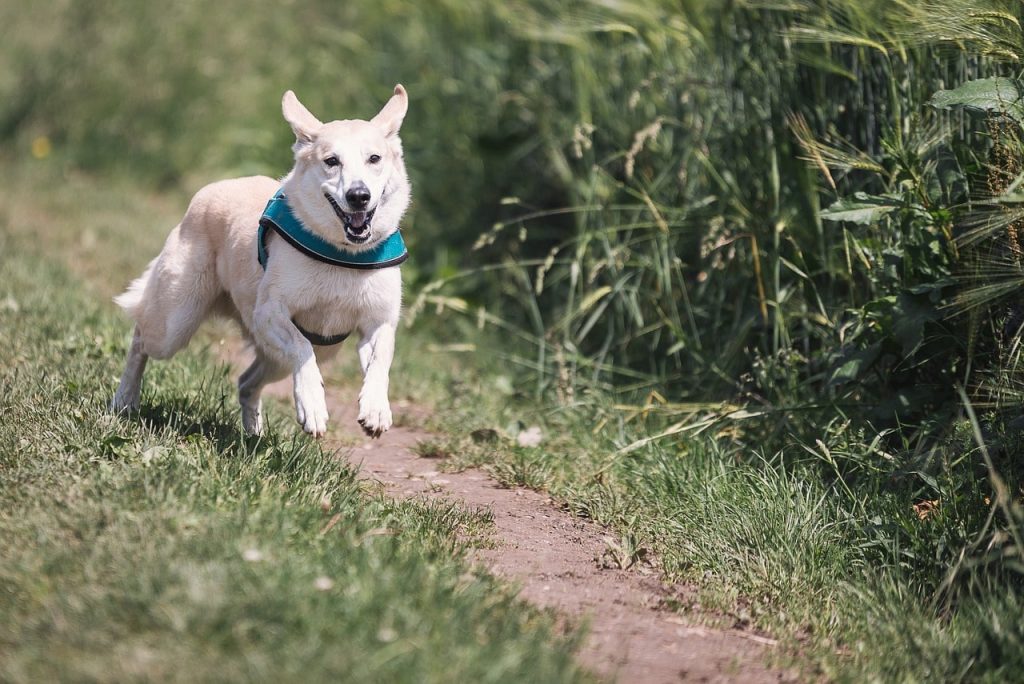
How to engage with such a trainee.
Dogs of different breeds and temperaments exhibit their activity levels differently. Some trainees are naturally more energetic, and their behavior can be explained by their breed characteristics. However, there are overly excitable and active dogs that are difficult to calm down. Their behavior cannot be attributed solely to breed temperament. Such behavior is not normal, and it requires behavior correction and training.
If your trainee’s activity exceeds reasonable limits, it is likely that this behavior is due to an unstable nervous system and a high level of excitability in the dog. Proper handling and regular training sessions are necessary for the care and training of such dogs. This behavior should not be ignored, according to dog trainers.
Discourage hyperactivity.
Training plays a significant role in stabilizing behavior. When a dog is jumping all over the house, constantly seeking attention from the owner, barking, and trying various ways to get attention, it’s important not to encourage such behavior. Avoid petting, feeding, or running after them in the apartment, as it will only reinforce the unwanted behavior. By receiving positive reinforcement in the form of your attention, the dog will continue to repeat these actions again and again.
Come up with an activity that suits your dog.
Any activity that requires significant physical and emotional exertion is suitable for a hyperactive dog. Such a trainee needs to receive substantial physical exercise, as it will significantly reduce their activity levels outside of training sessions.
A calm owner equals a calm dog.
Your dog is a reflection of you. The more tense, nervous, and loud you are towards your trainee, the more unsettled your beloved companion becomes. Almost every dog can easily read human emotions and mimic them. Therefore, before starting training, work on yourself. Reflect on any mistakes you may have made in upbringing and handling your trainee. Afterward, try to work on your own behavior, starting the training calmly and composedly, without charging the already active dog with your energy.
Active supervised walks.
Long, active walks and extended play sessions involving physical activity are a good way to address the situation. However, physical activity for such dogs should not be accompanied by high emotional intensity. The dog should not become overexcited. As soon as you notice that your trainee is becoming overly emotional, calm them down.
Daily routine.
A hyperactive dog requires a clear daily routine. They should understand when they will be fed, when they will be taken for walks and playtime, and when it’s time to rest.
Choose smart toys.
Play is an essential part of any dog’s life. In the case of a hyperactive dog, intelligent toys are suitable. They will engage the dog in independent play, while stimulating their mental activity. Puzzle games or Kong toys, which can be stuffed with their favorite treats, are great options. They provide mental stimulation to the trainee and satisfy their chewing and foraging instincts.
What if nothing helps?
It’s not always possible to handle hyperactive behavior on your own. If you find that the situation is getting out of control, seek help from professionals. It’s important to analyze every aspect of your dog’s life, starting from your own attitude towards the animal and ending with the daily routine, in order to address this issue.
Головні відкриття у догляді за улюбленцями 2026 року.










⚠️ We suggest that you read all the opinions on our portal and take note of them at your own discretion. Do not self-medicate! In our articles we collect the latest scientific data and opinions of authoritative experts in the field of health care. But remember: only a doctor can diagnose and treat.
The portal is intended for users over 13 years old. Some materials may not be suitable for children under the age of 16. We do not collect personal data from children under 13 without parental consent.We have a small request. We strive to create quality content about pet care, and we make it available for free to everyone because we believe everyone deserves accurate and useful information.
Advertising revenue only covers a small portion of our costs, and we want to continue to provide content without having to increase advertising. If you have found our content useful, please support us. It only takes a minute, but your support will help us reduce our reliance on advertising and create even more useful articles. Thank you!