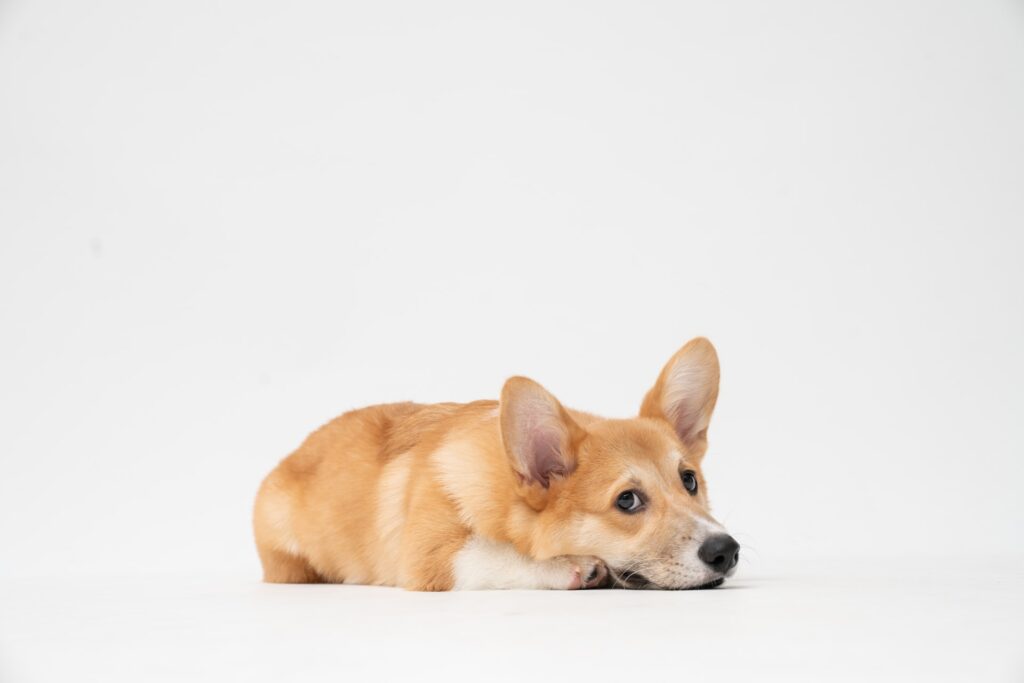
How to preserve the health of your pet.
Dog experts have revealed which flowers and houseplants can be harmful to a dog’s health.
According to them, consuming certain household plants can lead to poisoning and sometimes even death. Owners should never allow their pets to chew on cut irises, daffodils, peonies, tulips, lilies, anemones, as well as narcissus, chrysanthemums, lily-of-the-valley, hyacinths, and lilacs. These plants pose a significant danger to dogs.
Furthermore, special attention should be given to hydrangeas, primroses, cyclamens, and poinsettias as they can cause gastrointestinal disturbances, allergies, and inflammation of the mucous membranes.
Heath species of plants are also dangerous, including azaleas. They can cause poisoning, followed by cardiac disorders and suppression of the central nervous system, as experts have stated.
Aroid plants can cause burning sensations, blisters on the mucous membranes, respiratory arrest, swelling, and conjunctivitis. Passionflowers can induce nausea, drowsiness, gastrointestinal disorders, clouding of consciousness, and paralysis. Plants from the buttercup family can lead to disruptions in cardiac activity.
In case of poisoning, it is crucial to remove toxins from the dog’s body as quickly as possible.
Remove toxic particles from the dog’s skin, fur, and mucous membranes by rinsing them with a large amount of water. If you suspect that the animal has consumed a plant, it is necessary to induce vomiting. After inducing vomiting, provide generous amounts of water and an absorbent substance, and then immediately seek assistance from a veterinary clinic, as advised by dog experts.









Розбір теми 2025 року.
⚠️ We suggest that you read all the opinions on our portal and take note of them at your own discretion. Do not self-medicate! In our articles we collect the latest scientific data and opinions of authoritative experts in the field of health care. But remember: only a doctor can diagnose and treat.
The portal is intended for users over 13 years old. Some materials may not be suitable for children under the age of 16. We do not collect personal data from children under 13 without parental consent.We have a small request. We strive to create quality content about pet care, and we make it available for free to everyone because we believe everyone deserves accurate and useful information.
Advertising revenue only covers a small portion of our costs, and we want to continue to provide content without having to increase advertising. If you have found our content useful, please support us. It only takes a minute, but your support will help us reduce our reliance on advertising and create even more useful articles. Thank you!