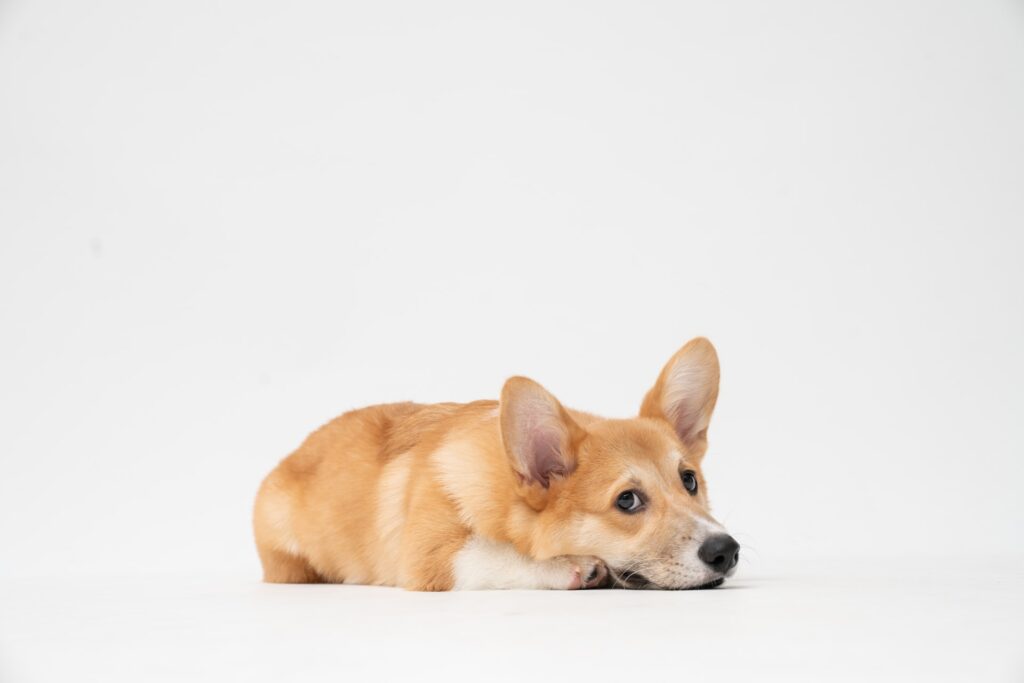
From the external environment, foreign substances and microorganisms enter the animal’s body. It is attacked by bacteria, viruses, fungi, parasites. Its own cells also become obsolete and fail. Destruction of such cells and defense against external threats is engaged in the immune system. The stronger it is, the better the body copes with the tasks, and the animal is less sick. There are a number of factors that weaken the system. Therefore, it is important to know how to avoid them, improve the health and immunity of your dog at home.
Causes of reduced immunity in dogs
Puppies are born with weak defenses, most of which are passed on to them with their mother’s milk. It is only with time that their own immunity is developed. Therefore, small pets are subject to infection much more often than adults. This also applies to older animals, whose immune system weakens over time. In addition to these natural causes, which also include childbirth and the period afterwards, there are other causes that have a negative impact on the health of dogs:
Nutrient and nutrient imbalance in the diet
If there is an incorrect ratio of substances from food, there is a malfunction in the work of many organs and systems of the body, and not only related to digestion. 75% of immunity is formed in the intestines, so there is a direct correlation between the health of the gastrointestinal tract and the state of the immune system. As soon as the number of pathogenic bacteria in the gut begins to exceed the beneficial bacteria, the immune system is compromised.
Insufficient vitamins and minerals in the diet
Vitamins and minerals ensure normal growth, development and health of animals. It is not only the quantity but also the ratio between them that is important. Lack of vitamins leads to a weakened immune system.
Improper housing conditions and insufficient care
If the pet is constantly overheated or overcooled, kept under draughts, it will not have the best effect on his health. If you do not take care of the animal’s hair, it will gather in tangles, under which the skin will become inflamed and itchy. As a result, the combing will cause a bacterial infection, which will engage the large reserves of the immune system to fight it, resulting in weakening. This also applies to ungroomed teeth, ears and eyes.
Stress
Stressful situations reduce disease resistance – this is a fact. One-time moments in the form of a scare or short-term unpleasant situations will not affect your dog’s immunity. As for frequent or constant stress, this will definitely lead to a weakened immune system if nothing is done.
Chronic diseases that are aggravated during the cold season
In dogs in the fall and winter, various diseases are aggravated: genitourinary, gastrointestinal, joint diseases. At the same time, the body has to resist external unfavorable factors. He engages all the reserves to resist all this and, accordingly, the immune system has to work with redoubled vigor.
External parasites (ticks, fleas, lice, flea beetles)
The threat that ectoparasites pose to the immunity of dogs is that many of them are carriers of viral diseases, and there is also a risk of secondary bacterial infection due to scratching the skin until it bleeds, as parasites cause unbearable itching in animals.
Helminths
Entering the body, endoparasites take away nutrients and useful substances that come with food, depriving strength and health. In response, parasites release toxic substances, weakening the body’s defenses even further.
Prolonged treatment and recovery from illness
Injuries and illnesses use the reserves of the body’s immune system to heal and recover as quickly as possible. At this point, it needs more useful substances. If they are not provided, the immune system will quickly weaken and there is a risk of developing secondary diseases or there will be a transition from an acute to a chronic state.
Taking certain medications, such as antibiotics or immunosuppressors
It is not for nothing that veterinarians insist on taking probiotics or prebiotics during antibiotic therapy in dogs to prevent digestive upset and therefore a weakened immune system. Immunosuppressants are prescribed to depress the immune system for any reason, more often to treat autoimmune diseases.
Congenital immunity is given to an animal at birth, while acquired immunity appears after it has been exposed to a bacterial or viral infection.
Signs of reduced immunity
Symptoms of reduced immune system function are similar to those of a wide variety of diseases:
- lethargy
- rapid fatigue
- Limited contact with the host
- desire to hide in a secluded place
- restless sleep
- frequent mood changes: from apathetic to aggressive
- decreased or lack of appetite
- change in the condition of mucous membranes (pallor, dryness)
- skin and hair deterioration
- Disorders of the digestive system (diarrhea, vomiting)
- frequent exacerbation of chronic diseases
- prolonged and difficult treatment of diseases, even the most common ones
Such signs may indicate different diseases. However, when the immune system is weakened, the animal is often ill, has a harder time tolerating even the simplest diseases, reacts strongly to temperature changes and other factors. Only a veterinarian can distinguish a disease from a weakened immune system. He will also advise you on how to strengthen your dog’s immunity.
Ways to strengthen and boost your dog’s immune system
The animal’s immune system works by recognizing a pathogen that has entered the body from the external environment and disarming it by producing the necessary antibodies. The next time a similar pathogen enters the body, the system will recognize the “enemy” and will be able to deal with it more quickly and effectively. Vaccination works in a similar way. By the way, it is the first and main way to strengthen the dog’s immunity. The vaccine contains a tiny dose of the causative agent of the disease, which will not infect the animal, but will allow his body to “study” it and disarm it at the stage of getting in the next time.
Veterinarians suggest such measures to boost a pet’s immunity:
- Timely vaccination of the dog according to the established schedule and in compliance with the recommendations on the preliminary preparation of the animal for it.
- Observance of the conditions of keeping. Never smoke in the presence of the dog!
- Active lifestyle and safety of daily walks. Special attention to walks in the cold season, in rain and snow – the use of special clothing, shoes, protection of paws creams and ointments. Obligatory physical activity both at home and in the street – running, jumping, games.
- Proper care.
- Balanced and complete diet, taking into account the needs of the pet and its individual characteristics. The use of vitamin and mineral complexes and probiotics in the natural way of feeding.
- Quarterly treatment of dogs from worms.
- Monthly treatment of animals from fleas, ticks and other external parasites.
- Maximum possible protection from stressful conditions.
- Regular preventive checkups with a veterinarian. Special control in the presence of chronic diseases.
- Contact a specialist at the slightest sign of indisposition in the animal.
If the animal has intestinal problems, then it has immune problems as well.
A dog’s immune system will be strong enough if all of these recommendations are followed in combination rather than separately. Ignoring one of these points can lead to a weakened immune system. If the animal’s body is weakened very much, the veterinarian can prescribe a special drug to increase immunity – immunostimulant and immunomodulator.
What are immunostimulants and immunomodulators?
Immunomodulator or immunostimulant should not be given uncontrollably to an animal. These medical preparations are prescribed exclusively by a specialist when urgent help is needed to strengthen immunity in dogs:
- tick bite with the development of an infectious disease, the vector of which he is a carrier
- viral disease
- fungal infection
- difficult childbirth
- complicated surgery
- severe stress trauma
- rehabilitation, recovery period
Immunomodulators regulate the immune system as a whole, and immunostimulants stimulate the functions of its various parts.
A veterinary drug to boost immunity is selected according to the following criteria:
- Type of defense: after viruses, against bacteria, to accelerate regeneration or recovery after surgery or injury, etc.
- The condition of the animal.
- The weight of the dog.
In chronic diseases, drugs are prescribed in courses with periodic replacement with similar ones. This is due to the fact that the animal’s body gets used to the same drug, which leads to a lack of positive reaction to its reception. The predominant majority of drugs to strengthen the immunity of dogs are subcutaneous, intramuscular or intravenous injections.
List of immunostimulants and immunomodulators for dogs
- Catosal – metabolic stimulant
- Placestim – complex immunostimulating preparation
- Anfluron – immunostimulant
- Vitazal – complex preparation for metabolic disorders
- Stimul – complex of biologically active substances
- Viusid pets – a preparation with immunocorregulating, antiviral, antioxidant and hepatoprotective effect
If the animal is provided with comfortable content and proper care, there is no need to look for an answer to the question – how to strengthen the immunity of the dog. Only rare cases of weakening of the pets’ organism due to physiological conditions or diseases require its consideration together with a veterinarian.
Take care of your four-legged friends! May they always have good health and good mood.







Поведінкові особливості тварин у 2025 — досвід експертів.
⚠️ We suggest that you read all the opinions on our portal and take note of them at your own discretion. Do not self-medicate! In our articles we collect the latest scientific data and opinions of authoritative experts in the field of health care. But remember: only a doctor can diagnose and treat.
The portal is intended for users over 13 years old. Some materials may not be suitable for children under the age of 16. We do not collect personal data from children under 13 without parental consent.We have a small request. We strive to create quality content about pet care, and we make it available for free to everyone because we believe everyone deserves accurate and useful information.
Advertising revenue only covers a small portion of our costs, and we want to continue to provide content without having to increase advertising. If you have found our content useful, please support us. It only takes a minute, but your support will help us reduce our reliance on advertising and create even more useful articles. Thank you!