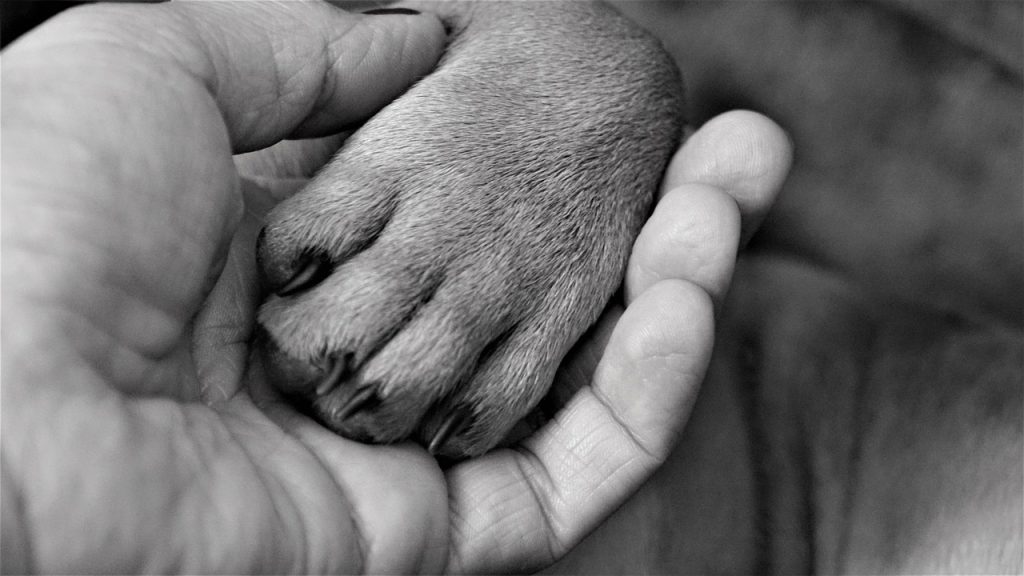
It is the dreaded Sunday afternoon scenario—you’re playing fetch with your dog, and suddenly they come back limping. After cleaning away the blood, you can see that your dog’s toenail looks broken, and there’s a good amount of blood.
Should you be worried? Is this an emergency, or can you wait to see your veterinarian tomorrow? Here’s what you need to know about the parts of a dog’s nail and what to do about your dog’s bleeding or broken nails.
Dog Toenail Anatomy
Dog toenails are very similar to people’s nails, with one major exception: they are attached to the end of the “finger bones.” That means an infection that gets into the nail or nail bed can potentially enter the bone, becoming much more severe. This likely explains why dogs can be in pain when they break a nail.
The hard outer part of a dog’s nail is made up of keratin. This hard shell protects and seals in the delicate inner portion, “the quick,” which contains the blood vessels and nerves.
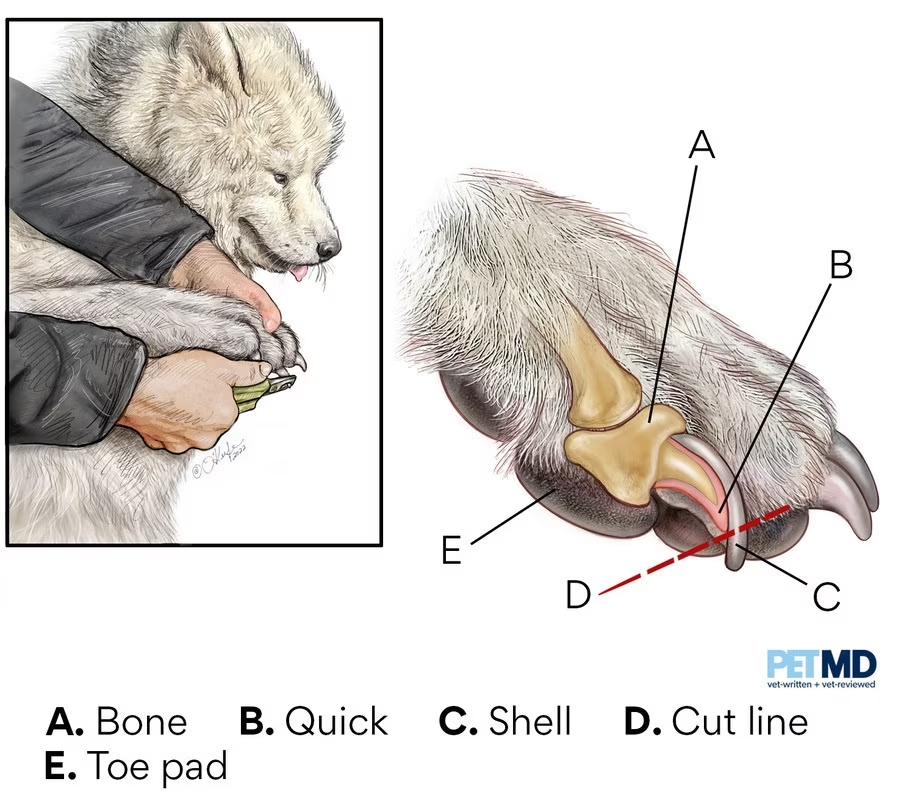
If your dog has clear or light-colored nails, you will be able to distinguish these parts clearly. However, if your dog has black nails, it makes clipping them much more complicated, since you can’t see the quick area inside the nail.
The nail attaches to the toe at the nail bed, and on the underside of the foot, the nail lies very close to the toe pad.
Healthy toenails are not brittle and will not chip or split when trimmed with a good-quality pair of nail trimmers.
Signs of Dog Toenail Injury
Most of the time, it’s clear when your dog has a problem with a toenail. They may leave drops of blood on the floor if the injury is fresh, or you might see them licking their foot excessively. Some dogs will also limp.
However, dogs can have other toenail problems that aren’t caused by an injury.
Other symptoms of a problem might include:
- Misshapen or deformed nails
- Increased brittleness
- Discharge or crustiness around the base of the nail
- An ingrown toenail
- Redness or swelling of the nail bed or paw; color changes in the nails
- Biting at the nails and feet
- Moving their paw away or yelping when you touch their paw
- Split, broken, or bleeding nails
If you notice a change in your dog’s toenails, especially if multiple toes are involved, it should be checked by a veterinarian. Beyond the toenail injury itself, there are hormonal, nutritional, and metabolic problems that can affect toenail health, and your vet can check for these.
Types of Dog Nail Injuries
Dogs can injure their nails in many ways. You will probably at some point have to deal with a toenail issue, and it will be a lot less stressful for all parties if you know the best way to deal with it.
These are some of the most common types of dog toenail injuries:
Broken, Cracked, or Split Nails
It’s most common to see a small portion of the nail broken or split open without exposing the “quick,” or center blood vessel. There’s no blood, since only the outer portion of the nail is involved.
Some dogs have brittle or overgrown nails, and others are just prone to injury. These torn toenails are rough and snag on things, and they may be uncomfortable for your dog.
Fortunately, these are also the easiest nail problems to fix, and most times, they will not even involve a trip to the veterinary hospital. Often, the split portion of the nail can just be trimmed away using a nail clipper—just be careful not to accidentally cut the quick of the nail.
A more patient dog will allow you to either file or use a Dremel tool on the rough portion of their nail. Once this rough portion is removed, most dogs will go back to being frisky again.
Nail Infection
Nail infections are generally more serious than a simple split nail. They often occur either when there has been an injury to the nail or nail bed that exposes it to infection. Some dogs are also prone to fungal infections, which can occur at the base of the nail.
With an infection, most dogs are uncomfortable and lick their feet frequently. The base of the nail is often discolored or red and swollen. They are also not too happy about having the area touched or examined.
Your dog will need to see a veterinarian to treat the infection, but as long as they seem otherwise healthy, it can generally wait 24-48 hours to be addressed. If you have to wait, you can do these things in the meantime:
- Soak your dog’s foot in a warm-water bath with Epsom salts for 10 minutes, then rinse the foot three times a day to help keep it more comfortable.
- Prevent your dog from licking the infected nail. Putting your dog in a cone will help make sure the infection doesn’t get worse.
Your veterinarian will likely clean the area well (which may require sedation) and prescribe antibiotics. They may recommend testing to determine the type of infection and the best medications to treat it.
Nail Ripped Off / Fell Off
Nails frequently get ripped off when dogs are outside playing, and often we don’t know exactly how it happens. More than likely, their foot landed on something unevenly, such as crusty ice, rocks, or even sticks and branches, which can push the nail up while the foot goes down.
When the nail is completely gone, what’s left behind is the exposed quick, the very sensitive part of the nail that contains nerves and blood vessels. An injury that exposes the quick is probably the most painful and dramatic routine injury that toenails suffer. It tears the tissue surrounding the nail, leaving an ugly, bleeding mess.
Most dogs are very uncomfortable when this happens and will lick and bite the affected foot. Sometimes, you will see a lot of bleeding. Some pet parents actually worry that there is a broken bone, especially when they see the nail sticking out from the foot.
Although it’s not a life-threatening emergency, you should take your dog to see a vet as soon as possible. The exposed quick can quickly become infected, turning a relatively minor problem into a large one. Additionally, it is extremely painful for most dogs.
If it is not possible to have your dog seen immediately, try to clean the area, place a bandage or light wrap over the area to keep it clean and dry, put an e-collar on them to make sure your dog can’t lick it, and schedule an appointment as soon as possible.
If your dog allows you to care for the wound, you can likely wait until your veterinary office can see you instead of going to an emergency clinic. This injury is best treated soon, because infections can affect the bone underneath the nail and become quite severe.
Your veterinarian will likely sedate your dog, remove any broken portion of nail, clean the area thoroughly (many dogs can tolerate this without sedation), and place a fresh bandage over it. Most dogs go home on antibiotics and anti-inflammatory pain medications.
Broken Dew Claw
The dew claw is the small, often lightly attached nail that’s high up on your dog’s foot—usually almost to where their wrist would be. In some dogs it’s well-attached, but in most, it’s just a small nail attached to the skin.
A broken dew claw can be a minor issue if it doesn’t involve the quick, or major if the quick or skin around the nail is involved. The treatment is the same as with other broken nails. If the problem has become chronic, your veterinarian may recommend removing the dew claw entirely to prevent future injury.
Overgrown Nail
Overgrown nails are very common and easily prevented. When your dog walks across a hard floor, you should not hear “click, click, click.” If you do, it generally means their toenails are overgrown. When your dog is standing comfortably, none of their nails should touch the floor; they should hang in the air from the toepad.
As long as the nail has not curled around and started growing into the foot, the best treatment for overgrown nails is clipping them. When you clip, be careful not to cut into the pink “quick” section of the nail. That part has nerve endings and blood vessels, so cutting it hurts. The outer part (clear in some dogs, dark in others) has no sensation to it.
For long-term maintenance, it’s best to clip your dog’s nails weekly to prevent them from overgrowing. Overgrown nails are much more likely to crack or break. Another tip to keep nails at the proper length is to regularly walk your dog on concrete or cement, which helps wear their nails down naturally and gives you both exercise.
Common Causes of Broken Nails in Dogs
A bleeding or broken toenail is a common injury in dogs. Dogs break their nails for a variety of reasons, including:
- Getting a nail “caught” in a door or fence or snagging it on the carpet
- Excessive scratching or digging
- Playing on rough surfaces or during vigorous activities
- Landing on their paws in a way that bends or breaks the nail
- Age as nails can become dry and brittle the older a dog gets
There are also medical reasons that may cause your dog’s nail to be more susceptible to injury, such as:
- Bacterial infections: Just as bacterial infections can affect your dog’s skin, they can affect your dog’s nails. Conditions that can cause bacterial infections in your dog’s nail beds include environmental allergies and food allergies.
- Fungal infections: A fungal infection in the nail (onychomycosis) can cause your dog’s nail to be brittle and more likely to split, crack, or tear.
- Lupoid onychodystrophy: While rare, this inflammatory disease causes abnormal nail formations in dogs, which can lead to nail injuries. Any breed can develop lupoid onychodystrophy but breeds more likely to have the condition include German Shepherd, Rottweiler, Labrador Retriever, Gordon Setter, Cavalier King Charles Spaniel, Schipperke, Welsh Corgi, West Highland White Terrier, Bearded Collie, Miniature and Giant Schnauzer, Akita, Greyhound, and German Short Hair Pointer.
How to Avoid Dog Nail Injuries
Dogs can easily break a nail running through the brush, over low shrubs, and in the park. But for most dogs without a nail disorder, keeping the nails healthy and injury-free comes down to just a few basic steps:
The first is to feed a high-quality diet with the nutrients needed to keep your pet’s coat and nails healthy. Your veterinarian can help you find a product that will work for your dog’s health needs.
When a dog is on a diet that’s not ideal, one of the first areas of the body that suffers is the coat and nails. When your dog has a dry, scruffy coat, it may be an indication that it’s time to consider a diet change.
The second step is the one dreaded by pet parents everywhere: trim your dog’s nails regularly and keep them short. With some patience, lots of treats, and the right equipment, trimming your dog’s nails doesn’t have to be a big deal. It is very important to their foot health.
What to Keep in Your Dog’s Nail Kit
Having the right tools for the job makes everything so much easier. The first tool is a BIG bag of treats so your dog looks forward to getting their nails done. Having an extra person to deliver the treats can be helpful.
Next, you’ll want a container that you can keep all your supplies in to make the job much quicker and easier. When it’s time to trim toenails, you will have everything you need in one place.
My favorite nail clippers are the large, orange-handled scissors made by Millers Forge. They work well on dogs and toenails of all sizes, and they last forever. They cut cleanly and do not fray the nail. These are my go-to clippers, whether the dog is a Yorkie or a Bernese Mountain Dog.
You will also want something handy just in case you do accidentally trim your dog’s nail too short—styptic powder to stop the bleeding. I prefer the type that comes on a cotton swab already (it is faster and less messy), but the powder also works quite well. In a pinch, you can also use flour or cornstarch.
Actually trimming the toenails is a topic for another day, but most dogs learn very quickly to tolerate having them kept short. Some even enjoy the process once they discover they get rewards for their cooperation!
When to Consult a Veterinarian About a Dog Nail Injury
A torn or broken nail in dogs may seem like a minor issue, but it can cause significant discomfort and potential complications if left untreated. While some minor injuries may heal on their own, it’s essential to seek veterinary care for proper diagnosis and treatment, especially if your dog’s nail is cracked, continually painful, bleeding, or the quick is exposed. If you notice any signs of infection, such as redness, swelling, or discharge or your dog has difficulty walking or is limping, visit your family veterinarian. By taking preventive measures and promptly addressing nail injuries, you can ensure your dog’s comfort and well-being. Remember, your family veterinarian is the best resource for guidance and support when it comes to your dog’s nail health.
FAQ: First Aid for Broken Nails on Dogs
Clean the area gently to remove debris and stop the bleeding using styptic powder or cornstarch. Keep the nail clean and wrap it lightly to prevent further injury. Schedule a vet appointment if the quick is exposed or if the bleeding doesn’t stop.
It depends on the severity. If there’s a lot of blood or the quick is exposed, it’s painful and can lead to infection, so see a vet as soon as possible. If the injury is minor, you can often wait until the next day.
For minor splits or cracks without bleeding, you can trim the damaged part away using dog nail clippers. If the nail is broken near the quick or infected, a vet should handle it.
Dogs have sensitive nerve endings in their toenails, especially near the quick. When a nail is broken, it can cause significant pain, leading to limping.
Regularly trim your dog’s nails to keep them short and healthy. Feed your dog a nutritious diet to strengthen their nails, and avoid rough terrain that might lead to injury.
If the entire nail is gone and the quick is exposed, clean the area gently, apply a light bandage, and prevent your dog from licking it. Schedule a vet visit as soon as possible to avoid infection.
Signs of infection include redness, swelling, discoloration, or discharge around the nail base. Your dog may lick the area excessively or react when you touch it. If you notice any of these signs, visit the vet.
Yes, overgrown nails are more prone to breaking, splitting, or even growing into the paw pad. Regular trimming helps avoid these issues.
Aim to trim your dog’s nails once a week to prevent overgrowth. You shouldn’t hear a clicking sound when your dog walks on hard surfaces.
You’ll need dog nail clippers, a file or Dremel for smoothing edges, styptic powder for stopping bleeding, and plenty of treats to keep your dog calm during the process.
The nail can get “caught” on something like carpet, excessive scratching or digging, playing on rough surfaces, landing on the paws in a way that bends or breaks the nail, and age.
If the quick (a collection of blood vessels) gets exposed, it can be painful, result in blood loss, and lead to infection.
Safely restrain your pet and control the bleeding with a towel or gauze. If the bleeding does not stop in 10 minutes, apply a cauterizing powder or cornstarch to the nail. If the bleeding continues, take your pet immediately to a veterinarian.
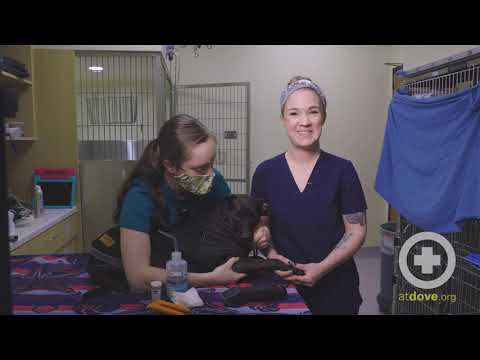
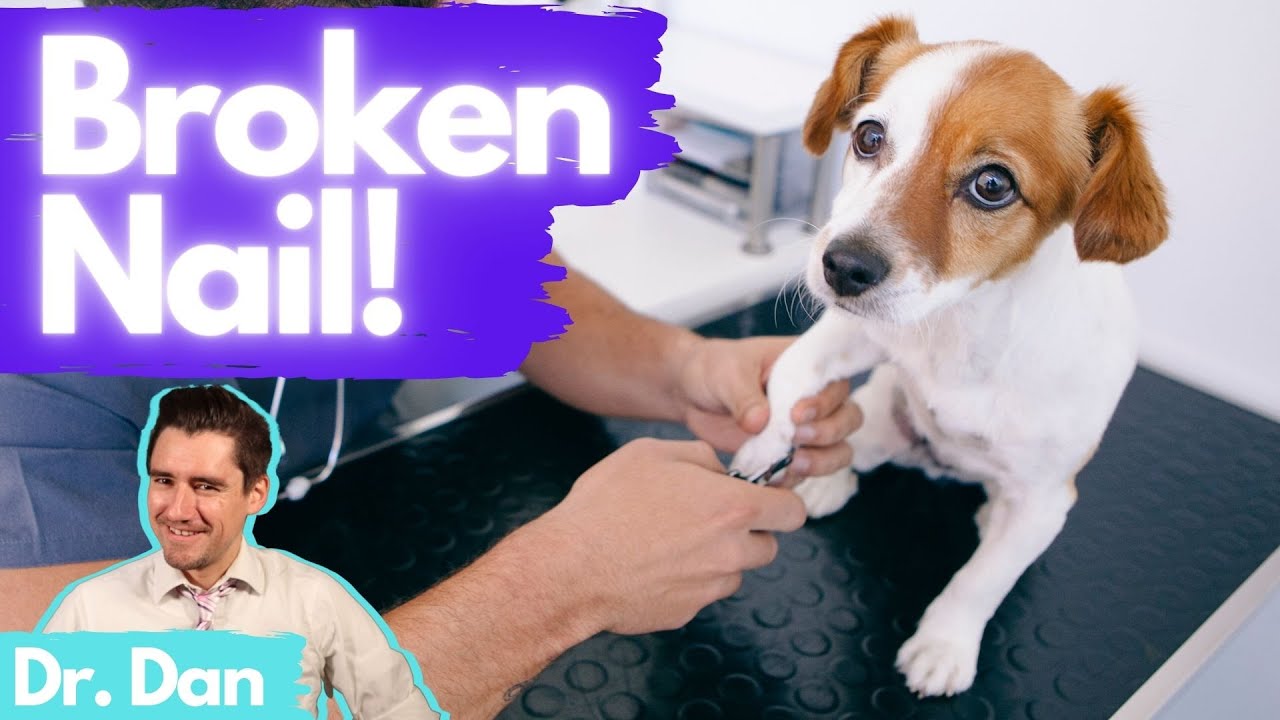
The material was prepared by Sandra C. Mitchell, DVM, DABVP. Based on the material of the article «First Aid for Broken Nails on Dogs», the LovePets UA team edited and supplemented the material. In preparation of the material, additional information was used from the article «What to Do When Your Dog’s Nails Break or Split». We have also prepared a more concise material on the topic: How to Manage a Cracked, Broken, or Torn Nail in Your Dog.







Технології у сфері догляду за тваринами: тренди 2025.
⚠️ We suggest that you read all the opinions on our portal and take note of them at your own discretion. Do not self-medicate! In our articles we collect the latest scientific data and opinions of authoritative experts in the field of health care. But remember: only a doctor can diagnose and treat.
The portal is intended for users over 13 years old. Some materials may not be suitable for children under the age of 16. We do not collect personal data from children under 13 without parental consent.We have a small request. We strive to create quality content about pet care, and we make it available for free to everyone because we believe everyone deserves accurate and useful information.
Advertising revenue only covers a small portion of our costs, and we want to continue to provide content without having to increase advertising. If you have found our content useful, please support us. It only takes a minute, but your support will help us reduce our reliance on advertising and create even more useful articles. Thank you!