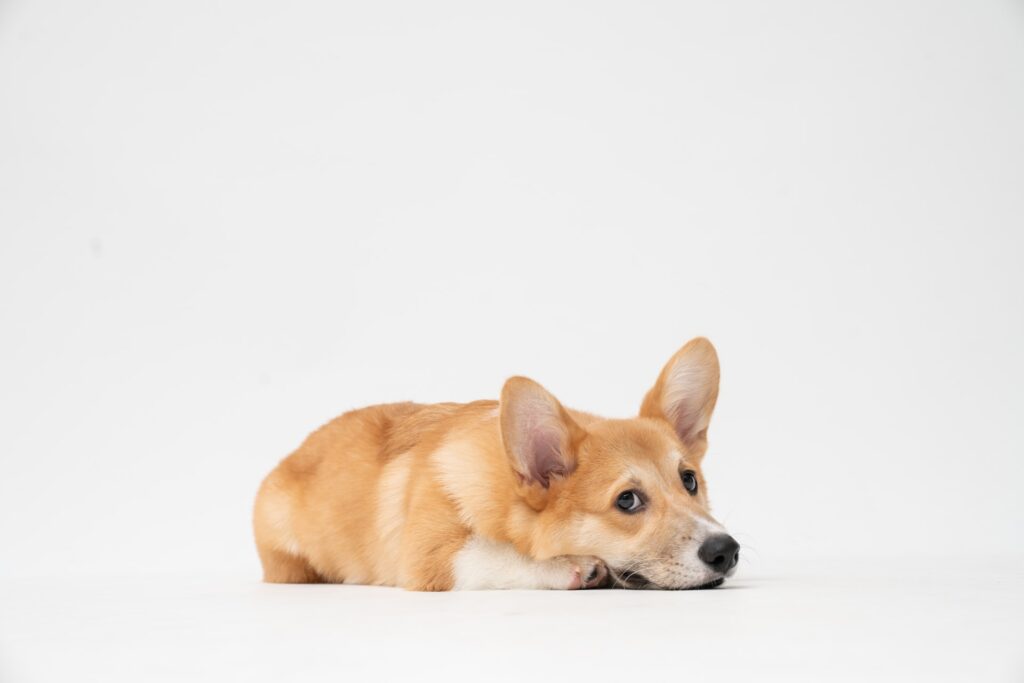
House training is a crucial aspect of dog ownership. It can be a challenging process, but it’s an essential one. Naturally, owners prefer dogs that exclusively relieve themselves outside, but occasionally, accidents occur. So, why might a dog abruptly begin having accidents indoors, even if they appeared fully house trained?
Dogs might experience unexpected indoor accidents due to training problems, health issues, or behavioral factors such as marking, stress, fear, and excitement. These accidents can occur despite a dog’s apparent house training. Understanding the underlying cause of the accident is key to preventing it from happening again.
In the article below, we will explore potential reasons behind sudden accidents in your dog and strategies to address these issues. We’ll also delve into occasional accidents and the reasons behind their occurrence.
Lastly, we will discuss whether it’s a concerning issue for your dog to have indoor accidents and what you should avoid doing if your dog has one.
11 Explanations for Your Dog’s Sudden Accidents It’s important to bear in mind that each dog is unique, and when determining if your dog is having accidents due to any of the following reasons, consider the bigger picture to identify the root cause of the problem. When in doubt, consult your veterinarian!
Reason 1: Illness
A dog that suddenly has indoor accidents, especially with feces, may be grappling with an underlying illness. This is often one of the more common explanations for dogs beginning to have unexpected indoor accidents, and it can also be one of the more severe issues to address.
Dogs tend to explore the world by mouthing objects, and they may ingest substances they shouldn’t (it’s our responsibility to teach them what’s safe to eat). Consuming these substances can lead to sudden digestive disruptions, causing a dog to defecate indoors due to the upset.
They might also need to relieve themselves more frequently, and if they lack free access to the outdoors and your schedule prevents constant monitoring, they might end up having accidents indoors even if they’re house trained. Certain toxins and medical conditions like cancer, kidney disease, and diabetes can increase a dog’s need to urinate.
Neurological ailments can result in a loss of muscle control, which may also lead to sudden accidents. If your dog is on medication for a medical condition, that medication can interfere with their digestive or urinary systems, causing a dog that was otherwise house trained to have accidents indoors.
How to Address It:
If your dog is on medication or has a diagnosed illness known to cause issues with their digestive or urinary systems, consult your veterinarian on managing indoor accidents. Sometimes, dogs adapt to the medication, and the sudden accidents may cease.
In cases related to illnesses, your vet can help you create a safe management plan to reduce the number of accidents your dog experiences.
If your dog has uncontrollable diarrhea suddenly, reach out to your vet to determine if an examination is necessary. If there is a significant amount of blood or if your dog exhibits other concerning symptoms (such as vomiting, dry heaving, lethargy, a distended belly, or signs of shock), take them to an emergency vet immediately.
While many times, sudden accidents due to illness are minor and resolve with basic treatment, they can, in some cases, serve as the initial sign of a more serious condition requiring veterinary intervention.
Reason 2: Physical Injury
Injuries to a dog’s hind end, their urinary or digestive systems, or even their head (resulting in neurological damage) can trigger sudden accidents. Trauma can disrupt control over the muscles involved in defecation and urination, particularly if nerve damage occurs in the dog’s rear end.
Ingesting foreign objects or passing kidney stones can also lead to trauma in the digestive and urinary tracts, both of which can impair proper function and lead to unexpected accidents in the home.
Head injuries, causing brain damage and neurological impairment, can result in a general loss of bodily function, affecting the digestive and urinary systems.
How to Address It:
If the trauma is mild and your vet predicts a full recovery of your dog’s bodily functions, the sudden accidents should decrease and eventually cease once your dog is fully healed.
Regrettably, if the trauma leads to permanent damage, your pup may remain more susceptible to sudden accidents throughout their life.
Consulting with your vet is the best approach, as there are various ways to assist an injured dog with their bathroom habits, including implementing more frequent potty schedules, stricter feeding routines and dietary plans, and reducing sources of excitement and stress that might lead to a loss of muscle control. Doggy diapers can also be a valuable option!
Reason 3: Fear
Dogs in extreme states of fear may involuntarily urinate or defecate as a natural response to fear. This particularly occurs when the dog is unable to escape the source of fear.
It’s essential to remember that our dogs may find things frightening that we wouldn’t think twice about. Therefore, if your dog suddenly urinates or defecates around certain objects, locations, people, or in specific situations (like when your kids have friends over), it’s worth considering whether fear is a factor.
Dogs may also urinate or defecate when subjected to yelling, hitting, pushing, or any form of physical or mental trauma. Dogs don’t comprehend events in the same way we do, so when they encounter situations that induce fear and uncertainty, they may experience sudden urination or defecation.
How to Address It:
The first step in resolving this issue is determining whether it’s fear or another emotion causing the sudden urination or defecation. Dogs primarily communicate through body language, so it’s crucial to examine the entire context to identify the emotion, if any, responsible for the unexpected accident.
If the fear is connected to a specific trigger or person, working with a reputable trainer on counter-conditioning or desensitization can help your dog build confidence and overcome their fear.
If the accident is the result of your dog becoming suddenly fearful of someone, it’s a good idea to educate that person (even if it’s yourself) to prevent future accidents.
Occasional fear-related potty-training accidents arising from unexpected events (like loud noises or unfamiliar sights during the holidays) are best tackled by early and frequent socialization, positively reinforcing your dog’s interactions with the world. It’s important to remember that you can’t prepare your dog for every possible experience, so patience during such moments when accidents occur is essential.
Reason 4: Stress
Similar to fear, stress can also trigger sudden accidents, even in a dog that is fully house trained. Dogs can experience stress in various ways and due to a wide range of causes, making it challenging to pinpoint the source of stress or prevent it altogether.
Dogs can encounter both positive and negative stress, much like humans, and each type has the potential to lead to accidents, often involving urination.
Submissive urination is a common occurrence and is a natural behavior exhibited by dogs of any breed, age, gender, or size. Submissive urination happens in response to situations that induce fear, stress, or excitement and serves as a way for the dog to appease the trigger, either passively or actively. It should not be classified as a house training issue but rather as a standard method of communication among dogs.
In many cases, submissive urination occurs in response to interactions with other dogs, but for certain dogs, especially puppies or those with traumatic backgrounds or limited socialization with people, it can occur when they interact with humans.
How to Address It:
Given that submissive urination is a natural behavior, it’s not typically something that can be “corrected” in the traditional sense. If your dog only experiences accidents around other dogs, and you’ve identified it as submissive urination, you can manage the situation by immediately taking the dogs outside or consulting a trainer to develop an alternative behavior to replace submissive urination.
For dogs that exhibit submissive urination around people, a similar training and counter-conditioning plan can be applied, with a trainer devising a tailored approach based on your dog’s specific emotional state.
If the sudden urination or defecation is related to overall stress rather than submissive urination, your initial step should be identifying the source of stress and then working to alleviate or eliminate the stress associated with that trigger. Implementing reward-based training and working with a trainer to modify your dog’s association with the stress-inducing factor or event can significantly help your dog.
Reason 5: Excitement
Sudden urination and defecation when an animal is excited is not limited to dogs; it occurs in various species, including cats, horses, and even humans. Excitement often goes hand in hand with stress, usually of the positive kind, and an overly excited dog may have limited control over their bodily functions, particularly the bladder.
Submissive urination may also manifest when dogs are in a state of excitement, but accidents can occur due to a lack of muscle control. Female dogs may encounter this issue more frequently, as they generally have a tougher time controlling their bladders compared to male dogs. However, both sexes are equally susceptible to accidental defecation when in an excited state.
How to Address It:
Like stress and submissive urination, addressing accidents resulting from excitement can be challenging. It’s essential never to punish dogs for their excitement, but you can work on helping them manage their exuberant emotions more effectively and teach them alternative behaviors to release their energy in a less messy manner.
If you anticipate an upcoming exciting event, physical and mental exercise for your dog beforehand can help dissipate their energy and reduce the likelihood of accidents.
Understanding what motivates your dog and keeps their attention is vital for handling unpredictable excitement, such as when they spot a squirrel or an enticing object. Being able to divert your dog’s focus from the exciting stimulus and guide them towards a different activity or task can prevent sudden accidents. If you frequently contend with an overly excited pup, seeking assistance from a local trainer is a wise choice.
Reason 6: Reinforcement History
Dogs are continually absorbing information from their surroundings, often learning from their experiences, whether we’re aware of it or not. If your dog is suddenly having recurrent accidents, it’s possible that, at some point, they received positive reinforcement for eliminating inside the house.
Dogs are intelligent creatures, and if they discover that a particular behavior brings them a desirable outcome, they’re inclined to repeat it.
For instance, imagine you were engrossed in a lengthy phone call and missed the signs that your dog needed to go outside, leading to them urinating in the kitchen right in front of you. Feeling remorseful for neglecting your pup, you finish your call and take them outside to engage in their favorite game. The following day, your dog urinates in the kitchen once more and then looks to you to go outside for playtime.
Your dog has connected the dots: peeing in the kitchen leads to an outdoor play session, their favorite activity! While this unwanted behavior sequence may not always happen so rapidly, astute dogs can pick up on such associations without you even realizing that you’re reinforcing undesirable behavior.
Conversely, if your dog has ever been reprimanded while eliminating outside, they may opt to relieve themselves indoors, even if they were previously house trained.
It’s important to debunk the myth that rubbing your dog’s nose in their accident will teach them not to go indoors. Owners who still adhere to this misconception may often scold their dogs and forcefully usher them outside, which can be a frightening experience for the dog.
However, this has the opposite effect, instilling fear of going outside and associating it with being scolded. Consequently, many dogs may choose a discreet spot indoors to avoid punishment.
How to Address It:
Fortunately, if your dog is having sudden accidents due to their reinforcement history, it’s usually a manageable issue with consistent and patient efforts.
Being conscious of which behaviors you want to reward and which you don’t is crucial. Timing is everything in reinforcing or discouraging behavior. You might need to revisit the fundamentals of potty training.
It’s essential to refrain from using punishment in response to any indoor accidents. If you’re grappling with a dog that has reverted to eliminating indoors, and there’s no underlying medical issue, consulting a local dog trainer or behaviorist can provide valuable assistance.
Reason 7: Insufficient Outdoor Access
On numerous occasions, a sudden indoor accident may result from missing your pup’s signals to go outside. Dogs can sometimes be quite subtle when asking to go out.
For example, during the final stages of my youngest German Shepherd’s potty training, her sole signal that she needed to go out was a fleeting glance at the back door. If I failed to notice that look, she would relieve herself right in front of the door. Over time, she has become clearer in her cues, but some dogs tend to be rather reserved when indicating their need to go outside.
Occasionally, it may be due to a change in your schedule, preventing you from letting your pup out as frequently as before. Consequently, they may suddenly urinate or defecate indoors, even if it has been a while since their last accident.
Dogs thrive on routine, including their potty schedule, which is particularly crucial for puppies. Any change in this routine, even if temporary, can lead to sudden indoor accidents until your dog adapts to the new schedule.
How to Address It:
Typically, providing your pup with some time to adapt to the new schedule will reduce the likelihood of future accidents. Being more attuned to your dog’s body language and closely observing their behavior before they eliminate is essential to determine if they need to go out.
If your schedule has changed and you can’t let them out as frequently as they’re accustomed to, hiring a dog walker during the day can be a helpful solution, preventing indoor accidents.
Crate training is another effective method to minimize accidents and get your pup back on a consistent potty routine.
Reason 8: Lingering Urine or Feces Odor
If your normally housetrained dog suddenly has accidents indoors, it might be due to lingering traces of urine or feces somewhere in the house. Dogs possess highly sensitive noses, and even if we can’t see or smell anything, they might detect it!
The presence of urine or feces residue can trigger a bathroom response in a dog, leading them to believe that it’s acceptable to relieve themselves in that area. This scenario often arises when clients bring their housetrained dogs to a friend’s house, and the dog unexpectedly eliminates indoors. Later, it’s revealed that the friend’s dog had been doing the same, leading the visiting dog to assume it’s permissible.
How to Address It:
Dog urine and feces contain enzymes that can only be effectively eliminated using enzyme-specific cleaners. If your dog had accidents in the house, especially during the potty training phase, it’s crucial to clean the area with these specialized cleaners.
A UV light can assist in ensuring you thoroughly remove any residual odor. Even a faint scent may still signal to some dogs that it’s an acceptable spot for relieving themselves.
If the odor is deeply ingrained, especially if it went unnoticed when fresh, or if you’ve moved into a new house with previous canine occupants, it’s imperative to use dog-specific cleaners to eradicate these odors. In severe cases, you may even need to remove and clean beneath carpet or flooring. While standard household cleaners (excluding bleach) are suitable for recent accidents, an enzyme-based cleaner remains your best choice for persistent odors.
Reason 9: Marking Behavior
Contrary to popular belief, both male and female dogs are capable of marking, and even spayed and neutered dogs may engage in this behavior. Dogs often resort to marking, typically by urinating but occasionally by defecating, due to hormonal changes or heightened stress, anxiety, or frustration. Such stressors can be triggered by changes or disruptions in the household, such as the arrival of a new baby or another dog.
Even fully housetrained dogs may begin marking, especially as they reach adolescence and enter puberty. If you start noticing sudden accidents in very specific areas or only a small amount of urine, your dog might have started marking.
How to Address It:
Marking is a normal behavior when done in appropriate outdoor areas and can usually be disregarded. However, once a dog starts marking inside the house or other inappropriate places, it’s crucial to address the behavior promptly, as it can be challenging to correct later on.
Early spaying and neutering of dogs may mitigate some marking behaviors, but it’s not a guarantee.
The best approach is to clean up the accident using an enzyme-based cleaner and closely monitor your dog if you observe them investigating the area. If you notice any indications that they might mark, promptly interrupt them and take them outside to eliminate. Be sure to praise and reward them if they go outside instead.
If it’s challenging to supervise your dog during the day, using a crate or restricting access to areas they’ve marked can help them get back on track. This is especially beneficial if you have an adolescent dog going through puberty, a new dog in your home, or an anticipated disruption to your household routine, such as the arrival of a new baby or home remodeling.
If marking is linked to stress-related behaviors, providing enrichment toys and ample physical and mental exercise can be helpful. In severe cases, a veterinarian or behavior consultant can offer additional guidance to prevent marking in your home.
It’s important to avoid using punishment, as it can exacerbate the marking behavior and lead to additional behavioral issues, as is the case with most training-related matters.
Reason 10: Household Changes
Dogs thrive on routine, and any disruption to that routine can trigger sudden accidents in the house. Much like many other reasons on this list, household changes can induce stress, fear, anxiety, excitement, or a combination of these emotional states, all of which can impact a dog’s bathroom behavior.
Often, when something changes in the household, human behaviors and schedules adjust accordingly. While we do our best to adapt to these changes, we may not always consider their effects on our dogs.
Changing jobs with different hours, welcoming a new baby, relocating from a quiet rural area to a bustling city – all these alterations (and more) can affect a dog’s routine and potty habits.
If your housetrained dog is experiencing sudden accidents in the house and you’ve recently made a change in the household or your life, these accidents may be an unintended consequence of those changes.
How to Address It:
In contrast to many other reasons on this list, the most effective way to address sudden accidents resulting from household changes is to allow your dog time to adapt. There’s no quick fix, but patience and attentiveness to your dog’s needs will expedite this adjustment period.
Depending on the nature of the household change, allowing your dog more frequent outdoor breaks in the initial stages can be helpful. Gradually work on establishing a new schedule and routine for them. Hiring a pet sitter or enrolling them in doggy daycare are also viable options.
It’s crucial to positively reinforce any outdoor potty behaviors during this adjustment period.
Reason 11: Diet
Much like us humans, dogs may require an adjustment period when introducing new foods into their diet. Some dogs can be highly sensitive to dietary changes, leading to sudden accidents in the house if their digestive system doesn’t agree with the new food.
Transitioning from puppy food to adult food, or from kibble to a raw diet, can all lead to digestive upset if not done gradually. Even specific treats and chews can cause stomach discomfort that results in sudden accidents indoors.
How to Address It:
If you’re planning to switch your dog’s food, it’s essential to do so gradually rather than all at once. Many pet foods provide guidelines for transitioning on the packaging. However, individual dogs may have different tolerances for dietary changes, so it’s important to monitor your dog’s bathroom habits as you make the switch to adjust as needed.
For dogs with sensitive stomachs, incorporating probiotics, digestive enzymes, or pumpkin can facilitate a smoother transition, preventing household accidents.
If sudden accidents are linked to a new treat or chew, it’s advisable to take note of any unusual ingredients in the product so you can avoid them in the future.
When it comes to any food, treat, or supplement, closely scrutinize the ingredient label and make note of any ingredients that lead to softer or more frequent stool, increased gas, belching, or heightened urination in your dog.
Why Does My Potty-Trained Dog Still Have Occasional Accidents?
Occasional accidents in the house (just one or two every few weeks rather than a consistent pattern) are typically the result of minor setbacks in the potty-training process and are not a cause for concern. If you remain patient and consistent with the training, these occasional accidents should subside.
If your dog has occasional accidents in their crate, it may indicate additional training issues related to a regression in crate training.
In some instances, a housetrained dog having a sudden accident in the house is just that—an accident! It could be that you missed the signals your dog was giving at that moment, or the dog got distracted while outside and only realized they still needed to go potty after coming back inside (a common occurrence, especially with older dogs).
As dogs age, many of them may develop incontinence issues, making it more challenging for both them and their owners to discern when they need to go out and potty.
Occasional accidents can also be related to unexpected circumstances, such as being away from home longer than planned or missing your dog’s cues to go outside due to work-related distractions.
There’s usually not much to fix in such cases, as these occasional accidents are often isolated incidents. If you can identify what led to the accident (e.g., returning home later than usual from work), you can make a mental note to be more mindful of it in the future.
If the accident resulted from the natural aging process, consult your vet about potential medications to help with incontinence. For senior pets experiencing accidents, diapers, wraps, and waterproof bedding can also be valuable tools.
You can find more detailed information on urinary incontinence in dogs in this video.
Is It Bad If My Potty-Trained Dog Is Still Having Accidents?
The severity of the situation depends on the underlying cause of the accident, whether it’s a sudden occurrence or an occasional one. Naturally, nobody wants their dog to continue having accidents in the house, so it’s crucial to understand WHY your dog had an accident in the first place.
In many instances, accidents result from a disruption in their schedule, illness, or a training issue. However, there are cases where pinpointing the underlying cause can be more challenging, and the intervention of a trainer or veterinarian may be necessary, especially if there’s a medical reason involved.
Regardless of why your dog may be having accidents in the house, it’s essential to avoid using punishment. Employing punishment when your dog has a house accident can lead to unintended behavioral consequences.
In Conclusion
Dealing with housetrained dogs that suddenly have accidents in the home can be a frustrating situation for many dog owners. Training issues, medical concerns, behavioral problems – all of these factors can lead to sudden accidents. The first step in addressing the issue is identifying why your dog had the accident in the first place.
In most cases, it’s relatively straightforward to determine the cause of the accident and take measures to prevent it from recurring in the future. However, in some instances, a trainer or veterinarian may need to provide assistance.
Regardless of the underlying reason for the accident, it’s vital never to resort to punishment. You might need to revisit certain steps in the housetraining process, but with consistency, patience, and a generous dose of positive reinforcement, most of the time, the accidents can be resolved.
The most frequent questions and answers on the topic: Why Does My Dog Suddenly Have Accidents?
Dogs may have accidents due to various reasons like illness, stress, changes in routine, or training issues.
Yes, illnesses can lead to sudden accidents in dogs, especially if they have digestive or urinary problems.
Consult your vet for guidance, especially if your dog is on medication or experiencing unusual symptoms.
Yes, trauma or injuries can lead to a loss of muscle control, causing accidents.
Yes, dogs may have accidents due to stress, which can result from changes or disruptions in their environment.
Yes, occasional accidents can occur, especially if there are schedule changes or minor setbacks in training.
Yes, dogs, both male and female, can mark due to hormonal changes or stress, resulting in accidents.
Promptly interrupt the behavior, take them outside to potty, and reward them if they go outside instead.
Give your dog time to adjust to the changes, gradually adapt to a new schedule, and consider a pet sitter or doggy daycare.
Consistency, patience, and positive reinforcement are key in housetraining, and it’s crucial to avoid using punishment.







Технології у сфері догляду за тваринами: тренди 2025.
⚠️ We suggest that you read all the opinions on our portal and take note of them at your own discretion. Do not self-medicate! In our articles we collect the latest scientific data and opinions of authoritative experts in the field of health care. But remember: only a doctor can diagnose and treat.
The portal is intended for users over 13 years old. Some materials may not be suitable for children under the age of 16. We do not collect personal data from children under 13 without parental consent.We have a small request. We strive to create quality content about pet care, and we make it available for free to everyone because we believe everyone deserves accurate and useful information.
Advertising revenue only covers a small portion of our costs, and we want to continue to provide content without having to increase advertising. If you have found our content useful, please support us. It only takes a minute, but your support will help us reduce our reliance on advertising and create even more useful articles. Thank you!