Often, our canine companions engage in specific actions for particular reasons. Dogs rely on their behaviors and actions as a means of communication since they lack the ability to use words like humans. Although it might appear to be a simple gesture, there are various scenarios and motivations behind your dog’s decision to lick you, particularly after they’ve finished their meal.
But what is the significance of your dog’s post-meal licks? What message could they be attempting to convey?
Your dog might be licking you after consuming their food as a way to express gratitude and affection. It could also be their method of signaling a desire for more food, or perhaps they assume you might have additional sustenance to offer, especially if you carry the scent of food. In some cases, they might be licking you unintentionally encouraged by your reactions.
Let’s explore the five potential reasons why your dog might engage in this behavior after eating, and whether it warrants concern.
Why Does My Dog Lick Me After They Eat?
There exist several motivations behind your dog’s post-meal licks. Let’s delve into the top five reasons. However, it’s crucial to recognize that a dog’s behavior can be influenced by multiple factors, not just one.
To truly comprehend why your dog acts in a particular way, consider their environment and the context. This approach provides a more comprehensive understanding of your dog’s state of mind and the driving forces behind their actions.
Reason 1: Bonding With You
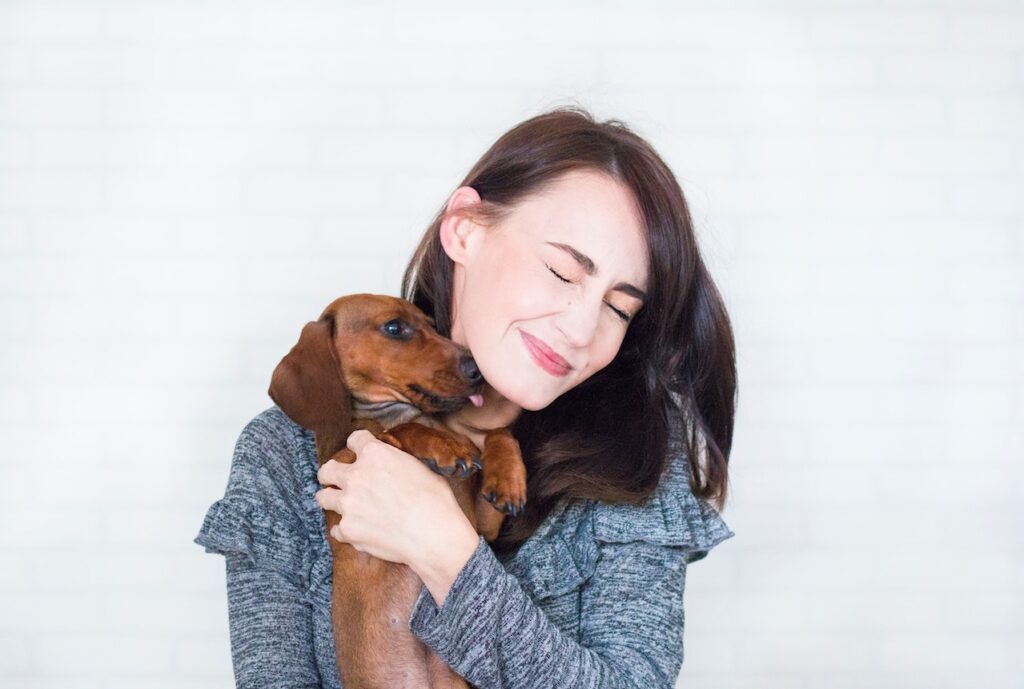
Dogs possess their own unique methods of demonstrating affection towards us. Whether it’s engaging in various games, taking leisurely walks together, or presenting their favorite toys, each gesture serves as a testament to the bond they share with you. Among these behaviors, licking emerges as a significant indicator of this bond.
The post-meal period might be a moment of contentment for your furry friend, creating an ideal time for them to shower you with affectionate licks. It’s their way of blending the satisfaction of a good meal with the reassurance of your presence.
Aside from licking, dogs may also gently nibble or nuzzle you, further reinforcing their affection. For an endearing glimpse of this behavior, consider watching a video in which a dog thoroughly enjoys a tranquil moment, punctuated by tender licks, in the company of its owner.
Reason 2: Your Dog Seeks More Nourishment or Hydration
Dogs harbor an inherent love for food, deeply ingrained in their survival instincts. Their wild ancestors often relied on scavenging and hunting for sustenance, instilling a potent food drive that endures in today’s domesticated dogs. This is why treats play a crucial role in training, tapping into this primal motivation.
The act of licking after a meal could be your dog’s subtle way of expressing a desire for additional food or perhaps a drink. If your dog’s primary diet consists of dry food, it’s essential to ensure they always have ready access to fresh water. Their post-meal licks may serve as a gentle reminder that their water bowl needs replenishing.
Keep in mind that, akin to humans, dogs have diverse appetites. While some eagerly devour every morsel, others can be quite selective in their eating habits. Monitoring their eating behavior is crucial not only to comprehend their culinary preferences but also to detect any potential underlying health issues.
Reason 3: Your Dog Is Expressing Gratitude for the Meal
Dogs, known for their expressive nature, often employ actions to convey their emotions. Licking, a clear sign of affection, can sometimes be their way of expressing gratitude. Considering the love, care, and sustenance you provide, it’s entirely plausible that post-meal licks are your dog’s way of saying, “Thank you.”
Just as they might shower you with these affectionate licks upon your return from a long day, the same sentiment may underlie their post-meal behavior. If you observe your dog directing these loving licks predominantly at you, it’s likely their distinctive means of demonstrating the bond they share with you.
Here’s an amusing video featuring a dog’s attempt to feast on food displayed on a television screen:
Reason 4: You Emit a Food-Like Scent
Dogs possess an extraordinary sense of smell, capable of detecting even the faintest food odors. If you’ve recently handled their food, there’s a chance you’ve inadvertently transferred its scent onto your hands or clothing. Their keen noses can easily pick up on these traces, prompting them to investigate by licking.
Even if you believe you’ve been cautious, traces of their meal’s aroma may linger on you after serving your dog. This can pique your dog’s curiosity, making them more inclined to give you an exploratory lick, especially if they suspect there might be a leftover tidbit or two!
Reason 5: You Are Reinforcing the Behavior
Your dog’s actions can be influenced by your responses, often without your conscious awareness. If your pup licks you after a meal and you offer them attention or praise in return, they are likely to associate their licking with positive feedback.
Positive reinforcement entails rewarding a specific behavior to encourage its repetition. For instance, in dog training, it involves giving a treat to a dog after it successfully follows a command, reinforcing the desired behavior.
While treats are common rewards, attention can be equally powerful. Even if you’re not dispensing treats when your dog licks you, simply acknowledging them can be perceived as a reward. This attention might unintentionally motivate your dog to repeat the licking, linking it with your focus on them.
Is There Cause for Concern When Your Dog Licks You After Eating?
Generally, a dog licking you after a meal is a harmless behavior. It can signify a desire for more food, a plea for attention, or merely an expression of affection toward you.
Consistency, however, is key. If your dog suddenly adopts this behavior when it’s not part of their usual routine, it might hint at an underlying issue. Being attuned to your dog’s typical behaviors is essential, as any deviations could indicate discomfort or distress.
Always prioritize your pet’s well-being. If you observe abrupt changes in behavior, it’s advisable to consult your veterinarian. Addressing concerns promptly can prevent them from evolving into more significant problems, ensuring your dog remains happy and healthy.
Final Thoughts
We’ve delved into five potential reasons why your dog might shower you with post-meal licks!
Our faithful canine companions communicate primarily through actions rather than words. By deciphering the motivations behind these actions, we can gain a deeper understanding of their emotions and needs, ensuring that we support them through both their best and most challenging days.
Remember that dogs often have multifaceted motivations for their behaviors. By paying attention to their surroundings and context, we can foster a fulfilling and healthy bond with our beloved pets.
The most frequent questions and answers on the topic: Why Does My Dog Lick Me After Eating?
Dogs often lick their owners after eating for several reasons, which can include expressing gratitude, seeking more food or water, or simply bonding.
Yes, it’s a relatively common behavior among dogs, and it can have various motivations.
Yes, dogs might lick their owners after eating as a way of signaling a desire for additional food or a drink.
Yes, dogs have an excellent sense of smell, and they can detect food scents even on your hands or clothing, prompting them to investigate by licking.
Absolutely. If you’ve recently handled their food, traces of the meal’s scent might linger on you, making your dog more curious and inclined to lick you.
Yes, your reactions to your dog’s behavior can shape it. If you offer attention or praise when your dog licks you after a meal, they may associate this behavior with positive feedback.
Generally, post-meal licking is harmless and can be a sign of affection or a request for more food. However, sudden changes in behavior should be monitored as they could signal underlying issues.
If you notice significant changes in your dog’s behavior, it’s advisable to consult a veterinarian to rule out any potential health concerns.
Observing your dog’s behavior, understanding their typical routines, and considering the context can help you decipher the motivations behind their post-meal licks.
Paying attention to your dog’s environment, their preferences, and any changes in behavior can help you maintain a healthy and fulfilling relationship with your pet.




Поведінкові особливості тварин у 2025 — досвід експертів.
⚠️ We suggest that you read all the opinions on our portal and take note of them at your own discretion. Do not self-medicate! In our articles we collect the latest scientific data and opinions of authoritative experts in the field of health care. But remember: only a doctor can diagnose and treat.
The portal is intended for users over 13 years old. Some materials may not be suitable for children under the age of 16. We do not collect personal data from children under 13 without parental consent.We have a small request. We strive to create quality content about pet care, and we make it available for free to everyone because we believe everyone deserves accurate and useful information.
Advertising revenue only covers a small portion of our costs, and we want to continue to provide content without having to increase advertising. If you have found our content useful, please support us. It only takes a minute, but your support will help us reduce our reliance on advertising and create even more useful articles. Thank you!