As a cat owner, you’ve probably encountered your feline friend’s peculiar habit of raising their hindquarters when being scratched, a behavior both amusing and intriguing. If you’ve observed this behavior and are curious about its origins, read on. We’ll delve into the various reasons why your cat might engage in this action, shedding light on whether it’s a positive or negative sign, ultimately enhancing your understanding of your beloved pet.
The 4 Reasons Why Cats Raise Their Hindquarters When Scratched
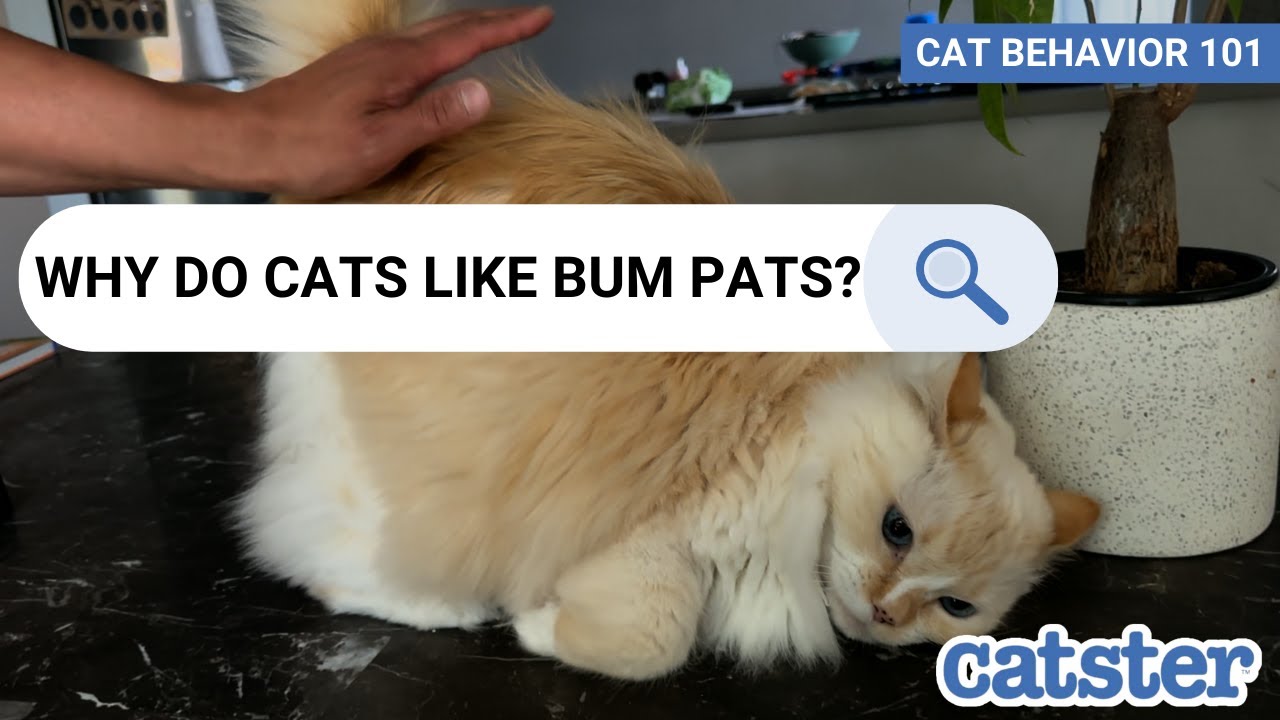
- Pure Enjoyment. Perhaps the most straightforward explanation for your cat’s habit of lifting their hindquarters when you scratch the base of their tail is that they genuinely enjoy it. This posture can bring the nerves in that area closer to the surface, enhancing the pleasure derived from the sensation. Cats often remain stationary when experiencing this delightful sensation, sparing you the need to chase after them. Additionally, your cat may emit purring sounds while displaying this behavior, further reinforcing their satisfaction.
- In Heat. If you haven’t had your female cat spayed and notice her raising her hindquarters, there’s a strong likelihood that she’s entering her heat cycle. Allowing an unspayed female to roam outdoors during this period significantly increases the chances of a forthcoming litter. Conversely, keeping her indoors can prevent damage to your home. A cat in heat often marks various surfaces with urine and may resort to scratching furniture as well.
- Instinctual Behavior. Newborn kittens are entirely reliant on their mothers for care, including grooming. One way kittens facilitate their mother’s grooming efforts is by raising their hindquarters, making it easier for her to clean them. This instinctual behavior may carry over into adulthood. When your cat perceives the sensation of your hand as similar to their mother’s grooming tongue from their early days, they might instinctively engage in the same behavior.
- Communication. Cats possess anal glands that produce potent pheromones, enabling them to communicate with other felines. You may have witnessed cats greeting each other by sniffing one another’s hindquarters, particularly when they share a friendly relationship.When your cat raises their hindquarters in your presence, it might be their way of saying hello and inviting you to partake in a bit of feline communication—essentially extending an invitation for you to take a sniff!
Understanding the reasons behind this behavior can foster a deeper connection with your cat, enriching your shared bond.
My Cat Doesn’t Display Hindquarters Elevation
If your feline companion refrains from raising its hindquarters or does so only to a minimal extent, there’s generally no need for concern. Each cat possesses its own unique personality and behaviors, and it’s entirely normal to encounter cats that do not engage in hindquarters-raising when being petted.
Some cats can be rather reticent when it comes to human interaction and may maintain this disposition throughout their lives. Conversely, other cats may gradually warm up to you, allowing you to pet them comfortably, and you might observe them eventually raising their hindquarters when at ease, mirroring the behavior of more outgoing felines.
What if Scratching My Cat’s Hindquarters Appears Painful?
If you notice signs of discomfort or pain when scratching the base of your cat’s tail, it is strongly advisable to consult a veterinarian promptly. Several underlying health issues could be contributing to your cat’s discomfort in this area, including kidney stones, kidney disease, impacted anal glands, spinal problems, or skin allergies.
The likelihood of a medical condition increases if your cat previously enjoyed this form of attention but now appears distressed. An early diagnosis is essential to facilitate prompt treatment and restore your cat’s well-being.
Concluding Thoughts
Regrettably, we cannot directly inquire about our pets’ motivations, so we rely on informed speculations. In our assessment, the most probable reason for a cat to raise its hindquarters is to express enjoyment of the interaction. It might also be reminiscent of kitten behavior, and while it may seem like an invitation to sniff, cats generally do not employ this posture for mutual sniffing.
On rare occasions, you might observe a similar body posture when your cat indulges in another pleasurable activity—scratching the carpet. We trust you found this concise guide enlightening and that it has addressed your inquiries.
Frequently asked questions on the topic: Why Do Cats Raise Their Butts When Scratched?
Cats often raise their hindquarters when scratched near the base of their tail for several reasons:
1. Enjoyment: Most commonly, cats do this because they enjoy the sensation. Scratching in this area can stimulate nerves, heightening the pleasure they experience. Cats often remain still during this interaction, indicating their contentment, and may even purr.
2. In Heat: Unspayed female cats may raise their hindquarters when in heat, signaling their readiness to mate. This behavior is part of their mating ritual.
3. Instinct: Kittens raise their hindquarters as a way to facilitate grooming by their mothers. This instinctual behavior may persist into adulthood when a cat perceives a similar sensation when being petted.
4. Communication: Cats have anal glands that produce pheromones used for communication. Raising their hindquarters can signal a friendly greeting, inviting interaction or even sniffing.
If scratching your cat’s hindquarters appears to cause discomfort or pain, it’s advisable to consult a veterinarian. Pain in this area could be a sign of various health issues, such as kidney problems, impacted anal glands, spinal issues, or skin allergies. If your cat previously enjoyed this interaction but now reacts with discomfort, it may indicate an underlying medical problem that requires prompt attention.
Yes, it’s entirely normal if your cat doesn’t raise their hindquarters when scratched. Each cat is unique, and their reactions to being petted can vary. Some cats may simply not engage in this behavior, and that’s perfectly fine. Cats have diverse personalities and may express their comfort and enjoyment in various ways.

![Tuna Water for Cats: Evaluating its Viability [Advantages & Disadvantages].](https://dbgjqnlcpw0cnuyguiucqr4do40p1pkv.cdn-freehost.com.ua/feeds/wp-content/uploads/2023/08/tuna-water-for-cats-evaluating-its-viability-advantages-disadvantages-300x200.jpg)


Світ домашніх улюбленців у 2025 — більше тепла, більше любові.
⚠️ We suggest that you read all the opinions on our portal and take note of them at your own discretion. Do not self-medicate! In our articles we collect the latest scientific data and opinions of authoritative experts in the field of health care. But remember: only a doctor can diagnose and treat.
The portal is intended for users over 13 years old. Some materials may not be suitable for children under the age of 16. We do not collect personal data from children under 13 without parental consent.We have a small request. We strive to create quality content about pet care, and we make it available for free to everyone because we believe everyone deserves accurate and useful information.
Advertising revenue only covers a small portion of our costs, and we want to continue to provide content without having to increase advertising. If you have found our content useful, please support us. It only takes a minute, but your support will help us reduce our reliance on advertising and create even more useful articles. Thank you!