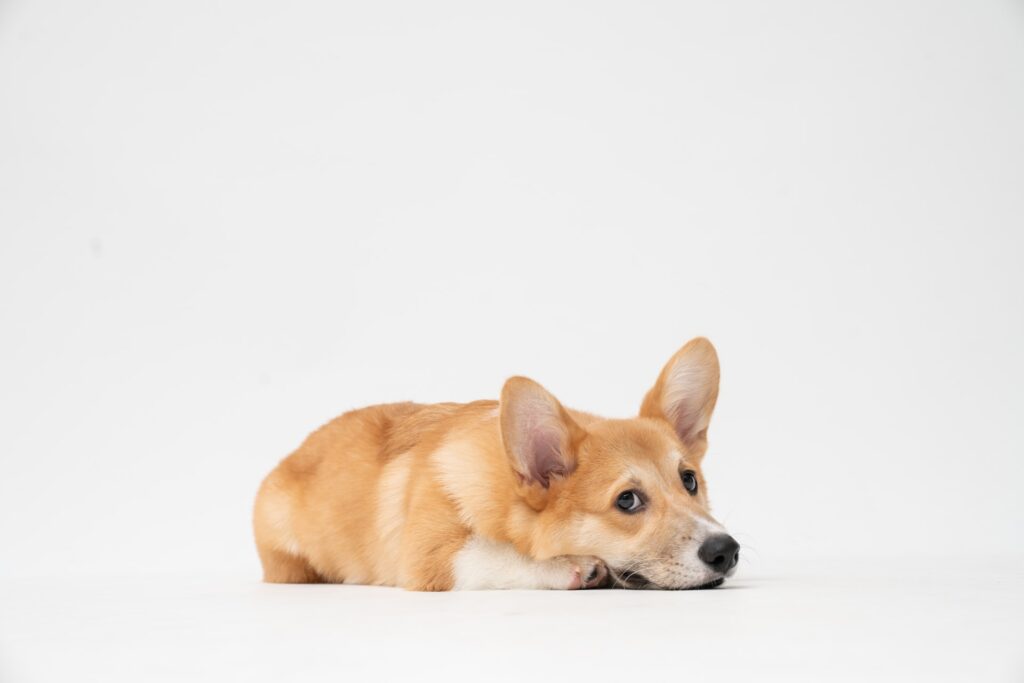
Dogs have the remarkable ability to spend a significant portion of their day sleeping and taking short naps. However, you may have noticed that your adorable furry companion seems to wake up at the slightest noise or disturbance, even when you try to keep things quiet. This may lead you to wonder whether it is your fault that your dog can’t sleep or if all dogs are naturally light sleepers. Let’s delve into the topic and explore why dogs tend to be light sleepers.
While dogs primarily sleep during the night, they also engage in multiple short naps throughout the day. However, the sleep patterns of dogs can be influenced by various factors, resulting in their tendency to wake up easily.
Those are just a few reasons that might explain why your dog is a light sleeper, so let’s take a closer look at all the possible 9 reasons why dogs are light sleepers and seem to wake up at slight disturbances.
9 Reasons Why Dogs Seem To Be Light Sleepers
Exploring the various reasons why dogs tend to be light sleepers can provide us with a better understanding of their behavior. It’s important to note that different dogs may exhibit light sleeping patterns due to a combination of factors, and each dog’s situation should be considered individually. Let’s delve into the nine common reasons why dogs are often light sleepers.
Reason 1: Dogs Sleep Multiple Times Throughout the Day
Dogs have a unique sleep pattern that differs from humans. They are considered polyphasic sleepers, which means they sleep in multiple blocks throughout a 24-hour period. Unlike humans who primarily sleep at night, dogs distribute their sleep across the day and night, with approximately 40% of their sleep occurring during the day.
While dogs take frequent naps throughout the day, they still require a significant portion of their sleep during the night. On average, dogs need around 12 hours of sleep per day, although this can vary depending on factors such as age and individual needs. Puppies and senior dogs may require even more sleep to support their growth and overall well-being.
Given their frequent sleep sessions, dogs may appear to wake up more often. These intermittent periods of wakefulness allow them to recharge and prepare for the activities and excitement that await them throughout the day. For a heartwarming example, watch the short video below showcasing the adorable bond between a puppy and a baby human during their peaceful sleep:
Reason 2: The Environment May Keep Dogs Awake
Similar to humans, dogs prefer to sleep in a calm and quiet environment. The surrounding conditions play a significant role in their ability to achieve restful sleep. If there are sudden loud noises or disturbances in the environment, dogs in the vicinity may appear to be light sleepers as they wake up in response to these stimuli.
Dogs possess a remarkable sense of hearing that surpasses that of humans. Their ears are structurally different, enabling them to detect sounds up to four times farther away than what humans can perceive. Additionally, dogs are capable of hearing higher-pitched noises that are beyond the range of human hearing.
While it may seem that our canine companions are light sleepers, it is possible that they are responding to sounds that we are unable to perceive. For instance, they might hear a pest making noise behind a wall near their sleeping area, prompting them to wake up. Dogs’ acute hearing abilities contribute to their alertness and sensitivity to auditory stimuli, potentially interrupting their sleep.
Reason 3: Some Dog Breeds Can Sleep More Than Others
It’s fascinating to observe how dog breeds not only influence temperament and energy levels but also play a role in determining their sleeping habits. While every dog has unique needs and preferences, their breed can provide a general understanding that may apply to individual dogs.
Certain dog breeds have a natural inclination to enjoy frequent napping throughout the day. These dogs are not designed to be constantly alert and active. For instance, breeds such as Greyhounds, Bernese Mountain Dogs, Bulldogs, Pugs, and many others are often observed napping during daylight hours.
While these breeds may be content to nap indoors for extended periods, it’s essential to ensure they still receive an appropriate amount of exercise on a daily basis.
Dog breeds offer valuable insights into why certain dogs exhibit specific behaviors. It is not uncommon to encounter a dog with hunting dog lineage that displays a strong desire to run or a herding dog that instinctively herds people in the household. Understanding breed tendencies can help provide appropriate care and enrichment for our canine companions.
Reason 4: The Trait Was Passed Down From Their Ancestors
Dogs share a common ancestry with wolves, and despite the long period of domestication, they still retain many behaviors inherited from their wolf ancestors.
Wolves are social animals that live in packs, relying on each other for protection and survival. Staying alert is crucial in their natural environment, and this instinct can be observed in dogs as well. Dogs may exhibit light sleeping patterns as a result of this inherent alertness passed down from their wolf ancestors.
However, it’s important to note that while dogs retain some wolf-like traits, their sleep patterns are not entirely identical. Research suggests that wolves experience more REM sleep, which is associated with dreaming in humans.
In addition to alertness during sleep, there are other behaviors that dogs may have inherited from their wolf ancestors. For instance, dogs often display an innate understanding of the dangers associated with fire and tend to keep a safe distance.
While dogs have undergone significant domestication, their ancestral heritage still influences certain behaviors and instincts. Understanding these traits can help us provide appropriate care and create a safe environment for our furry friends.
Reason 5: The Dog Was Trained To Be Alert
While certain dog breeds may naturally exhibit alertness, it’s important to recognize that training plays a significant role in shaping a dog’s behavior.
Different dogs are trained for various purposes and roles. Guard and working dogs, for example, undergo training to be vigilant and watchful, even during sleep. Similarly, some service dogs are trained to remain alert at night to assist their handlers.
Training any dog requires patience and consistency. It’s crucial to understand that dogs may not always comprehend what is expected of them, and it’s not their fault. With dedicated training, positive reinforcement, and the use of treats, dogs are capable of learning and accomplishing incredible things.
Through patient training, dogs can develop a heightened sense of alertness and respond to specific cues or commands. This training can help them fulfill their roles effectively and contribute to their overall well-being.
Reason 6: Dogs Can Be Protective
One possible reason why dogs appear to be light sleepers is their innate protective nature. Dogs may remain alert during sleep to ensure the safety of the people and possessions they hold dear. This protective instinct stems from their natural inclination to safeguard their owners and ward off potential threats.
The protective behavior exhibited by dogs can vary based on several factors. Breed characteristics can contribute to a dog’s tendency to be protective, but age, training, and individual personality also play significant roles. While certain breeds may be more predisposed to exhibit protective behaviors, it is important to note that each dog is unique and may display varying degrees of protectiveness.
Factors such as early socialization, positive reinforcement training, and the bond formed between a dog and its owner can also influence their protective instincts. Dogs perceive their owners as part of their pack and may feel compelled to keep a watchful eye, even during sleep, to ensure their pack’s safety.
Understanding and appreciating a dog’s protective instincts can foster a stronger bond between the owner and their furry companion. However, it is essential to strike a balance between encouraging protective behaviors and providing proper training and guidance to ensure they are displayed in appropriate situations.
Reason 7: Some Dogs Have Separation Anxiety
Separation anxiety is a common issue that affects a significant number of dogs and can cause distress for both the owners and the dogs themselves. Surprisingly, studies estimate that around 20% to 40% of dogs experience separation anxiety.
Separation anxiety occurs when dogs feel intense stress and anxiety when separated from their owners or companions. Dogs with separation anxiety may exhibit behaviors indicating their struggle to cope in the absence of their loved ones. They may become destructive, engaging in excessive chewing or scratching, or display signs of restlessness and agitation.
For some dogs, their light sleeping patterns may be attributed to their underlying separation anxiety. These dogs find it difficult to relax and rest fully unless they have the assurance of their owner or another animal companion’s presence. They may remain alert and vigilant, fearing that their owners may leave them alone.
Other signs of separation anxiety can include a dog sleeping in their owner’s spot or demonstrating clinginess by not wanting to leave their owner’s side suddenly. These behaviors stem from their fear and anxiety surrounding being separated from their trusted human companions.
Managing separation anxiety in dogs requires a comprehensive approach that may involve behavior modification techniques, desensitization exercises, and providing a secure and comforting environment. Consulting with a professional dog trainer or a veterinarian experienced in behavioral issues can be beneficial in addressing separation anxiety and helping dogs feel more secure and at ease when apart from their owners.
Reason 8: Your Dog Might Not Feel Well
When a dog deviates from their usual behavior, it could be an indication that they are not feeling well. Dogs may exhibit atypical actions as a way of communicating that something is amiss.
If a dog who typically enjoys sound sleep suddenly becomes a light sleeper, there is a possibility that they are experiencing discomfort or pain. They may be unable to find a comfortable position or feel restless due to an underlying issue.
It is crucial to closely observe your dog’s behavior and note any changes that deviate from their normal patterns. By doing so, you can distinguish between their unusual behavior and their typical behavior. If you notice any signs of illness or discomfort in your canine companion, it is recommended to reach out to your veterinarian for a professional assessment.
Veterinary professionals have the expertise to examine your dog, identify any potential health concerns, and provide appropriate medical care or treatment. Seeking prompt veterinary attention ensures that your dog’s well-being is prioritized and any health issues are addressed effectively.
Reason 9: It Depends On Age
Similar to humans, dogs undergo physiological changes as they age. As previously mentioned, puppies require a substantial amount of sleep and tend to take frequent naps compared to adult dogs.
Both puppies and senior dogs have a tendency to sleep more than adult dogs. However, it’s important to note that their sleep patterns differ. Puppies typically take short, frequent naps throughout the day, while senior dogs may be lighter sleepers due to increased napping during the day.
The age of your dog can significantly impact their sleep habits and overall sleep quality. As dogs transition through different life stages, their sleep patterns may naturally shift.
If you’d like to witness an adorable puppy indulging in a nap, take a moment to watch the following video:
Remember, providing appropriate rest and sleep conditions for dogs of all ages is essential for their overall well-being and vitality.
Should You Worry About Your Dog Being a Light Sleeper?
If you find yourself concerned about your dog’s sleeping habits, it’s essential to consider the context and environment in which they sleep. Understanding what is typical for your dog can help you determine if there are any underlying issues causing their light sleeping patterns.
In general, having a dog that is a light sleeper is not a cause for significant concern. However, if you suspect that their recent change in sleep behavior is due to discomfort from an injury or illness, it is crucial to seek veterinary attention to ensure their well-being.
If your dog’s light sleeping is attributed to separation anxiety, there are steps you can take to help them cope with their anxiety. Training, patience, time, and positive reinforcement can assist your pup in managing their anxiety when left alone. Gradually increasing the duration of time you spend away from them and providing rewards can help build their confidence in being independent.
Final Thoughts
Taking the time to observe your dog’s behavior can provide valuable insights into their unique personality and needs. Understanding the reasons behind their actions and sleep patterns allows you to provide better care and establish a stronger bond with your furry companion.
While there is no one-size-fits-all explanation for why dogs are light sleepers, it is worth noting that many dogs experience frequent awakenings due to their polyphasic sleep patterns. However, there can be other factors at play, such as environmental disturbances or underlying health issues, that contribute to their alertness during sleep.
If you have concerns or are unsure about whether your dog is being negatively affected by something, don’t hesitate to seek assistance from a professional. Consulting with a veterinarian or a certified dog behaviorist can provide valuable guidance and ensure your dog’s well-being.







Що принесе 2025 рік власникам тварин.
⚠️ We suggest that you read all the opinions on our portal and take note of them at your own discretion. Do not self-medicate! In our articles we collect the latest scientific data and opinions of authoritative experts in the field of health care. But remember: only a doctor can diagnose and treat.
The portal is intended for users over 13 years old. Some materials may not be suitable for children under the age of 16. We do not collect personal data from children under 13 without parental consent.We have a small request. We strive to create quality content about pet care, and we make it available for free to everyone because we believe everyone deserves accurate and useful information.
Advertising revenue only covers a small portion of our costs, and we want to continue to provide content without having to increase advertising. If you have found our content useful, please support us. It only takes a minute, but your support will help us reduce our reliance on advertising and create even more useful articles. Thank you!