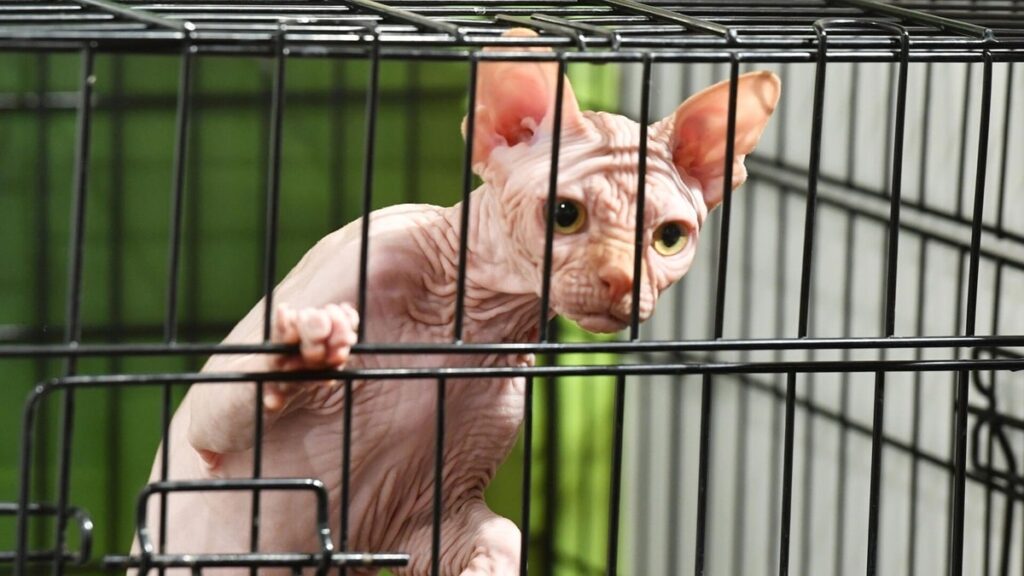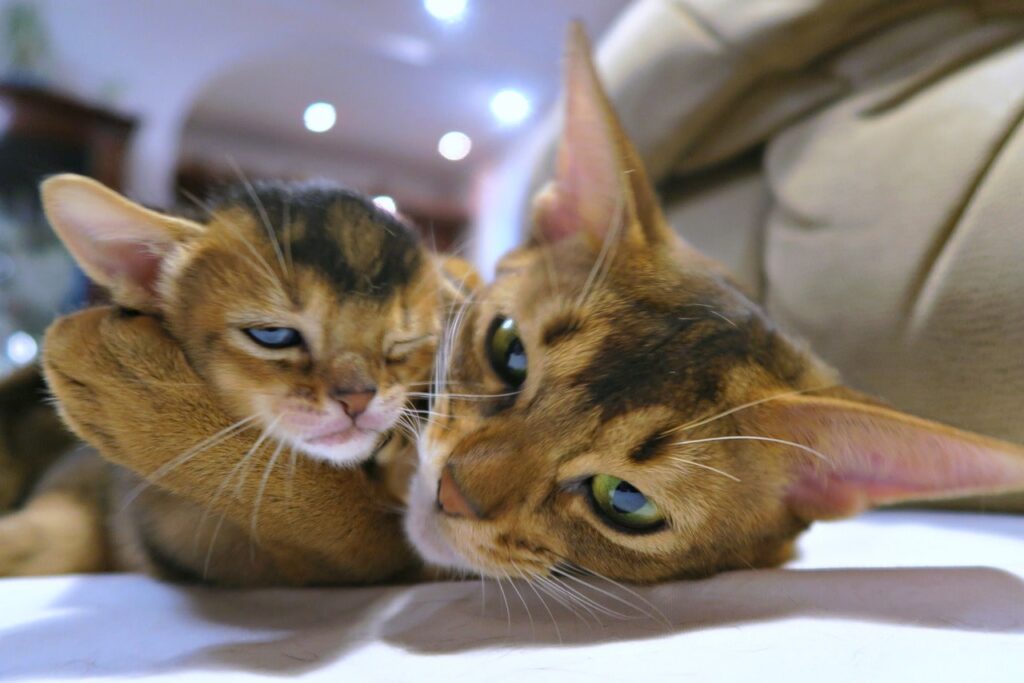
If you’ve ever visited a shelter during kitten season, you know how fun it is to see kittens meowing, climbing, and sprinting around the room. These cats are still juvenile but they are well past the newborn stage. That’s because, for the first couple of months, kittens depend on their moms for nearly everything. Those young kittens are not yet ready for their public debut.
Separating kittens from their moms sooner can affect their health, behavior, and temperament for the rest of their lives. Read on to understand what happens during kittens’ weaning process and when is the best age for them to leave their moms.
Understanding the Weaning Process
Newborn kittens get everything they need from their mom. She provides unlimited milk, grooms them, stimulates their toileting, and makes them feel secure. Weaning is when kittens go from drinking only their mother’s milk to eating solid food. This starts around 3–4 weeks of age and gradually increases until the kittens are eating 100% solid food. Kittens nurse from their mom for at least two months, and some may need three or four months before they’re weaned naturally.
But there is a lot more to the complete weaning process. Mom will slowly start to encourage independence in her kittens. Kittens will learn to toilet independently, groom themselves, and start playing and hunting behavior with their littermates. These young kittens learn how to be confident and social around other cats as well as people. This critical period of socialization occurs between two and eight weeks of age.
She may start to block their access to nursing by sitting on her belly or spending time away from them. This will probably be their first experience of frustration, but it helps them learn to fend for themselves. They’ll search for something else to try and might even take their mom’s food. All this occurs naturally and gradually, with the mother cat providing just the right amount of support her kittens need to navigate these changes confidently.
Delayed Weaning in Kittens
The most supportive environment for kittens to develop during the weaning and socializing period is with their mom and siblings. Kittens should not be separated from their mom before eight weeks of age. Most kittens go off to their new homes at 8–9 weeks old.
However, recent research has found that keeping kittens with their mothers for 12–14 weeks is better long-term. Kittens weaned later are:
- Less aggressive toward people and other cats
- Less shy and anxious in adulthood
- Less likely to develop behavioral problems (called stereotypical behaviors) such as over-grooming, wool-sucking, and eating foreign bodies
Kittens who nurse seven weeks or longer are less likely to become overweight in adulthood. Feline obesity is a growing problem in domestic cats and can lead to countless health problems and a shorter lifespan. Leaving kittens with their moms an extra few weeks could have significant benefits for their long-term health and happiness.
Signs of Readiness for Separation
It is important to remember that every kitten is an individual. We need to look for signs of readiness in each kitten before considering letting them leave their mother and go to their new home. Before separating a kitten from their mom, they must be:
- At least eight weeks old
- Fully weaned onto solid food and gaining weight consistently
- Using the litter box
- Grooming themselves
- Playing with their litter-mates confidently
- Happy being handled by people
While some kittens may be ready to leave their moms after eight or nine weeks, others will need longer. If you are adopting a new kitten, make sure you know the above information before bringing them home.
Most of the time, mom will be the best judge of how to wean her kittens off of her gradually. Offer the mom a private area with food, water, a litter box, and somewhere comfortable to rest. Provide kitten food for the kittens to encourage the transition to solid food.
Separating Kittens Too Soon
When kittens leave their moms too soon, it can lead to life-long issues. Kittens weaned early can develop higher levels of stress, aggression toward people and other cats, and shyness. They are more likely to develop behavioral issues related to these issues, like over-grooming, which can lead to significant health problems. As a result of not naturally losing the suckling instinct, they may also be more likely to eat or chew on things they shouldn’t. As above, they may also be more likely to become overweight adult cats.
While most scientific studies focus on what happens when kittens leave their moms too soon, being around their siblings is also important in those early weeks. Playing with siblings is how kittens learn to socialize. Separating from their littermates can lead to higher levels of aggression when older, even in kittens who are still raised with their mom.
Is Early Weaning Ever Better?
The later a kitten is weaned, the better. This is especially true for a kitten who may be slower than average to meet the signs of readiness for weaning.
But there are some scenarios where the best choice may be weaning earlier, such as:
- If the mother cat is unwell and needs to be separated from her kittens for her health (for example, severe cases of mastitis)
- If a kitten is unwell and needs care that cannot be given at home
- In cases of feral mother cats, where kittens may learn from her to be fearful of people
- When kittens are being raised in stressful or otherwise poor conditions
However, early weaning can have long-term consequences for a kitten. So, if you are thinking about separating a kitten from its mom before eight weeks old, discuss it with your veterinarian first.
Frequently Asked Questions
Research shows that a kitten should not leave its mom before eight weeks old. They should also be eating solid food 100% of the time and gaining weight, grooming themselves, using the litter box, and showing confident social skills with their siblings and people.
Although traditionally (and in many shelter situations) eight weeks is the usual time to re-home a kitten, research has shown there may be benefits to them staying with their moms a bit longer. This includes being more confident, less aggressive, as well as less likely to develop behavioral problems such as over-grooming and wool sucking.
So, if the mother cat is friendly and healthy, and they are being raised in a positive environment, taking your kitten home at twelve weeks could be better.
- Written by DR. NAT SCROGGIE MRCVS
- Fact checked by TAYLOR LE | SENIOR CONTENT EDITOR
![Tuna Water for Cats: Evaluating its Viability [Advantages & Disadvantages].](https://dbgjqnlcpw0cnuyguiucqr4do40p1pkv.cdn-freehost.com.ua/feeds/wp-content/uploads/2023/08/tuna-water-for-cats-evaluating-its-viability-advantages-disadvantages-300x200.jpg)









Наш аналіз 2025 року — щасливі тварини, щасливі люди.
⚠️ We suggest that you read all the opinions on our portal and take note of them at your own discretion. Do not self-medicate! In our articles we collect the latest scientific data and opinions of authoritative experts in the field of health care. But remember: only a doctor can diagnose and treat.
The portal is intended for users over 13 years old. Some materials may not be suitable for children under the age of 16. We do not collect personal data from children under 13 without parental consent.We have a small request. We strive to create quality content about pet care, and we make it available for free to everyone because we believe everyone deserves accurate and useful information.
Advertising revenue only covers a small portion of our costs, and we want to continue to provide content without having to increase advertising. If you have found our content useful, please support us. It only takes a minute, but your support will help us reduce our reliance on advertising and create even more useful articles. Thank you!