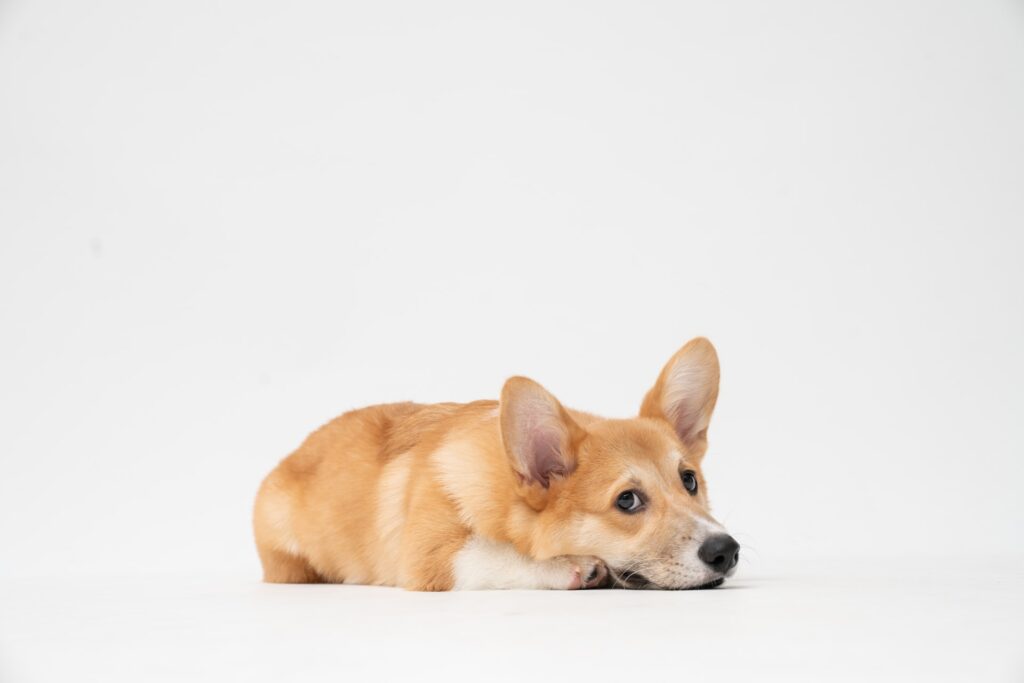
When trying to find the right dog for their lifestyle, most people start by considering specific breeds. But the conversation really starts with size first and the size of a breed can determine their lifespan, exercise requirements, health, and how likely they are to be injured.
So what size dog is best for most people?
Medium-sized dogs are usually the best for people since these breeds live a relatively long time, can handle a reasonable about exercise and aren’t so small that they can be easily injured. Of course, there’s more to consider but medium-sized dogs are a good starting point for most people.
Let’s take a look at some of the biggest factors to consider when thinking about the right size dog for you.
Understanding Lifespan When Picking Dog Size
One of the less obvious differences between big, small, and medium dogs comes down to lifespan and there can be a huge difference between dogs of different sizes.
Big dogs and giant breeds like Great Danes, Mastiffs, Irish Wolfhounds, and St. Bernards may only live 6 to 10 years. Rottweilers and other smaller but still very large breeds are a little better at 9 to 10 years.
On the other hand, small breeds like Chihuahuas and Dachshunds can live 14 to 20 years! Other small breeds like Jack Russel Terriers, Toy Poodles, Dachshunds, Shih Tzus, and many others can also regularly live more than 15 years.
Medium-sized dogs fall somewhere in between with Border Collies, Beagles, Australian Cattle Dogs, and Australian Shepherds living somewhere between 11 and 15 years on average.
We still don’t fully understand the mechanism that causes larger dogs to age more rapidly but it certainly seems to be connected to their rapid growth.
For folks trying to find the perfect dog, it’s a big consideration!
There’s never a good time for us to lose our best friends but for some people, 7 to 10 years simply isn’t enough time. This can be even more true if you have a family and need to consider how children and other family members will handle the loss.
While it may sound a bit grim, seniors and folks that are closer to the end of their own life may want to pick a dog with a lifespan that matches their own.
Again, losing your dog is something you never want to happen and there’s no right answer but it’s important to understand how size is connected to lifespan so you can make the best decision for your situation.
Exercise, Activity, and Dog Size
Are you a runner, hiker, or avid outdoor person that dreams of taking your dog with you while you explore the great outdoors?
Then a medium-sized dog like a Border Collie or Australian Cattle Dog is probably the best fit. Lage-medium dogs like Weimaraners or large-small dogs like many of the terriers could make a good choice, too.
On the other hand, large and giant breeds can be prone to orthopedic conditions and small dogs may not have the endurance needed for longer runs.
Additionally, giant breeds have such a long growth period that it can take as much as 20 months for their growth plates to fully close. Until their growth plates are closed, it’s not safe for puppies to go on any long runs or other exercise activities where they can’t easily take a break.
That means you could have to wait until your large or giant breed dog is at least 2 and a half years before it’s safe to take them on a strenuous hike or run!
Some small dogs can handle a run but the tiniest breeds like chihuahuas and Maltese have been bred as companions and not exercise partners.
Instead, a medium-sized dog from one of the working groups is a good choice for those who want a hiking partner.
It’s also worth considering whether or not you can physically manage a larger dog and everything from walking to going for a car ride can be more difficult with a very large and strong breed.
Small Dogs Can Be More Fragile Than Large or Medium Sized Dogs
While it’s easier to take your small dog with you everywhere from the airplane to the grocery store, smaller breeds can also be more prone to injury in some cases.
While a medium-sized Border Collie is unlikely to run into problems getting off the couch, a smaller breed like a Chihuahua could easily fracture one or both front limbs just from jumping off the couch.
This problem generally gets worse the smaller you go in terms of breed.
That makes some small or toy breeds a poor choice for families with young children that are still learning how to interact with their canine companion. The smallest breeds do best with ramps and other accessibility features to help them safely get around and not everyone is ready to make their home small dog friendly!
Medium Dogs Are Great All-Around Dogs For Most People
Even though we’re partial to bully breeds, I’ve found that for most folks, medium-sized dogs are a great starting point.
Medium-sized dogs are hardy, adaptable to a wide range of activities, and have a lifespan that’s compared to smaller breeds in some cases.
Of course, there are still other considerations like the costs of food, how much space you have, whether you plan on traveling with your dog, and so on but for most people, medium-sized breeds are a great starting point.
Closing Thoughts
It doesn’t matter if you’re talking about purebred dogs or a mixed mutt, size is one of the most important factors to consider.
At the extreme ends, size has a huge impact on lifespan and hardiness which is why most folks are usually happiest with a dog that’s in the middle of the size range.




![Do Cats Deter Cockroaches? [Safe or Risky Behavior?]](https://dbgjqnlcpw0cnuyguiucqr4do40p1pkv.cdn-freehost.com.ua/feeds/wp-content/uploads/2023/08/do-cats-deter-cockroaches-safe-or-risky-behavior-300x228.jpg)




Наш аналіз 2025 року — щасливі тварини, щасливі люди.
⚠️ We suggest that you read all the opinions on our portal and take note of them at your own discretion. Do not self-medicate! In our articles we collect the latest scientific data and opinions of authoritative experts in the field of health care. But remember: only a doctor can diagnose and treat.
The portal is intended for users over 13 years old. Some materials may not be suitable for children under the age of 16. We do not collect personal data from children under 13 without parental consent.We have a small request. We strive to create quality content about pet care, and we make it available for free to everyone because we believe everyone deserves accurate and useful information.
Advertising revenue only covers a small portion of our costs, and we want to continue to provide content without having to increase advertising. If you have found our content useful, please support us. It only takes a minute, but your support will help us reduce our reliance on advertising and create even more useful articles. Thank you!