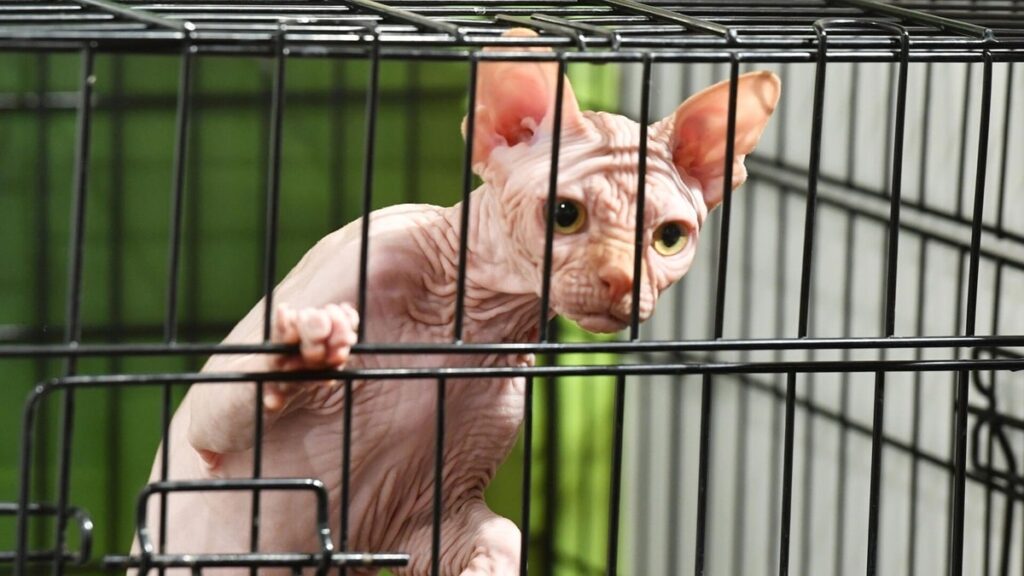
Cats can develop unsightly sores on their lips, commonly referred to as rodent ulcers. However, these ulcers aren’t typically caused by rodents and are not inherently dangerous. Instead, they usually result from allergic reactions or discomfort triggered by external factors like fleas.
While these ulcers can sometimes bleed, cats generally don’t experience significant pain due to them. Nonetheless, it’s essential to address the issue by consulting a veterinarian, even if it’s not an urgent situation.
This condition is often termed “rodent ulcer,” although it has no direct link to rats or mice, despite its name. Instead, these unpleasant and often painful lesions can appear on a cat’s lips, chin, inside the mouth, and occasionally on other parts of the body. These lesions result from allergic reactions that can have various underlying causes.
The primary culprits behind rodent ulcers are often sensitivities to fleas, dietary issues, chemicals found in rubber or plastic bowls, environmental pollutants, synthetic substances in cat litter, or a weakened immune system, as seen in cats infected with feline immunodeficiency virus (FIV). Without treatment, this condition can lead to permanent disfigurement.
The misconception that rodent ulcers are caused by rodent bites has perpetuated the term “rodent ulcer.” To avoid reinforcing this idea, the veterinary field is increasingly adopting the term “indolent ulcer.”
Rodent ulcers can suddenly and alarmingly emerge, often catching cat owners off guard. The sudden and gruesome appearance might lead pet owners to worry that their cat has suffered an injury.
Why Does My Cat Keep Developing Rodent Ulcers?
Rodent ulcers are relatively easy to identify, simplifying the diagnostic process. Veterinarians can often diagnose the condition based on clinical symptoms and physical examination findings alone.
Inactive ulcers are often instigated by white blood cells known as eosinophils, which arrive at the scene and provoke inflammation. Collagen deficiency can also contribute to ulceration.
If a more precise diagnosis is required or desired, your veterinarian may conduct cytology tests. These tests can involve collecting samples using transparent tape or employing a technique called fine-needle aspiration to extract cells from the lesion, which are then examined under a microscope.
If the underlying irritant is removed, rodent ulcers may be caused by an allergy, hypersensitivity, or infection. This proactive approach can prevent recurrence and facilitate a complete recovery. The prognosis for a cat with this condition varies depending on the severity and responsiveness of the underlying issue.
In rare cases, rodent ulcers may be linked to a more serious underlying condition, necessitating further investigation. Potential causes could include toxin-induced hypersensitivity to external parasites, bacterial or fungal infections, autoimmune diseases, or feline leukemia.
Hypersensitivity, a medical term for allergies, is the most common underlying cause of indolent ulcers. Flea allergy is the most prevalent, but less common sources such as allergies to non-food substances, food allergies, or hypersensitivity to insect bites can also be responsible.
Excessive licking can exacerbate indolent ulcers, which typically start as gum thickening. In many instances, the cat’s upper or lower lip may appear swollen, affecting either half or the entire lip. Additionally, the lower lip’s position can create the illusion that the cat is continually sticking out its tongue.
How Long Does it Take for a Cat’s Rodent Ulcer to Heal?
Remission of an inflamed rodent ulcer in a cat can be achieved through dietary elimination and a four-week course of antibiotic therapy. During the investigation of the underlying condition, symptomatic anti-inflammatory medications can aid in resolving these lesions.
When a cat harbors rodent ulcers, discomfort may accompany them, leading to behavioral changes like hiding or aggression. It’s crucial to observe for these sores and promptly consult a veterinarian if you notice any significant shifts in your cat’s behavior, such as reduced grooming.
If your feline companion develops sores on its lips or inside its mouth, seeking veterinary attention is the wisest course of action. Diagnosing rodent ulcers is straightforward and typically entails a thorough examination by your veterinarian.
In some instances, a biopsy may be necessary to rule out malignant lesions, a step taken when the ulcers do not respond to standard treatment.
Steroid injections are often the preferred treatment for cat rodent ulcers. Your veterinarian will administer these injections to facilitate ulcer resolution, typically at intervals of two to three weeks until the sores have vanished.
Prednisone can also be prescribed to treat rodent ulcers in cats. However, it may take several days for the lesions to completely disappear, so your veterinarian may recommend daily oral tablets.
Depending on the circumstances, ulcers can become infected. In such cases, your veterinarian may prescribe antibiotics to address the infection and promote ulcer healing. Ensure you adhere to the antibiotic regimen as directed by your vet.
Some veterinarians believe that essential fatty acids can alleviate symptoms in cats with stress and allergies. If your cat’s diet lacks adequate omega-3 fatty acids, consider altering their diet or providing a supplement as advised by your veterinarian.
Do Rodent Ulcers in Cats Resolve Spontaneously?
Rodent ulcers do not typically heal on their own. Veterinary treatment often includes antibiotics, antifungal medications, and short-term courses of anti-inflammatory steroids.
If rodent ulcers result from underlying conditions such as feline leukemia or autoimmune disorders, your veterinarian will address these issues as part of the treatment plan.
In most cases, rodent ulcers are mild and will resolve independently within a few weeks or months. However, some ulcers may persist, causing ongoing discomfort.
Pain and discomfort can reduce a cat’s appetite, leading to weight loss and physical weakness. Additionally, if left untreated, an upper lip ulcer can expand, affecting a more extensive area and creating an unsightly appearance.
Tissue samples may be required to rule out malignancies or confirm the visual examination’s findings. Elevated eosinophil counts in the blood can also serve as diagnostic clues.
The primary goals of rodent ulcer treatment are to eliminate existing lesions and prevent recurrence. The most effective treatment for rodent ulcers often involves an intensive course of glucocorticoid medications.
Prednisone, an anti-inflammatory medication that suppresses the immune system, is frequently employed in treating these ulcers. In some cases, a biopsy may be taken from a surgically removed rodent ulcer.
While some cats may experience recurrent lip ulcers requiring multiple treatments, others may see these ulcers diminish as they age.
In most circumstances, once successfully treated, rodent ulcers do not tend to recur. However, it’s important to remain vigilant for potential causes of skin ulcers, such as flea bite allergies or food sensitivities.
How to Eliminate a Rodent Ulcer in Cats
To address a rodent ulcer, a local anesthetic is applied to numb the affected area before a surgical procedure is performed to remove it. A small section of adjacent skin and tissue is carefully excised to ensure complete removal of the ulcer.
Following the procedure, a light bandage is applied to the wound, and you can then return home. The entire treatment typically lasts less than 30 minutes, although the exact duration may vary based on individual circumstances.
In addition to surgical intervention, your veterinarian may prescribe oral prednisone to treat rodent ulcers in your cat. You’ll be given instructions on how to administer this medication, usually with a regimen of oral tablets to be taken every 24 hours until the lesions have completely healed. It is vital to follow your veterinarian’s guidance regarding the medication dosage and schedule.
In certain situations, rodent ulcers may become infected. If infection occurs, your veterinarian may prescribe antibiotics to address both the infection and the ulcers. It’s imperative to adhere to the prescribed antibiotic regimen precisely as directed by your vet.
Some veterinarians suggest that incorporating essential fatty acids into a cat’s diet can help them manage stress and reduce allergic reactions. If you suspect your cat’s diet lacks adequate fatty acids, consult with your veterinarian. They may recommend dietary changes or supplements to address this deficiency.
Rodent ulcers often have an underlying cause, frequently related to allergies. If the ulcers reoccur and the cause is unclear, consult your veterinarian for further evaluation and treatment.
Food allergies can exacerbate rodent ulcers in some cats. To determine if food is the culprit, consult your veterinarian for assistance with a food allergy trial. Once the trigger is identified, switch your cat’s diet accordingly to prevent future outbreaks.
Consider using stainless steel food bowls instead of plastic or rubber ones, as some rodent ulcers may result from an allergy to materials like plastic or rubber. Stainless steel bowls are less likely to trigger allergies, providing a safer option for your cat’s feeding needs.
In lieu of a conclusion
Instead of a traditional conclusion, let’s emphasize the key takeaways:
- Consult Your Veterinarian: If your cat develops rodent ulcers, seek professional veterinary guidance. Proper diagnosis and treatment are essential.
- Medical Procedures: Rodent ulcers may require surgical removal under local anesthesia. Follow your vet’s instructions for medication administration, which may include oral prednisone or antibiotics in case of infection.
- Dietary Considerations: Fatty acid supplements or dietary changes may assist in managing allergies and stress in cats. Consult with your vet for dietary recommendations.
- Persistent Ulcers: If rodent ulcers reoccur or persist, consult your veterinarian for further evaluation and treatment. Identifying and addressing underlying causes, such as food allergies, is crucial.
- Bowl Material: Opt for stainless steel food bowls over plastic or rubber ones to reduce the risk of allergies triggering rodent ulcers.
Remember that your cat’s health and well-being should always be a top priority, and your veterinarian is your best resource for addressing any concerns or health issues.
Rodent ulcers in cats are inflamed lesions on the lips or mouth. They typically result from allergic reactions or other irritants.
Rodent ulcers are not usually dangerous, but they can lead to discomfort and disfigurement if left untreated.
Yes, it’s advisable to consult a veterinarian for a proper diagnosis and treatment plan.
A veterinarian can diagnose rodent ulcers through a physical examination of the lesions on your cat’s lips or mouth.
Treatment may involve surgical removal, steroid injections, or oral medications like prednisone, depending on the severity of the ulcers.
Yes, in some cases, rodent ulcers can become infected. Your veterinarian may prescribe antibiotics to address infection.
Some cats benefit from dietary changes, including essential fatty acid supplements. Consult your vet for dietary recommendations.
Identifying and addressing underlying causes, such as allergies, is crucial to prevent recurrence. Stainless steel food bowls may help reduce allergenic triggers.
Yes, if left untreated, rodent ulcers can result in permanent disfigurement, particularly if they become chronic.
Regular veterinary check-ups are essential to monitor your cat’s condition and ensure there are no recurrences or new issues related to rodent ulcers. Your vet will provide guidance on the appropriate follow-up schedule.






Сучасні підходи до виховання домашніх улюбленців у 2025.
⚠️ We suggest that you read all the opinions on our portal and take note of them at your own discretion. Do not self-medicate! In our articles we collect the latest scientific data and opinions of authoritative experts in the field of health care. But remember: only a doctor can diagnose and treat.
The portal is intended for users over 13 years old. Some materials may not be suitable for children under the age of 16. We do not collect personal data from children under 13 without parental consent.We have a small request. We strive to create quality content about pet care, and we make it available for free to everyone because we believe everyone deserves accurate and useful information.
Advertising revenue only covers a small portion of our costs, and we want to continue to provide content without having to increase advertising. If you have found our content useful, please support us. It only takes a minute, but your support will help us reduce our reliance on advertising and create even more useful articles. Thank you!