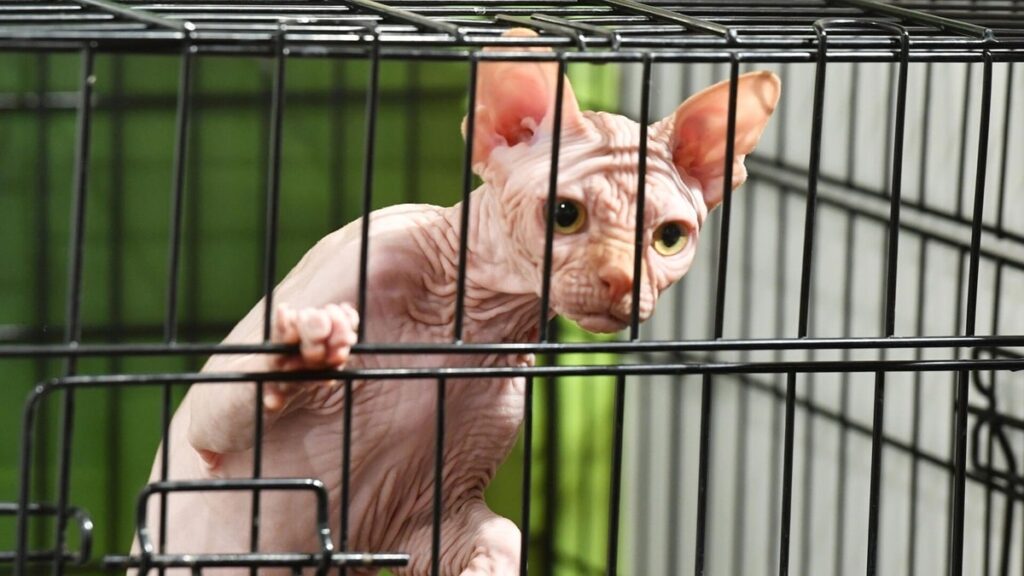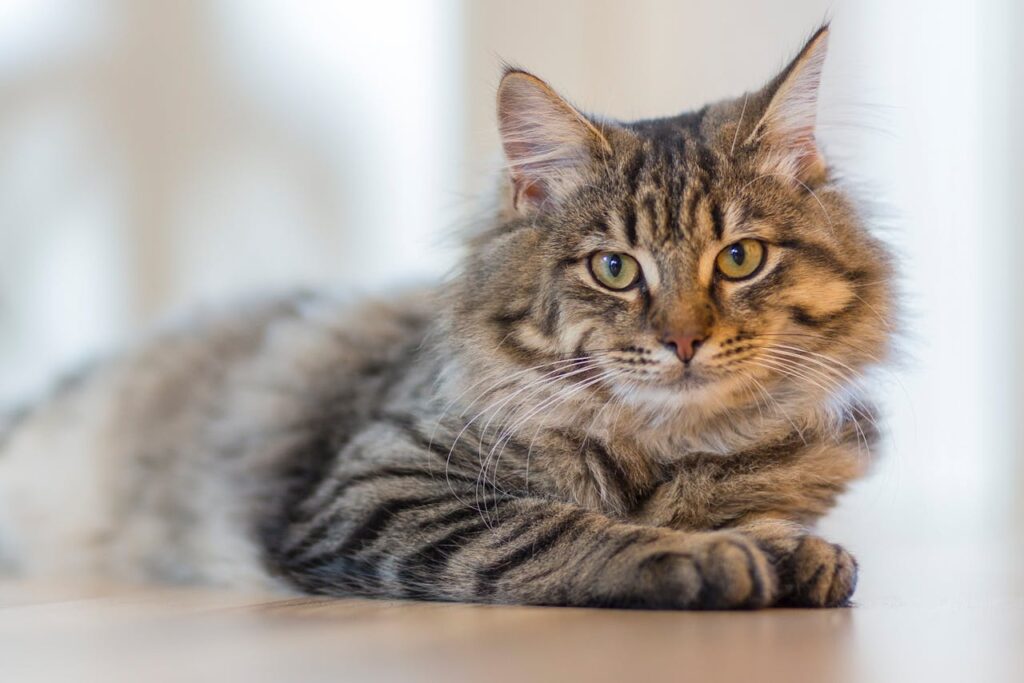
Pododermatitis, also known as “pillow foot,” is a condition where inflammation affects the foot pads of cats. This can occur in cats of any age, breed, or gender. The inflammation is thought to be triggered by an underlying infection or an abnormal immune response. If you suspect your cat has this condition, it’s crucial to consult a veterinarian promptly. Untreated pododermatitis can lead to secondary infections and severe pain, with the potential to cause significant damage and lameness in advanced cases. This condition is often associated with other health issues such as renal amyloidosis (kidney disease) or plasma cell stomatitis (a disease affecting the mouth).
What Causes Pododermatitis?
Pododermatitis occurs when the immune system mistakenly targets the cat’s foot pads, leading to inflammation. Plasma cells, which are mature white blood cells produced by the immune system, accumulate in the foot pads. This overproduction causes the immune system to attack the cat’s own tissues, resulting in swelling and pain.
Symptoms of Pododermatitis in Cats
Symptoms can vary in severity. In mild cases, a cat may not show much discomfort, but often, the following signs are observed:
- Swollen, “mushy” foot pads
- Bruising or a purplish color on the foot pads
- Ulcerations on the foot pads
- Lameness or difficulty walking
- Cracks or splitting of the foot pads
- Tenderness to touch
- Lethargy
- Loss of appetite (anorexia)
- Excessive licking of the paws
- Bleeding from the paws
Causes of Pododermatitis in Cats
The exact cause of pododermatitis is not fully understood, but it is believed to involve immune system dysfunction. Possible causes include:
- Immune system disorders
- Allergic reactions to certain types of litter
- Feline Immunodeficiency Virus (FIV), which affects over 50% of cats with pododermatitis
- Feline Leukemia Virus (FeLV)
- Calicivirus
- Feline Infectious Peritonitis (FIP)
Diagnosing Pododermatitis in Cats
If you notice symptoms of pododermatitis, schedule an appointment with your veterinarian. Provide a complete medical history to help with diagnosis. The veterinarian will perform a physical examination of your cat’s feet. Diagnosis often involves:
- Blood Tests: A complete blood count (CBC) and biochemical profile to check for anemia and increased levels of lymphocytes and globulin antibodies.
- Differentiation: Identifying pododermatitis from other conditions like insect bites or tumors.
- Biopsy: A sample of the inflamed foot pad may be taken for histopathological examination to confirm the presence of increased plasma cells.
- Virus Testing: Screening for FIV and FeLV.
Treatment Options for Pododermatitis in Cats
Treatment varies based on the severity of the condition:
- Antibiotics: Long-term use of antibiotics like doxycycline can help, as it may regulate the immune system. About half of the cats with pododermatitis show improvement with this treatment.
- Steroids: Medications such as prednisone or glucocorticoids can help manage underlying immune disorders. For long-lasting effects, injections of methylprednisolone acetate may be used.
- Surgery: In severe cases with ulcerations, surgical removal of the affected tissue might be necessary, requiring general anesthesia.
Recovery and Management
Post-surgery, adhere to all care instructions provided by your veterinarian. This includes:
- Keeping the affected paws clean and limiting your cat’s activity to avoid complications.
- Monitoring the surgical site for signs of infection.
- Ensuring the litter box is kept extremely clean, possibly switching to a more natural litter.
- Administering medications as prescribed and attending follow-up appointments to monitor progress and adjust treatments if needed.
Additional supportive care may include anti-inflammatory supplements and topical treatments to soothe the affected paws. Spontaneous recovery is possible, and many cats can lead normal lives post-treatment. However, if your cat has a feline virus, the prognosis may be less favorable. Regular veterinary care and proper management are key to ensuring the best outcome for your cat.
Frequently Asked Questions (FAQ) About Pododermatitis in Cats
Pododermatitis, also known as “pillow foot,” is a condition characterized by inflammation of the foot pads. This inflammation can affect all four pads simultaneously and is often caused by an abnormal immune response or underlying infection.
Symptoms may include swollen, “mushy” foot pads, bruising or purplish discoloration, ulcerations, lameness, splitting of the pads, tenderness, lethargy, loss of appetite, excessive licking, and bleeding from the paws.
The exact cause is not fully understood, but it is believed to involve a malfunctioning immune system. Known factors include immune disorders, reactions to certain litter materials, Feline Immunodeficiency Virus (FIV), Feline Leukemia Virus (FeLV), calicivirus, and Feline Infectious Peritonitis (FIP).
Diagnosis involves a physical examination by a veterinarian and may include blood tests to check for anemia and elevated levels of lymphocytes and globulin antibodies. A biopsy of the inflamed foot pad may be required to confirm the diagnosis, and tests for viruses like FIV and FeLV might be conducted.
Treatment depends on the severity of the condition. Mild cases may be treated with less aggressive methods, while more severe cases might require antibiotics, steroids, or even surgical removal of ulcerations. The choice of treatment will be based on the cat’s overall health and the underlying cause of the inflammation.
Antibiotics, such as doxycycline, can be effective in managing pododermatitis, especially if the condition is related to an immune system reaction. Long-term courses of antibiotics have been shown to help improve symptoms in many cases.
Yes, steroids like prednisone or glucocorticoids can help manage the inflammation associated with pododermatitis. In some cases, injections of methylprednisolone acetate may be used for longer-lasting effects.
If surgery is required, follow the veterinarian’s post-operative care instructions carefully. Keep the affected feet clean, limit the cat’s activity, and monitor the surgical site for signs of infection. Ensure the litter box is kept clean and consider switching to a natural litter.
Support your cat’s recovery by administering medications as prescribed, attending follow-up appointments, and considering anti-inflammatory supplements. Topical treatments, like moisturizers and soaking cracked paws, can help soothe soreness.
Many cats with pododermatitis can recover and lead normal lives, especially with appropriate treatment and management. However, if the cat has a concurrent feline virus, the prognosis might be less favorable. Regular veterinary care and monitoring are essential for a positive outcome.
Актуальні тенденції у світі домашніх улюбленців 2026.



⚠️ We suggest that you read all the opinions on our portal and take note of them at your own discretion. Do not self-medicate! In our articles we collect the latest scientific data and opinions of authoritative experts in the field of health care. But remember: only a doctor can diagnose and treat.
The portal is intended for users over 13 years old. Some materials may not be suitable for children under the age of 16. We do not collect personal data from children under 13 without parental consent.We have a small request. We strive to create quality content about pet care, and we make it available for free to everyone because we believe everyone deserves accurate and useful information.
Advertising revenue only covers a small portion of our costs, and we want to continue to provide content without having to increase advertising. If you have found our content useful, please support us. It only takes a minute, but your support will help us reduce our reliance on advertising and create even more useful articles. Thank you!