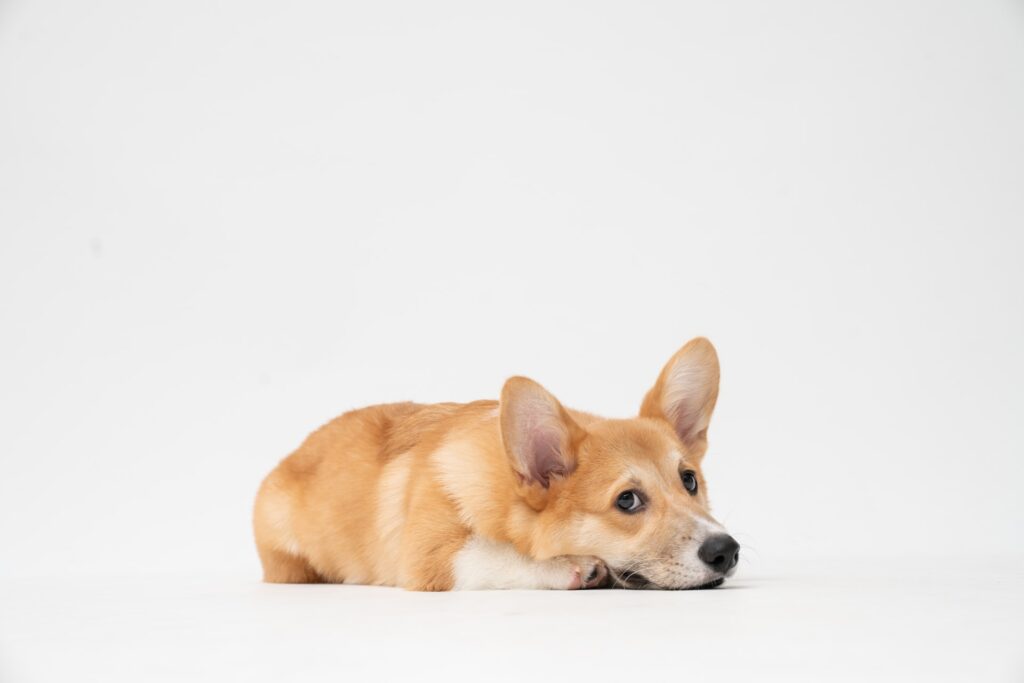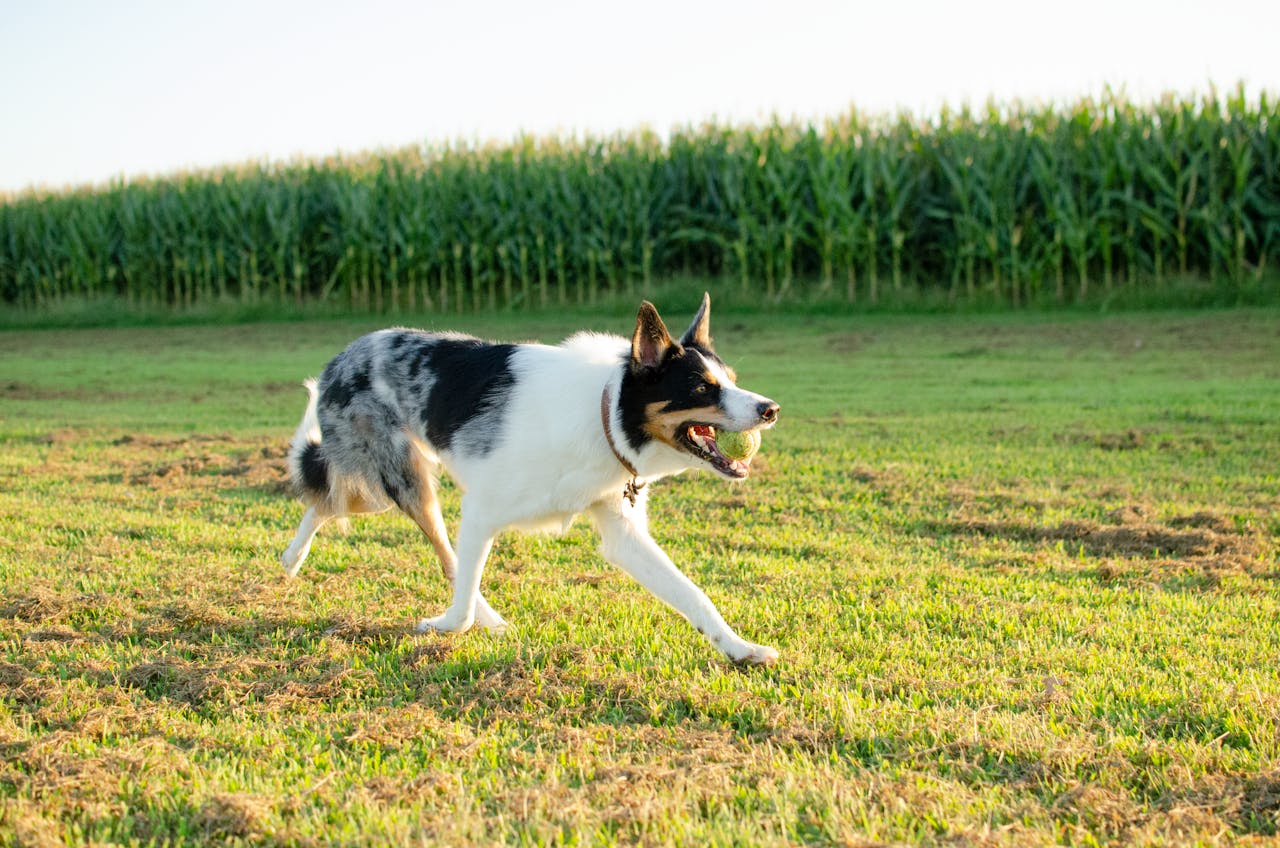
Training your dog is not only key to ensuring good behavior, but also an important part of its overall health and well-being. Like humans, dogs go through different stages of life, each of which requires special attention and a specific approach to training and upbringing. In this article, we will look at the specifics of training by age group, discuss key aspects of raising a dog at different stages of its life, and offer tips for effective training and development of your pet depending on its age. Training and raising a dog is a continuous process that requires patience, consistency, and love on the part of the owner.
Puppy (0-6 months)
During this period, the puppy is actively learning about the world around them, forming their skills and habits, so it is important to guide their behavior correctly and teach them the necessary skills. Here are some key aspects of training a puppy at this age:
- Training basics: The puppy needs to start learning basic commands such as “sit,” “lie down,” “stand,” “no,” and “go to your place.” These commands will help it understand what you expect from it and establish proper communication between you.
- Toilet training: At this age, puppies are not yet able to control their bladder and bowels, so it is important to teach them to go to the lawn or another designated toilet area. Create a regular walking schedule and praise them when they do their business outside.
- Socialization: This is an important time for your puppy to socialize with other dogs, people, and the environment. Introduce him to different sounds, smells, and textures, and provide opportunities for interaction with other dogs and people to develop confidence and social skills.
- Play and physical activity: Puppies need opportunities to play and develop. Provide them with safe toys to chew and play with, as well as time for free running and active play so they can expend energy and develop their muscles.
- Proper nutrition: Provide your puppy with high-quality, balanced nutrition appropriate for its age and needs. Monitor portion sizes and diet to support its growth and development.
- Leash training: Introduce your puppy to wearing a collar and leash, and begin training it to walk outside. Teach it to walk beside you and respond to your commands.
- Positive reinforcement: Always use positive reinforcement during training, rewarding desired behavior with treats, praise, or play.
- Patience and consistency: Training a puppy requires patience and consistency. Be patient and consistent in your training, remembering that this is a process of learning and development.
- Veterinary care: Don’t forget to take your puppy to the vet regularly for health checks, vaccinations, and preventive care.
- Love and care: And, of course, surround your puppy with love, care, and attention. Your puppy needs your care and support to grow into a happy, healthy, and confident dog.
Young age (6-18 months)
During this period, your pet continues to learn and adapt to the world around them, and your job as an owner is to provide them with proper training, socialization, and care. Here are some key things to keep in mind when training and raising a dog at this age:
- Further training in commands: At this age, your dog should already be familiar with basic commands, but training should continue. Reinforce the skills you have already taught and add new ones, such as “heel,” “sit,” and others, depending on your needs and goals.
- Socialization: Continue to actively socialize your pet by exposing them to different people, animals, and situations. This will help them develop confidence and adapt to different environments.
- Physical activity: At this age, dogs need sufficient physical activity and play to burn off energy and develop muscles. Regular walks, outdoor games, and training contribute to its health and good mood.
- Leash training: Continue training your dog to walk alongside you on a leash and respond to your commands in various outdoor situations.
- Training without a collar: Gradually accustom your pet to being trained without a collar and teach them to obey your commands without visual cues.
- Toys and stimulation: Provide your puppy with a variety of toys so they can entertain themselves and prevent them from destroying furniture and other items in your home.
- Proper nutrition: Continue to monitor your dog’s diet and food quality, taking into account its growth and activity level. Consult your veterinarian for recommendations on the optimal diet.
- Positive reinforcement: Use positive reinforcement and rewards for desired behaviour to motivate your pet and strengthen your bond.
- Healthcare: Maintain regular visits to the vet for health checks, vaccinations and disease prevention.
- Love and care: It is important to continue surrounding your dog with love, care and attention so they feel happy and secure.
Adult dog (1–7 years old).
An adult dog is a fully grown pet that has stabilised physically and emotionally. During this period, they need constant care, attention and training to stay healthy, happy and well-behaved. Let’s take a look at some important aspects of caring for an adult dog.
- Physical activity: Adult dogs need regular physical activity to stay healthy and in a good mood. Activities such as walking, running and playing outdoors help your dog to burn energy, maintain cardiovascular and muscular health, and prevent excess weight gain.
- Proper nutrition: It is important to monitor your dog’s diet at this age to ensure it is balanced and meets their needs. Consult your vet to determine the optimal diet for your pet, taking into account their age, breed, activity level and health status.
- Regular visits to the vet: Adult dogs need regular check-ups for vaccinations and screening for diseases or conditions that require medical intervention. These visits will help to identify health problems early on and prevent them from developing.
- Training and socialisation: Adult dogs also need ongoing training and socialisation. Continue to reinforce commands, add new exercises and develop skills to keep your pet obedient and well behaved.
- Teeth and coat care: Maintain your dog’s daily dental hygiene by brushing their teeth regularly and providing special chew bones or toys to maintain oral health. Also, brush and comb your pet’s coat regularly to prevent matting and reduce the risk of skin problems.
- Socialization and interaction: Continue to socialize your dog by exposing it to other animals, people, and different situations. This will help your dog remain friendly, confident, and well-adjusted to its environment.
- Love and attention: Don’t forget the importance of love, care, and attention for your dog. Spend time with them, play, train, and simply enjoy each other’s company. This will help strengthen the bond between you and make your dog happier and more content.
Mature age (7+ years):
A dog that has reached maturity deserves special attention and care from its owner. At this stage of their life, they need extra care and support to maintain their health and quality of life. Let’s take a look at some important aspects of caring for a dog in its senior years.
- Medical examinations: It is especially important at this age to visit the vet regularly for preventive examinations and check-ups. The vet can detect and treat various age-related issues, such as arthritis, heart or kidney disease, and problems with vision or hearing. This will prolong your pet’s life and improve its quality of life.
- Balanced diet: As your dog gets older, they may need a change in their diet. Consult your veterinarian for recommendations on creating a balanced diet that takes into account your pet’s age-related needs. Their food should be rich in nutrients and easily digestible to provide energy and support their health.
- Physical activity: Although activity levels may decrease with age, regular walks and light physical activity are still important for maintaining your dog’s health and mobility. Consider your pet’s individual needs and adjust their physical activity program accordingly.
- Dental and coat care: Maintain your dog’s daily dental hygiene and brush their teeth regularly to prevent oral disease and reduce the risk of plaque and tartar buildup. Also, brush and groom your pet’s coat regularly to reduce shedding and prevent matting.
- Socialization and interaction: Keep your dog socialized by exposing them to other animals and people. This will help them stay friendly and confident, and lower the risk of stress and anxiety.
- Comfortable living: Provide your pet with a comfortable living environment. Consider their need for warmth, peace and safety. Make sure they have a soft place to rest and provide them with access to fresh water and food.
- Love and care: Older dogs need special attention and care. Spend time with your pet, play with them, exercise them and simply enjoy their company. Your love and care will help them to feel safe and happy throughout their mature years.
Training a dog at different stages of its life is an important, ongoing effort aimed at creating a harmonious human-pet relationship. From puppyhood to adulthood and old age, each stage requires a different approach. Understanding the characteristics of each stage will help owners provide their dogs with proper training, development and care, contributing to their health and happiness. Remember that the key elements of successful training are patience, consistency and love for your four-legged friend. Strengthen your bond with your dog by developing positive skills throughout its life.







Турбота, любов і хвостики — наші тренди 2025.
⚠️ We suggest that you read all the opinions on our portal and take note of them at your own discretion. Do not self-medicate! In our articles we collect the latest scientific data and opinions of authoritative experts in the field of health care. But remember: only a doctor can diagnose and treat.
The portal is intended for users over 13 years old. Some materials may not be suitable for children under the age of 16. We do not collect personal data from children under 13 without parental consent.We have a small request. We strive to create quality content about pet care, and we make it available for free to everyone because we believe everyone deserves accurate and useful information.
Advertising revenue only covers a small portion of our costs, and we want to continue to provide content without having to increase advertising. If you have found our content useful, please support us. It only takes a minute, but your support will help us reduce our reliance on advertising and create even more useful articles. Thank you!