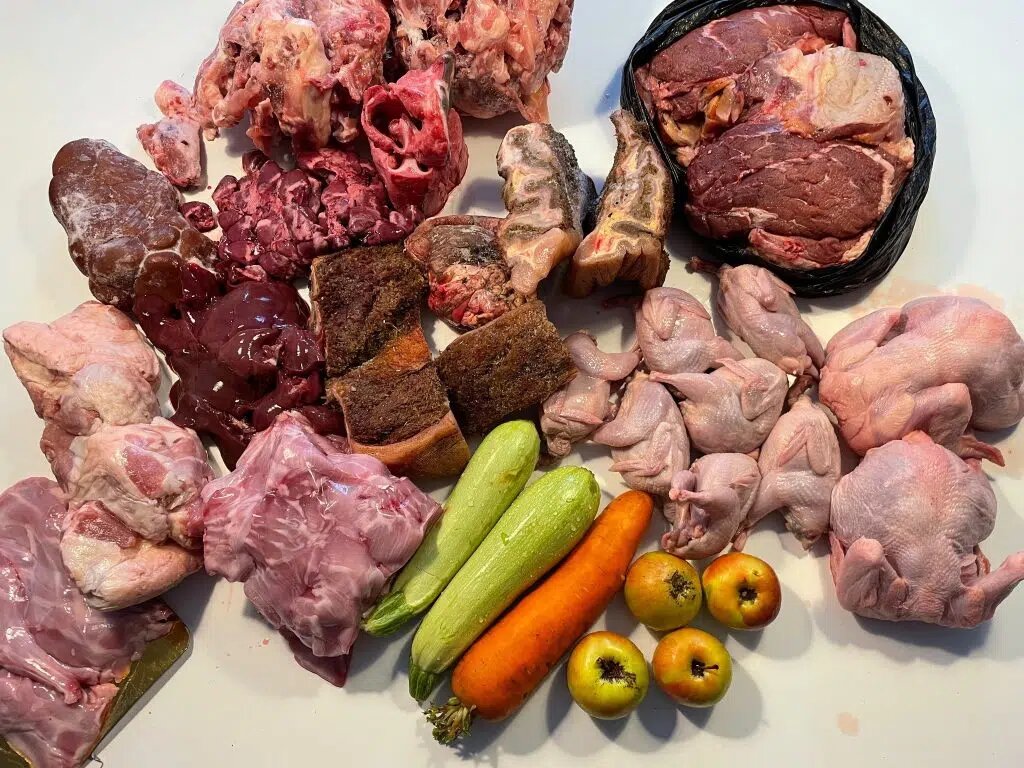
Embarking on the intricate journey of canine nutrition can be a daunting endeavor for dog owners. While the limelight often shines on protein and fats, fiber quietly emerges as a crucial player. This indispensable nutrient assumes a multifaceted role in safeguarding your dog’s well-being, extending from promoting effective digestion to weight management. In this comprehensive guide, we embark on a deep exploration of the significance of fiber, debunk common misconceptions regarding canine dietary needs, and furnish practical advice on seamlessly integrating fiber into your dog’s diet.
Are Dogs Truly Carnivorous or Do They Embrace Omnivorous Tendencies?
The initial misconception to dispel revolves around the notion that dogs are purely carnivorous creatures. While it holds true that dogs share ancestral ties with wolves, centuries of domestication have wielded substantial influence over their dietary requirements and preferences. With the passage of time, dogs have made the evolutionary shift towards omnivorous tendencies, enabling them to proficiently digest an array of foods, encompassing both animal and plant-based fare.
This transition towards omnivorous inclinations underscores the importance of crafting a well-rounded dietary regimen for your dog. Such a regimen should encompass a harmonious blend of animal and plant proteins, carbohydrates, beneficial fats, as well as vital vitamins and minerals. Ensuring that your dog partakes in a nutritionally comprehensive diet transcends being merely advantageous—it is an indispensable facet of preserving their long-term health and vitality.
Understanding Fiber’s Crucial Role in Canine Nutrition
Fiber represents a distinctive form of carbohydrate that embarks on an unconventional journey through your dog’s gastrointestinal system. Unlike other carbohydrates, fiber doesn’t undergo digestion as it traverses this intricate route. It predominantly resides in plant-based foods, encompassing fruits, vegetables, and whole grains. The primary mission of fiber is to champion gastrointestinal health by fostering the growth of beneficial gut bacteria.
However, the incorporation of fiber into your dog’s diet necessitates judicious consideration. An excessive intake of fiber can precipitate complications like bloating and diarrhea. Striking the right balance is paramount, and for those harboring concerns about potential dietary hazards, a comprehensive guide detailing foods that might be detrimental to dogs can serve as a valuable resource.
The Multifarious Advantages of Fiber in Canine Nutrition
When we explore the merits of fiber in a dog’s dietary regimen, a tapestry of advantages unfurls:
- Facilitating Satiety: Among fiber’s primary attributes is its remarkable capacity to induce feelings of fullness. As it reaches the stomach, fiber expands, impeding swift passage through the digestive system. This quality proves particularly beneficial for dogs in need of weight management or those prone to overindulgence.
- Dilution of Dietary Energy: Fiber can seamlessly substitute other sources of energy or protein within your dog’s diet, thereby diminishing the overall energy density. This experience mirrors the human sensation of satiety after consuming a meal rich in fiber, proteins, and carbohydrates, culminating in reduced calorie intake.
- Nutrient-Rich Snack Alternatives: While the maxim “everything in moderation” holds true, it’s worth noting that fiber-rich foods like fruits and vegetables generally boast lower calorie content in comparison to processed snacks. Here are some fiber-laden options that can serve as wholesome snacks for your canine companion:
- Fresh fruits: Apples, bananas, melons, strawberries, and watermelons.
- Fresh vegetables: Carrots, squash, cucumber, broccoli, and beets.
Incorporating fiber wisely into your dog’s diet can yield a multitude of health benefits, reinforcing the pivotal role it plays in canine nutrition.
The Interplay Between Fiber Consumption and Stool Quality in Dogs
The condition of your dog’s stool serves as a direct barometer of their gastrointestinal well-being, and the presence of fiber holds a pivotal role in this delicate balance. A sufficient intake of fiber can contribute to the creation of stools that are soft yet well-formed, facilitating smoother elimination. This proves especially advantageous for elderly dogs or those with a history of gastrointestinal ailments, as it aids in averting constipation—a prevalent issue among less active or aging canines.
Conversely, an excessive consumption of fiber can lead to loose stools or, in more severe cases, diarrhea. This often signifies a dietary imbalance, necessitating careful adjustments. If you happen to observe a sudden alteration in your dog’s stool consistency, frequency, or appearance, it becomes imperative to seek counsel from a veterinarian to secure an accurate diagnosis. For owners of larger breeds grappling with issues such as diarrhea, a specialized guide elucidating the management of diarrhea in Great Danes can provide invaluable insights.
Selecting the Optimal Diet for Your Canine Companion
The process of selecting the most suitable diet for your dog is a multifaceted endeavor that takes into account various factors, including age, activity level, preexisting health conditions, and current weight. Commercial dog foods often excel in delivering well-rounded formulations that cater to balanced and nutritionally complete dietary requirements. These foods frequently boast fortifications of essential nutrients, including fiber, to align with your dog’s dietary essentials. However, it remains imperative to scrutinize labels diligently, ensuring that the food in question remains free of fillers or additives that might prove detrimental to your dog’s health. For those seeking a comprehensive exploration of commercial dog food varieties, an in-depth resource on the subject can serve as a valuable reference point.
Opting for a homemade diet requires due diligence, warranting consultations with a veterinarian or a certified pet nutrition specialist. While a homemade approach grants you control over ingredients, it mandates meticulous planning to ensure a balanced and nutritionally adequate regimen. For those inclined towards deeper investigations into homemade diets, an article focusing on natural food and homemade diets for dogs offers substantial insights. Striking the right balance by incorporating the correct proportion of fiber, protein, and other nutrients remains paramount to the well-being of your beloved canine.
In Conclusion
The inclusion of fiber into your dog’s dietary repertoire transcends a mere nutritional footnote; it constitutes a cornerstone for nurturing optimal health. Ranging from its digestive facilitation to its contributions in weight management, fiber extends a multitude of advantages. However, equilibrium remains the golden rule, as both deficiency and surplus can precipitate gastrointestinal challenges. Whether you opt for commercial or homemade fare, the counsel of a qualified nutrition specialist proves indispensable in the crafting of a fiber-rich, well-balanced diet tailored to meet your dog’s distinct requisites.
Fiber plays a crucial role in maintaining a dog’s gastrointestinal health by promoting the growth of beneficial gut bacteria.
Yes, an excessive intake of fiber can lead to issues like loose stools or diarrhea in dogs.
Adequate fiber intake can help prevent constipation, which is a common problem in older or less active dogs with gastrointestinal issues.
If dog owners observe sudden changes in their dog’s stool, they should consult a veterinarian for a proper diagnosis.
Fiber expands in the stomach, creating a sense of fullness and potentially aiding in weight management for dogs.
Dilution of dietary energy with fiber can help reduce the overall calorie density of a dog’s diet, similar to the human experience of feeling full after a high-fiber meal.
Fiber-rich snacks for dogs can include fresh fruits like apples, bananas, and strawberries, as well as fresh vegetables like carrots and broccoli.
Balancing a dog’s diet with the right proportion of fiber, protein, and other nutrients is essential for their overall well-being and requires careful planning.
Yes, many commercial dog foods are well-formulated to provide a balanced and nutritionally complete diet that includes fiber.
Reading labels on commercial dog foods is crucial to ensure that they do not contain fillers or additives that could be harmful to a dog’s health.









Технології у сфері догляду за тваринами: тренди 2025.
⚠️ We suggest that you read all the opinions on our portal and take note of them at your own discretion. Do not self-medicate! In our articles we collect the latest scientific data and opinions of authoritative experts in the field of health care. But remember: only a doctor can diagnose and treat.
The portal is intended for users over 13 years old. Some materials may not be suitable for children under the age of 16. We do not collect personal data from children under 13 without parental consent.We have a small request. We strive to create quality content about pet care, and we make it available for free to everyone because we believe everyone deserves accurate and useful information.
Advertising revenue only covers a small portion of our costs, and we want to continue to provide content without having to increase advertising. If you have found our content useful, please support us. It only takes a minute, but your support will help us reduce our reliance on advertising and create even more useful articles. Thank you!