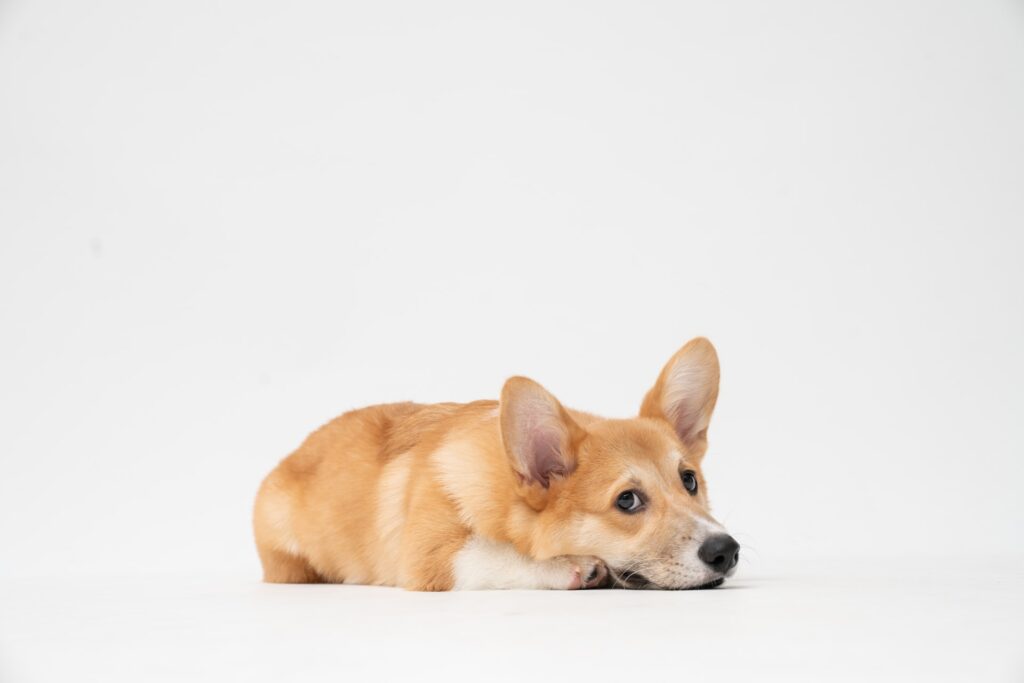
In the world of dog breeding, dogs can learn many specialised skills to serve humans in various fields. These skills are important to society, ranging from providing security and protection to assisting people with disabilities and searching for missing persons. Training dogs to acquire these skills requires specific techniques, patience and professionalism. This article will explore various aspects of such training, its importance, and practical exercises for success. Specialised dog skills include security and search training, assisting people with disabilities, and detecting drugs and explosives. This makes them indispensable helpers in various areas of life.
Security skills training
Training dogs in security skills is an important and responsible process that requires consistency, patience, and professionalism. A security dog not only protects property but also serves as a reliable protector for its owner.
The main stages of guard training include choosing a suitable breed of dog, familiarizing yourself with its individual traits and characteristics, and then training it in the area to be guarded.
The initial stage of training begins with teaching basic commands such as “sit,” “lie down,” “stand,” “face,” and “give paw.” These commands are the basis for subsequent training in more complex skills.
Then the dog is trained to respond to external stimuli, such as strange sounds, movements, or strangers. The dog must learn to distinguish between friendly and hostile intentions and respond accordingly.
Special attention is paid to developing property protection skills. The dog must learn to guard a specific area, track and warn of approaching danger, and, if necessary, take active measures to protect it.
An important aspect of training is the socialization of the dog. A guard dog must be well-balanced and friendly in its interactions with people and other animals, but at the same time, it must possess sufficient aggression and determination to protect its owner and their property.
During training, the owner must establish clear and consistent behavioural rules for the dog, build a trusting relationship with them, and encourage the desired behaviour.
Training guarding skills is a long-term process that requires constant reinforcement of the skills learned. Ultimately, a guard dog that has been properly trained becomes a reliable protector and loyal friend to its owner.
Search skills training
Training dogs to search is a time-consuming process that requires a great deal of effort and patience. A dog’s ability to locate objects, people or other animals can be extremely useful in various situations, such as search and rescue operations, locating missing individuals or detecting drugs.
The first stage of training is choosing the right breed. Not all breeds of dog are equally suited to search training. Some breeds, such as Labradors and Golden Retrievers, have a natural instinct for searching, making them ideal candidates for this type of training.
To ensure successful training, it is necessary to familiarise the dog with basic commands such as ‘sit’, ‘lie down’ and ‘fetch’. This establishes basic discipline and control over the pet.
Next, work on developing an interest in retrieving. This is the dog’s desire to find and retrieve objects. This can be developed through games with toys or special training exercises.
Many search tasks rely on a dog’s sense of smell. Dogs can be trained to detect various substances or people by smell. This is achieved through scent-based training, whereby the dog learns to recognise and locate the desired scent.
Gradually increase the difficulty of the tasks by extending the distance, search time or complexity of the scents. Don’t rush things, and allow your dog time to familiarise themselves with the search tasks. Constant encouragement and rewards for successful searches will reinforce your dog’s skills and keep them motivated.
Conduct regular search training with a variety of tasks and search locations to help your dog develop and maintain their interest in training. Search training is a useful skill for your dog and a great way for you to spend time together, strengthening the bond between owner and pet.
Training skills to assist people with disabilities
The training of assistance dogs plays a key role in ensuring the comfort, safety and independence of disabled people. These remarkable animals, known as assistance or service dogs, undergo intensive training to provide a wide range of services and support to their owners. An introduction to assistance dog training involves recognising the importance of their role in society and understanding their contribution to supporting people with physical or mental disabilities.
Basic skills include guarding and protecting their owner, opening doors, fetching objects, searching, and more. Training begins with basic commands such as “sit”, “lie down”, “stand” and “go”, gradually progressing to more complex actions such as helping their owner up from the floor or guarding them in public places.
Additionally, assistance dog training involves preparing them for real-life scenarios they may encounter in their owners’ daily lives. This involves training in public places, travelling on public transport, visiting doctors and other situations in which the dogs must respond appropriately and effectively.
Assistance dogs play an incredibly important role for their owners. Not only do they help with everyday tasks, but they are also a source of emotional support and confidence. For people with disabilities, these dogs become reliable friends and indispensable helpers in overcoming difficulties.
Training assistance dogs is a complex and responsible process that requires a high degree of dedication and professionalism. However, thanks to this training, dogs can become reliable companions and support for people with disabilities, helping them with everyday tasks and providing them with a sense of security and confidence.
Other specialised skills
These skills play a huge role in supporting and helping people in various areas of life. They can be trained to perform a variety of specific tasks, making them invaluable helpers and companions to humans. One such task is search and rescue, in which dogs use their acute sense of smell to locate missing individuals in diverse environments, ranging from mountainous landscapes to expansive forests.
Therapy dogs provide emotional and physical support to people with disabilities, as well as to those undergoing rehabilitation after trauma or illness. They can help to relieve stress and anxiety and encourage physical activity.
Specialised dog skills are also used in hunting, where they help their owners to find and track game. Their outstanding ability to detect and track game makes them invaluable assistants to hunters.
Other types of specialised assistance dogs include guide dogs for the blind and service dogs for people with limited mobility. These dogs undergo special training to assist their owners with everyday tasks, such as getting around town or opening doors and fetching objects.
Specialised dog skills require careful training and constant updating to maintain them at a high level. However, their contribution to society is invaluable, and they remain irreplaceable helpers and friends to people in many areas of life.
In conclusion, training dogs in specialised skills is a complex but important process that can significantly improve quality of life and increase public safety. From security and search and rescue to assisting people with disabilities, each area requires special attention and professionalism. Successful training requires time, effort and a deep understanding of each dog’s individual needs and abilities. A properly trained dog is a reliable helper and loyal friend, capable of bringing benefit and joy to people’s lives.





Турбота, любов і хвостики — наші тренди 2025.
⚠️ We suggest that you read all the opinions on our portal and take note of them at your own discretion. Do not self-medicate! In our articles we collect the latest scientific data and opinions of authoritative experts in the field of health care. But remember: only a doctor can diagnose and treat.
The portal is intended for users over 13 years old. Some materials may not be suitable for children under the age of 16. We do not collect personal data from children under 13 without parental consent.We have a small request. We strive to create quality content about pet care, and we make it available for free to everyone because we believe everyone deserves accurate and useful information.
Advertising revenue only covers a small portion of our costs, and we want to continue to provide content without having to increase advertising. If you have found our content useful, please support us. It only takes a minute, but your support will help us reduce our reliance on advertising and create even more useful articles. Thank you!