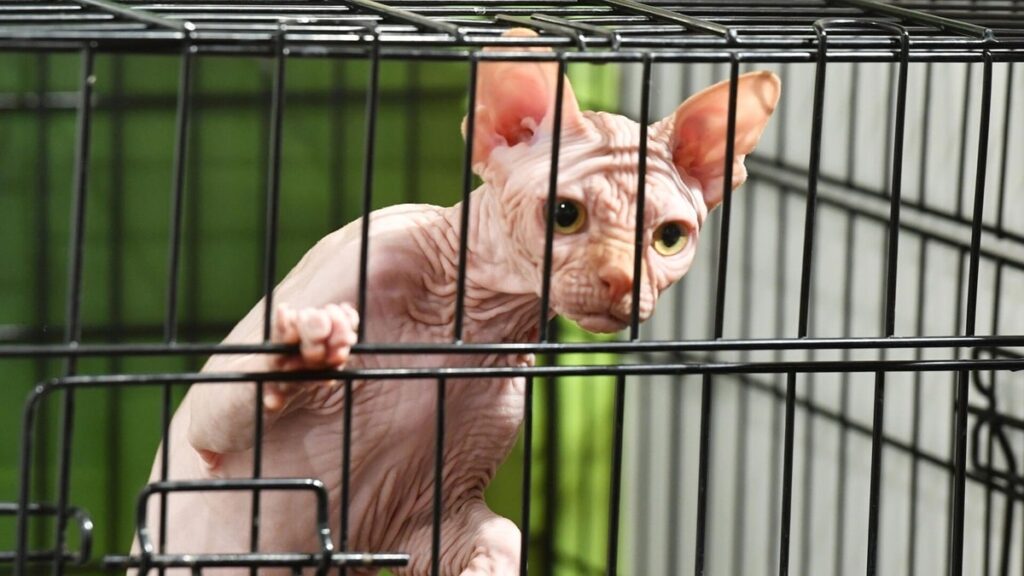
Experts reveal the secret of “silent mode” in some furry pets.
Some owners of furry pets may encounter a situation where their cat turns out to be extremely silent. The animal rarely meows, as if unwilling to communicate with its owner.
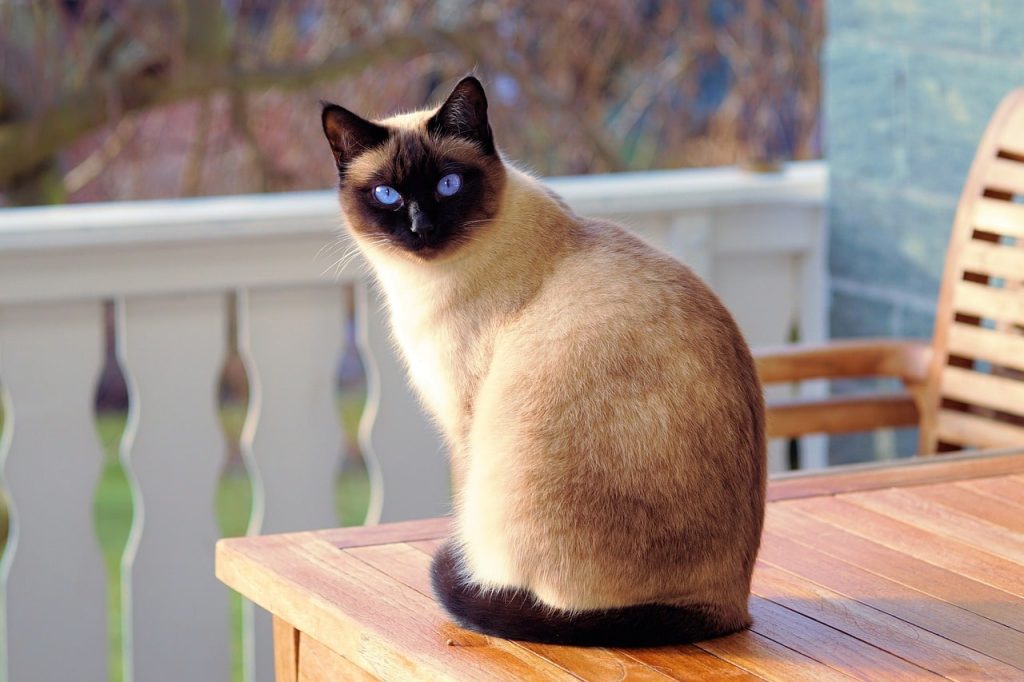
Experts believe that such a case is perfectly normal and is determined by the cat’s breed. For example, Birman cats, Cornish Rexes, or Ragdolls are known for their “quiet” disposition. On the other hand, Siamese cats, Ocicats, Balinese, and Oriental breeds are considered the most talkative.
Furthermore, it is important to remember that each animal has its own unique personality and temperament. For instance, timid or, conversely, calm cats are unlikely to meow frequently towards their owner.
Some cats may meow only when absolutely necessary, particularly if the person has ignored other signs from them. The thing is, if the owner understands their pet well, the cat doesn’t feel the need to vocalize unnecessarily.
However, if your cat used to actively “communicate” with you and suddenly stops, it could be a reason for concern. In such a case, it is recommended to have your pet checked by a veterinarian.
Also, don’t rule out the possibility that your companion may simply be upset. Remember that cats are highly sensitive creatures, so they may choose to remain silent and even ignore their owner due to a conflict or perceived offense.
The main reasons why some cats remain silent and do not meow can vary.
It’s important to understand that cats have individual personalities and communication preferences. Here are a few possible reasons why cats may be quiet and unresponsive to their owners:
- Breed: Certain cat breeds, such as the Birman, Cornish Rex, or Ragdoll, are known for their quieter nature. It’s a natural trait specific to their breed, and they may not meow as frequently as other breeds.
- Temperament: Cats have different temperaments, and some cats are naturally more reserved or independent. They may choose not to meow or be vocal unless necessary. It’s their way of expressing themselves.
- Comfort and contentment: If a cat feels safe, secure, and content in its environment, it may not feel the need to meow for attention or communication. They might be quietly observing their surroundings and enjoying their solitude.
- Health issues: In some cases, cats may become silent or stop meowing due to underlying health problems or pain. If a cat’s behavior suddenly changes, and it used to be vocal, it’s advisable to consult a veterinarian to rule out any medical issues.
- Aging: As cats get older, they may become less vocal. This can be a normal part of the aging process, and as long as the cat appears healthy and content, there may be no cause for concern.
If your cat’s behavior has drastically changed, it’s always a good idea to observe their overall well-being. If they seem happy, active, and show no signs of distress or discomfort, there may not be a reason to worry. However, if you have any concerns about your cat’s health or behavior, it’s best to consult a veterinarian for professional advice.






Світ домашніх улюбленців у 2025 — більше тепла, більше любові.
⚠️ We suggest that you read all the opinions on our portal and take note of them at your own discretion. Do not self-medicate! In our articles we collect the latest scientific data and opinions of authoritative experts in the field of health care. But remember: only a doctor can diagnose and treat.
The portal is intended for users over 13 years old. Some materials may not be suitable for children under the age of 16. We do not collect personal data from children under 13 without parental consent.We have a small request. We strive to create quality content about pet care, and we make it available for free to everyone because we believe everyone deserves accurate and useful information.
Advertising revenue only covers a small portion of our costs, and we want to continue to provide content without having to increase advertising. If you have found our content useful, please support us. It only takes a minute, but your support will help us reduce our reliance on advertising and create even more useful articles. Thank you!