Caring for the health and well-being of our dogs is one of the key aspects of their care. Among the many factors that contribute to the overall health and well-being of our pets, regular walks and physical activity play a special role. These elements not only support the physical health of the dog, but also have a significant impact on its emotional state. In this article, we will discuss the importance of regular walks and physical activity for your dog’s health and well-being, as well as provide practical tips on how to organize and conduct active walks that will be the key to a long and happy life for your pet.
Physical benefits of regular walks
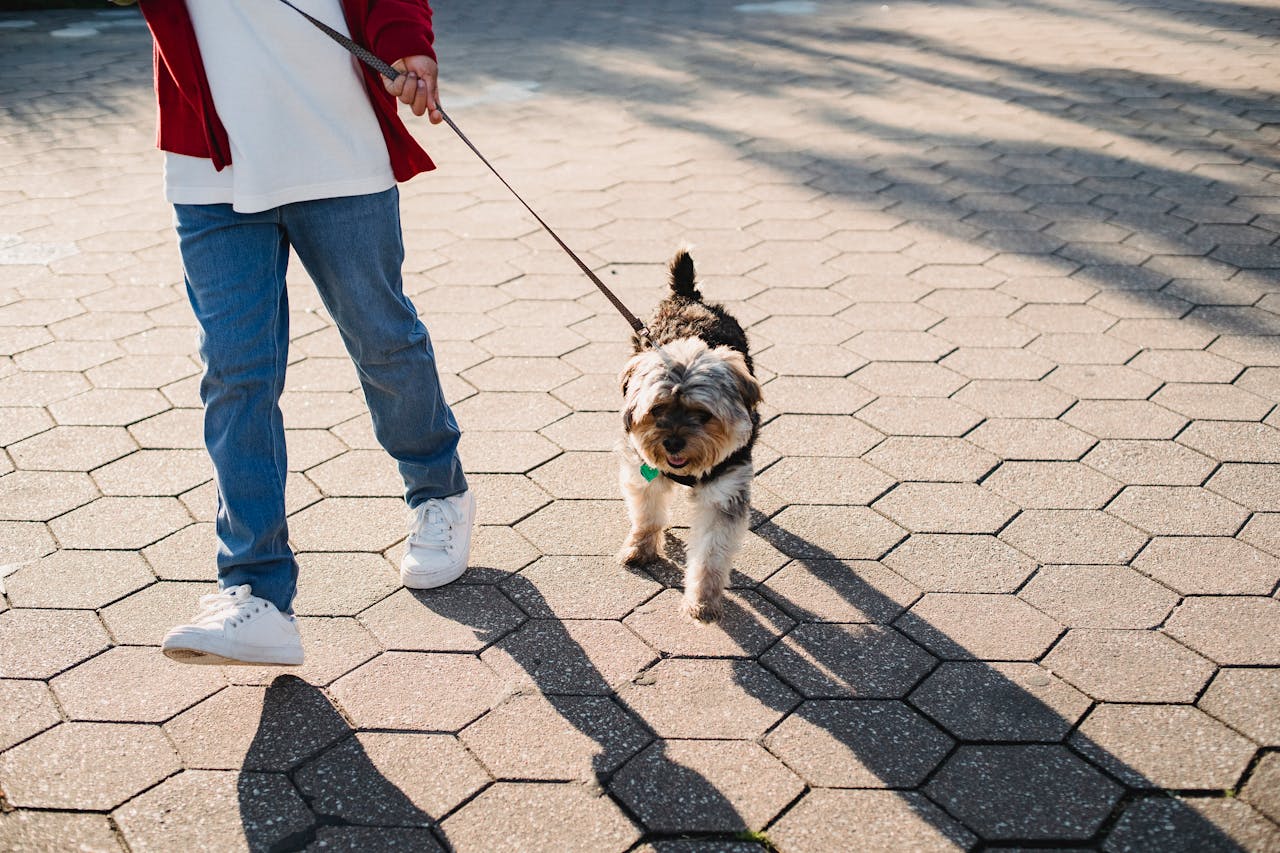
Regular walks are an integral part of caring for our dogs’ health. This natural form of physical activity provides pets with many physical benefits that help keep them in good health. Walking strengthens your dog’s muscles and bones and helps maintain a healthy weight. Physical activity burns excess calories, which is important for preventing obesity and related diseases such as diabetes and heart disease.
What’s more, walking improves your dog’s cardiovascular system by strengthening the heart and improving blood circulation. This helps reduce the risk of cardiovascular disease and increases your pet’s overall stamina. Regular walks also help increase your dog’s energy levels, making them more active and cheerful.
Equally important, walking supports your dog’s joint health by improving joint flexibility and mobility, as well as lubricating the joints. This prevents the development of arthritis and other joint diseases, especially in old age. All these physical benefits make walking essential for your dog’s overall health and well-being.
Remember that every dog is unique, and the level of physical activity should be tailored to their needs, age, and physical fitness. Regular walks will help your dog stay healthy, happy, and active throughout their life.
Emotional benefits of regular walks
Regular walks are not only physical activity for your dog, but also have a positive effect on their emotional state. These daily walks in the park or along local trails bring your pet many emotional benefits that contribute to their overall well-being and joy of life. Walks help reduce your dog’s stress and anxiety levels. During walks, your pet can explore new places, meet other dogs, and interact with people around them. These positive experiences help reduce stress hormone levels in your dog’s body and create a favorable environment for their emotional well-being.
Taking your dog for regular walks can improve their mood and vitality. Physical activity and exploring new places can bring your pet joy and satisfaction, which has a positive effect on their emotional state. Playing fun games and meeting other dogs can also improve your pet’s mood.
Walks also help improve your dog’s socialisation. During walks, your pet meets other dogs and people, interacts with them and learns to adapt to different social situations. This helps to develop your dog’s communication skills, making them more confident and socially adept.
In addition, regular walks establish a positive routine and provide your dog with a sense of comfort. Your pet feels more balanced and calm knowing that they will have the opportunity to go for a walk and enjoy the fresh air every day. This contributes to improving their overall well-being and quality of life.
Types of physical activity for dogs
Physical activity plays a key role in our dogs’ health and happiness. A variety of sports allow you to choose the right activity for each pet, taking into account its age, fitness level and preferences. Walking and running give dogs the opportunity to stretch their legs and enjoy the fresh air, while also maintaining heart and vascular health. Ball or Frisbee games improve endurance and coordination, and swimming helps to relieve joint and muscle tension, particularly in hot weather.
Agility training improves flexibility and agility, as well as strengthening the bond with the owner. Bicycle rides allow more active dogs to enjoy a dynamic walk, but safety must be considered and the distance should be increased gradually. All these activities contribute to improving a dog’s physical fitness, mood and overall well-being.
The choice of sports activities also depends on the dog’s character and breed. For example, breeds with high energy levels, such as sheepdogs or huskies, may enjoy more intense activities, while less active breeds, such as bulldogs or pugs, may prefer quieter walks or games in the park.
It is important to remember that regular exercise not only helps maintain physical health, but also contributes to improving your dog’s mental state. It helps reduce stress and anxiety, boosts mood, and improves your pet’s quality of life. So don’t forget to devote enough time and attention to your dog’s physical activity — it’s a great way to strengthen the bond between you and your faithful friend.
Features of caring for a dog after walks
After walks, a dog needs some care to stay healthy and comfortable. First, it is important to examine and clean the dog’s paws from dirt and possible damage. Check the coat and skin for parasites and dirt, comb the coat with a special comb. Monitor your pet’s nutrition and hydration, make sure they have access to clean water, and feed them a small amount of food. After walks, be sure to check your dog for parasites, especially fleas, ticks, and worms, and treat them with special medications. Monitor the temperature and protect your dog from overheating or hypothermia. Don’t forget to check your dog daily after walks to identify and address any problems in a timely manner. Proper care after walks will help your pet feel comfortable and maintain its health and well-being.
Regular walks and physical activity not only keep your dog healthy, but also improve its mood. They promote physical development, reduce stress, and improve communication with the outside world. Maintain an active lifestyle for your pet, and you will both enjoy happy moments together.







Поради щодо здоров’я та харчування тварин у 2025.
⚠️ We suggest that you read all the opinions on our portal and take note of them at your own discretion. Do not self-medicate! In our articles we collect the latest scientific data and opinions of authoritative experts in the field of health care. But remember: only a doctor can diagnose and treat.
The portal is intended for users over 13 years old. Some materials may not be suitable for children under the age of 16. We do not collect personal data from children under 13 without parental consent.We have a small request. We strive to create quality content about pet care, and we make it available for free to everyone because we believe everyone deserves accurate and useful information.
Advertising revenue only covers a small portion of our costs, and we want to continue to provide content without having to increase advertising. If you have found our content useful, please support us. It only takes a minute, but your support will help us reduce our reliance on advertising and create even more useful articles. Thank you!