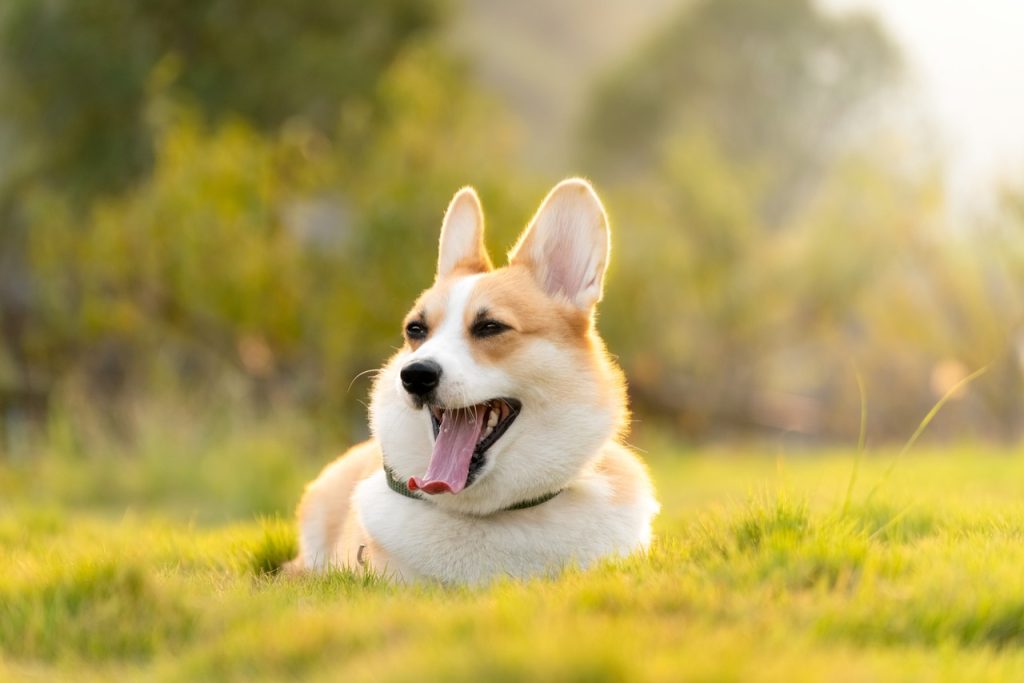
Puppies do a lot of growing and changing from birth to their 6-month birthday, and their teeth play a large role in that. Facial sensation and taste are some of the first senses puppies develop, and it’s normal for dogs to explore the world and seek attention with their mouth—especially during teething.
Just like with human babies, teething is a normal but sometimes painful process all puppies go through. Teething puppies are more mouthy than usual as their baby teeth fall out and their adult dog teeth replace them. But when does teething start (and when does that mouthiness stop)? Here’s what pet parents need to know about puppy teething.
How Many Teeth Do Puppies Have?
Puppies are born without teeth; because they’re feeding on their mother’s milk, they don’t need them! But even though they’re initially toothless, their baby teeth and adult teeth are already developing within their jaws at birth.
The baby (deciduous) teeth start erupting when puppies are around 3 weeks old. This is also when puppies can start eating solid food in addition to nursing.
The incisors (the little teeth in the front of the mouth) and canines (the bigger “fang” teeth) erupt first. The premolars—the teeth used for chewing—follow. Puppies continue to erupt teeth over the next 3-5 weeks until they’re about 6-8 weeks old, when their mouth is filled with 28 pearly white baby teeth.
When Do Puppies Stop Teething?
Puppy baby teeth don’t last long. Most start to lose their teeth when they’re around 3-and-a-half months old, though some don’t start until they’re 4 or 5 months old. Typically, large- or giant-breed dogs erupt their adult teeth sooner than small dogs.
The baby incisors are the first to fall out, and adult teeth push through the gums to take their place. Don’t be shocked when you find a little white tooth on your living room floor—this is completely normal. (But also, don’t worry if you never find any baby teeth, as they are often swallowed.)
Puppies continue to lose baby teeth and erupt adult teeth until they’re about 6 months old.
The incisors and canines erupt first, around 3-5 months. The premolars follow when a puppy is 4-6 months old. The adult molars grow in last, at 5-7 months of age. While puppies only have 28 baby teeth, adult dogs have 42 teeth.
Signs of Teething in Puppies
It’s normal for puppies to start exploring the world with their mouth (mostly by chewing) when they’re 3-7 months old. Because this developmental stage lines up with their teething timeline, it can be difficult to know whether your puppy is gnawing on things because he’s in pain or because he’s just curious.
That said, teething pain may cause your puppy to become more mouthy or more destructive at home. This is a temporary period, and puppies need to be redirected to appropriate chewing opportunities, like toys.
How to Care for a Teething Puppy
Taking care of a teething puppy involves offering lots of options for chewing—particularly soft toys, rubber toys, and chilled or frozen toys. Your puppy may prefer harder or softer items, depending on his teething pain. Cold items can help soothe any pain and inflammation, so try giving your pup chilled or frozen treats, like blueberries, green beans, or carrots.
The Best Teething Toys for Puppies
To keep your puppy from chewing your furniture, give him a few toys that are great for teething, such as:
- KONG Puppy Binkie
- Petstages rubber chew toys
- Nylabone Puppy Teething X
- Nylabone Puppy Teething Dinosaur Chew Toy
- Nylabone Teething Pacifier
Another hack: Freeze your puppy’s kibble in a Classic KONG or other puzzle toy. The cold toy will soothe his gums while providing your pup with enrichment.
Найкращі практики догляду за хвостиками у 2026.









⚠️ We suggest that you read all the opinions on our portal and take note of them at your own discretion. Do not self-medicate! In our articles we collect the latest scientific data and opinions of authoritative experts in the field of health care. But remember: only a doctor can diagnose and treat.
The portal is intended for users over 13 years old. Some materials may not be suitable for children under the age of 16. We do not collect personal data from children under 13 without parental consent.We have a small request. We strive to create quality content about pet care, and we make it available for free to everyone because we believe everyone deserves accurate and useful information.
Advertising revenue only covers a small portion of our costs, and we want to continue to provide content without having to increase advertising. If you have found our content useful, please support us. It only takes a minute, but your support will help us reduce our reliance on advertising and create even more useful articles. Thank you!