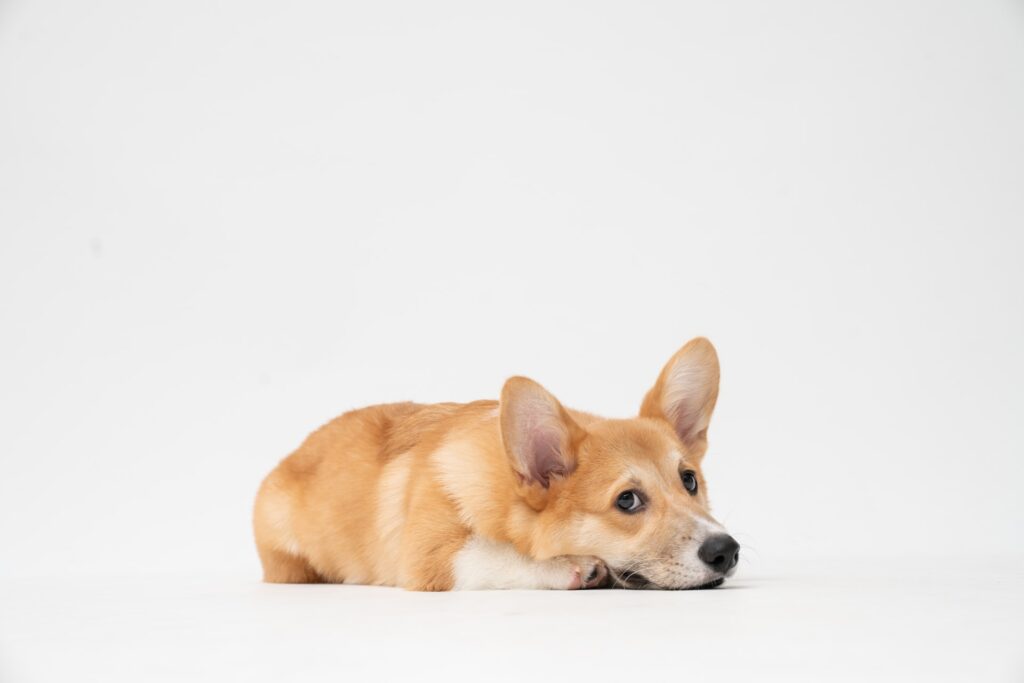
Caring for a little furry friend requires special attention and knowledge to give them the best possible start in life. The key features of puppy care include providing a balanced diet, effective training and proper socialisation. These factors play a vital role in shaping your puppy’s behaviour, health and character throughout its life. In this article, we will explore the key aspects of caring for a puppy and provide practical recommendations to help ensure that your puppy becomes a loyal and healthy member of your family. It is also important to remember the need for regular health checks and preventive care at the vet, which will help ensure your little friend enjoys a long and happy life.
Puppy nutrition
Puppy nutrition plays a key role in their health and development. Determining the right diet and feeding strategy is one of the first and most important steps in ensuring they have a long and happy life. When choosing food for your puppy, consider various options including dry or canned food, as well as natural or ready-made food. It is crucial to choose high-quality products and check the ingredients, reading the labels to ensure your puppy gets the nutrients they need without any unnecessary additives.
A puppy’s diet and how often it is fed should be based on its weight, age, breed and activity level. It is also important to control portion sizes and feed your puppy regularly throughout the day, bearing in mind its growing needs. When introducing new foods to your puppy’s diet, you should gradually acclimatise them to the new foods and closely monitor their reaction.
The nutrients and supplements in a puppy’s diet are also important. Proteins, fats, carbohydrates, vitamins and minerals all play a vital role in the development and health of a puppy. Ensuring sufficient calcium and phosphorus is especially important for your puppy’s bone and tooth health.
Attention is also required when preparing for the transition to an adult diet. Gradually changing its diet will help to prevent digestive problems, and consulting a specialist will help you to determine the best time to switch to adult food and how to do so. Ultimately, providing proper nutrition from the beginning of a puppy’s life allows it to grow into a healthy, happy and energetic dog for many years to come.
Training a puppy
Training a puppy is an important stage in its life, as it determines its behaviour and character for many years to come. This process requires patience, consistency and affection from the owner.
The first step is to create the right environment. This involves setting up a sleeping and resting area, as well as ensuring the home is safe and comfortable. A puppy needs its own cosy place where it can feel calm and safe.
Next, it is important to establish rules and boundaries. Having clear rules of behaviour in the home will help the puppy understand what is allowed and what is forbidden. Learning commands and prohibitions will help to control its behaviour and ensure harmonious family relationships.
Positive reinforcement and encouragement are important when raising a puppy. Praise, affection and treats are effective ways of rewarding good behaviour and helping your puppy understand what is expected of them.
Socialisation skills are equally important. Introducing your puppy to other animals and people, and taking them to places with large crowds, will help them get used to different situations and become a sociable, well-balanced pet.
Remember to be tolerant of mistakes and consistent in your training. Puppies will make mistakes and it is important not to lose patience, but rather to persistently and consistently teach them correct behaviour.
Training a puppy is ultimately a process that takes time, patience and effort, but the results are incredibly valuable. Proper training shapes your pet’s behaviour and character, strengthening your bond in the process.
Socialising a young pet
Socialising a young pet is one of the most important aspects of its upbringing. This process begins at a very early age and plays an important role in shaping a dog’s healthy, balanced character. The main goal of socialisation is to teach your pet how to interact with the world around them, including other animals, people and various situations.
Socialisation is important because it helps reduce stress in dogs in unfamiliar situations and teaches them how to respond appropriately to different stimuli. Well-socialised dogs are more likely to be calm, confident and trusting of the world around them.
In order to successfully socialise a young pet, the owner must expose it to as many positive experiences as possible. This may include introducing the pet to different people, children and other dogs, as well as different places and sounds. Encouraging positive behaviour with praise, affection and treats helps the pet to associate these situations with something pleasant and safe.
Gradually increasing the complexity and intensity of socialisation will help your dog to adapt to a variety of situations. Start with simple, relaxed encounters and gradually move on to more complex situations and environments. This will help your pet to adapt gradually and cope confidently with new challenges.
In conclusion, socialising a young pet is an important stage in its upbringing. This process requires time, patience and consistency from the owner, but investing in your pet’s socialisation from the outset will produce tremendous results, making them confident, happy and well-adapted to a variety of situations.
Health and hygiene
Caring for your dog’s health and hygiene is an essential part of being a responsible pet owner. It requires constant attention and care to ensure your pet enjoys a long and happy life. Optimal health and hygiene for dogs encompasses several key areas.
First and foremost, regular visits to the vet play a critical role in maintaining your dog’s health. During these appointments, the vet will examine your dog, administer vaccinations, and provide recommendations on how to care for its health. Early detection of diseases and timely treatment can prevent serious problems.
Proper nutrition is also an important part of caring for your dog’s health. Owners should pay attention to the quality of food and ensure their pet is given a balanced diet appropriate for its age, size and needs. Regular meals and access to clean, fresh water are also necessary.
Physical activity plays a key role in ensuring your dog’s health and well-being. Regular walks and playtime aid physical development and strengthen the bond between pet and owner.
Good dental and oral care is important for your dog’s overall health. Regular brushing and using special care products can help to prevent gum disease and tooth decay.
Keeping your dog’s coat and skin clean is also important. Regular brushing and washing prevent dandruff and skin irritation, keeping the coat healthy and shiny.
Pest control is also important for your pet’s health. Using flea, tick and other parasite treatments regularly helps to protect your dog from infections and diseases that are transmitted through insect bites.
Caring for your dog’s health and hygiene requires a systematic approach, paying attention to various aspects of your pet’s health and well-being. This includes regular visits to the vet, proper nutrition, sufficient physical activity, and caring for their coat, teeth, and oral cavity.
Preparing for maturity
Preparing for adulthood is a process that involves many aspects necessary for successful adaptation to life in the adult world. It includes both the acquisition of practical skills and the development of emotional and social competence. In this article, we will look at the key aspects of this preparation and the steps young people can take to successfully cope with the challenges of adult life.
The first step on the path to maturity is getting an education. Education plays a key role in developing the skills necessary for a successful career and personal life. This includes both formal education in educational institutions and self-education through reading, attending courses, and seminars.
In addition, it is important to develop independence skills. The ability to make decisions, plan your time, and manage finances plays an important role in adult life. Young people must learn to balance work, study, and personal life, as well as develop problem-solving and change adaptation skills.
Financial literacy is also an important aspect of preparing for adulthood. Young people need to be able to allocate their income, manage their budget, and invest money to achieve their goals and ensure financial stability in the future.
Developing social skills also plays an important role. The ability to build relationships, work in a team, and communicate effectively with others is essential for successful adaptation in society. Young people must learn empathy, respect for others, and the ability to resolve conflicts peacefully.
Taking care of one’s health is another important aspect of preparing for adulthood. Young people should be aware of the importance of proper nutrition, regular exercise, and maintaining emotional well-being. This will help them stay healthy and energetic so they can achieve their goals in life.
Overall, preparing for adulthood requires young people to make an effort and develop themselves in various areas of life. However, with the right approach and hard work, they will be able to successfully cope with the challenges of adult life and achieve personal and professional success.
Caring for a young puppy is an exciting and thrilling journey that requires dedication, patience, and knowledge. Proper nutrition, effective training, and competent socialization are key components of caring for a young pet that will help it grow into a healthy, happy, and well-adjusted dog. Remember that your attention and care in these early years will lay the foundation for its future well-being. Trust your intuition, draw on experience and expert advice, and you will be able to give your little friend the best start in life. May your care for it fill your home with joy and love for many years to come.










Домашні улюбленці у 2025: натхнення кожного дня.
⚠️ We suggest that you read all the opinions on our portal and take note of them at your own discretion. Do not self-medicate! In our articles we collect the latest scientific data and opinions of authoritative experts in the field of health care. But remember: only a doctor can diagnose and treat.
The portal is intended for users over 13 years old. Some materials may not be suitable for children under the age of 16. We do not collect personal data from children under 13 without parental consent.We have a small request. We strive to create quality content about pet care, and we make it available for free to everyone because we believe everyone deserves accurate and useful information.
Advertising revenue only covers a small portion of our costs, and we want to continue to provide content without having to increase advertising. If you have found our content useful, please support us. It only takes a minute, but your support will help us reduce our reliance on advertising and create even more useful articles. Thank you!