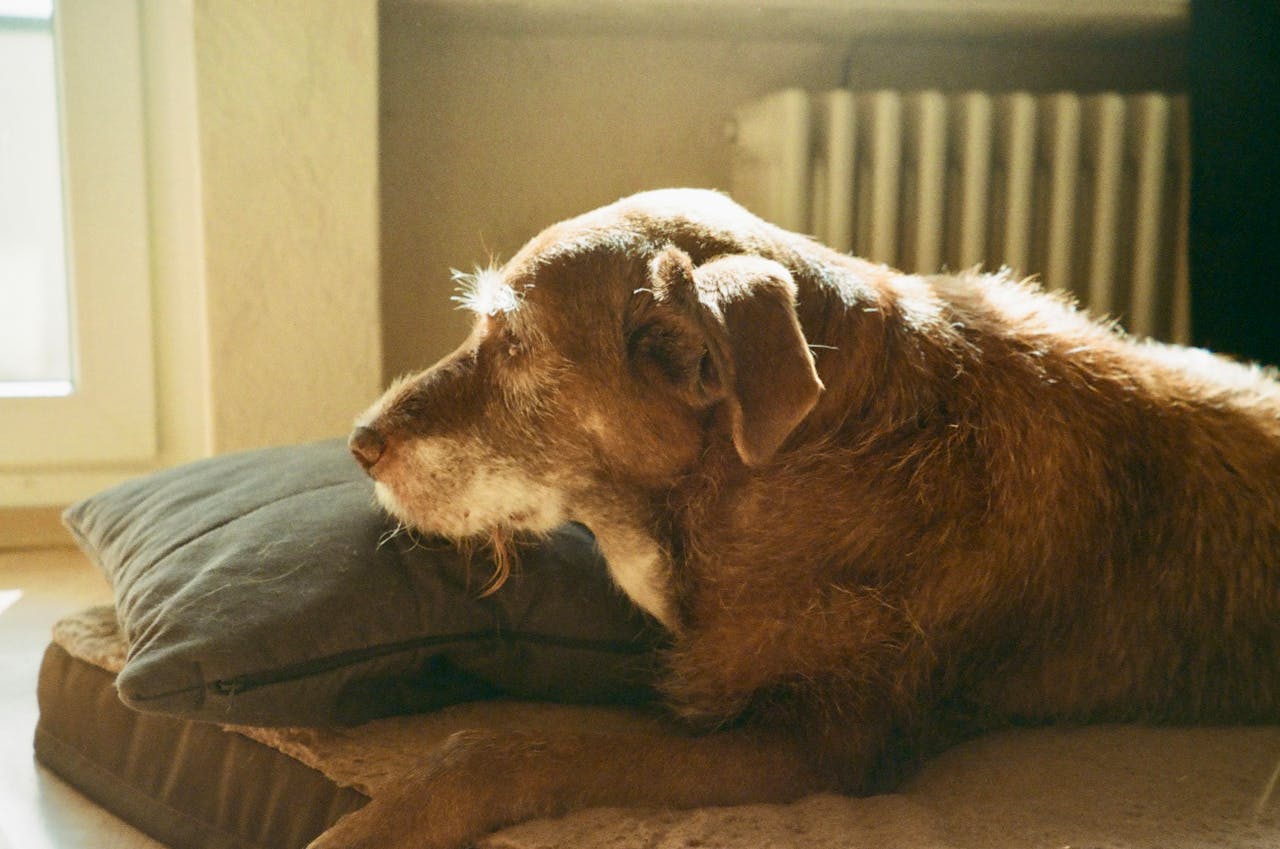
Caring for our dogs means enjoying their company and dealing with the challenges of their behaviour. Undesirable behaviour can cause anxiety in dogs and even disrupt family harmony. However, it is important to remember that many behavioural problems in dogs can be overcome with the right approach and patience. In this article, we will examine the key aspects of addressing these issues and offer practical advice on how to correct them, helping you and your pet achieve a harmonious and happy life together.
Analysing the causes of behavioural problems
Behavioural problems in dogs can cause concern for their owners and create tension within the family. Various undesirable behaviours, such as aggression, destructive behaviour, fear or disobedience, can have a variety of causes. Before attempting to correct a dog’s behaviour, it is important to analyse the underlying causes.
Genetic factors play an important role in shaping a dog’s behaviour. Some breeds are predisposed to certain behavioural traits, such as aggression or fear. Understanding the genetic characteristics of a breed can help you choose the right training and education methods.
Socialisation at an early age is also extremely important. Insufficient contact with other dogs, people and different situations can lead to fear, aggression or difficulty adapting to new situations. A dog’s behaviour can also be influenced by the experiences it has throughout its life.
Stress and unmet needs can also cause undesirable behaviour in dogs. Changes in the environment, insufficient attention from the owner and insufficient physical or mental stimulation can all cause stress and lead to undesirable behaviour.
In addition, improper training and education can cause behavioural problems in dogs. Inconsistency, the improper use of training methods, insufficient training or a misunderstanding of the dog’s needs can lead to confusion and uncertainty.
Common behavioural problems in dogs
Such problems can be challenging for owners and their pets, creating tension within the family and disrupting harmony. It is therefore important to learn about the most common behavioural problems that dogs face and how to solve them.
Aggression is one of the most serious of these problems. It can be directed at other dogs, people or even family members. Aggressive behaviour can be caused by fear, territoriality or resource guarding.
Destructive behavior can also be a problem, especially for young dogs. They may chew on furniture, toys, or other items out of boredom or anxiety.
Barking can cause complaints from neighbors and stress for owners. The reasons for barking can vary, including boredom, anxiety, or territorial protection.
Fear and anxiety can lead to undesirable behaviors such as panic running or aggression. This can be triggered by certain sounds, objects, or situations.
Disobedience can be a problem, especially if dogs ignore their owners’ commands. The reasons for this behavior may be related to insufficient training or motivation to obey commands.
Stereotypical behavior is also a common problem. This is behavior that becomes routine and is repeated by the dog in certain situations, such as walking in circles or licking repeatedly.
Eating problems, such as overeating or refusing food, can be caused by medical issues or psychological factors.
Solving these problems requires patience, understanding, and consistency in training and teaching methods. It is also important to seek help from professionals, such as veterinarians or behavior trainers, to develop individualized strategies for solving problems.
Tips for correcting undesirable behaviour
Correcting undesirable behaviour in dogs is an important part of looking after our four-legged friends. Dog owners often encounter various behavioural problems, such as aggression, destructive behaviour and disobedience. However, many of these problems can be solved with the right approach and patient training.
The first step in correcting undesirable behaviour is to understand its causes. Some dogs exhibit undesirable behaviour due to stress, anxiety or a lack of socialisation. Identifying the root cause helps us to choose the most appropriate correction methods.
Training and exercise play a key role in changing a dog’s behavior. Regular training using positive reinforcement helps dogs understand what behaviors are desirable and which are not. Using basic commands such as “sit,” “lie down,” “no,” and “place” helps manage undesirable behaviors and establish clear rules.
Creating a suitable environment is also important for preventing undesirable behavior. Restricting access to off-limits areas, removing sources of stress, and providing sufficient exercise and entertainment help create a comfortable environment for your dog.
It is important to avoid punishment for undesirable behavior, as this can exacerbate the problem and damage the relationship between the owner and the dog. Instead, focus on positive reinforcement and strengthening desired behavior. Praise, treats, and games can be used to encourage desirable behavior.
In some cases, it may be necessary to consult with professionals such as a veterinarian or behavior trainer. They can help identify the causes of undesirable behavior and develop a customized plan for correction.
Practical examples and scenarios:
- Toilet training: Imagine you have just brought home a puppy. To toilet train it outside, you will use positive reinforcement. Every time the puppy goes outside, reward it with treats and praise. This creates an association between going outside and a positive experience, helping the puppy to understand that this behaviour is desirable.
- Behaviour on walks: Suppose your dog pulls on the lead and ignores your commands. In this case, you can use feedback methods. Every time your dog responds to your command and its behaviour improves, reward it immediately. This will reinforce the desired behaviour and help your dog to understand what is expected of them.
- Overcoming fear: Let’s say your dog is afraid of riding in the car. In this case, you can use the gradual exposure method. Start with short trips, gradually increasing the duration and adding positive stimuli such as treats and toys. This will help your dog gradually overcome their fear and associate traveling with a positive experience.
- Socialization with other dogs: If your puppy is poorly socialized with other dogs and often displays aggression, the controlled encounter method may help. Hold encounters with other dogs at a distance, controlling your pet’s behavior with a leash and commands. Gradually increase the proximity and duration of the encounters, encouraging positive behavior and avoiding conflict situations.
Correcting undesirable behavior in dogs takes time, effort, and consistency, but it is an achievable goal. Remember that every dog is unique, and the approach to training should be individualized. Strive to understand the causes of behavioral problems and use training methods based on positive reinforcement and tolerance. Also, remember that it is important to be consistent and patient in the training process. With the right approach and the right resources, you can help your pet overcome undesirable behavior and create a harmonious relationship between you.










Розбір 2025 року — нові підходи до догляду за тваринами.
⚠️ We suggest that you read all the opinions on our portal and take note of them at your own discretion. Do not self-medicate! In our articles we collect the latest scientific data and opinions of authoritative experts in the field of health care. But remember: only a doctor can diagnose and treat.
The portal is intended for users over 13 years old. Some materials may not be suitable for children under the age of 16. We do not collect personal data from children under 13 without parental consent.We have a small request. We strive to create quality content about pet care, and we make it available for free to everyone because we believe everyone deserves accurate and useful information.
Advertising revenue only covers a small portion of our costs, and we want to continue to provide content without having to increase advertising. If you have found our content useful, please support us. It only takes a minute, but your support will help us reduce our reliance on advertising and create even more useful articles. Thank you!