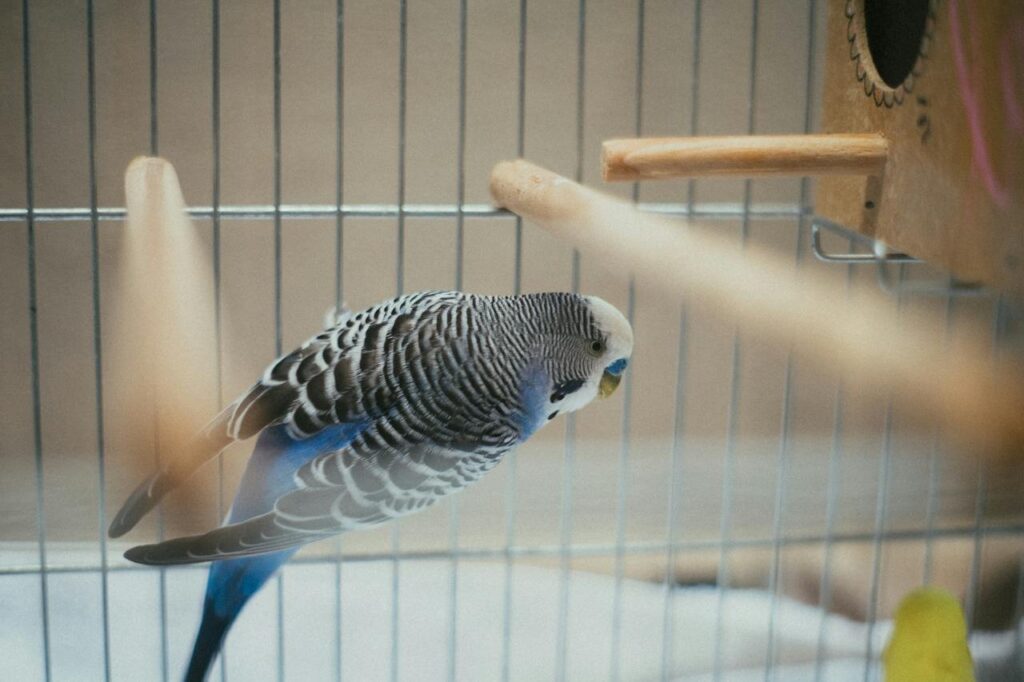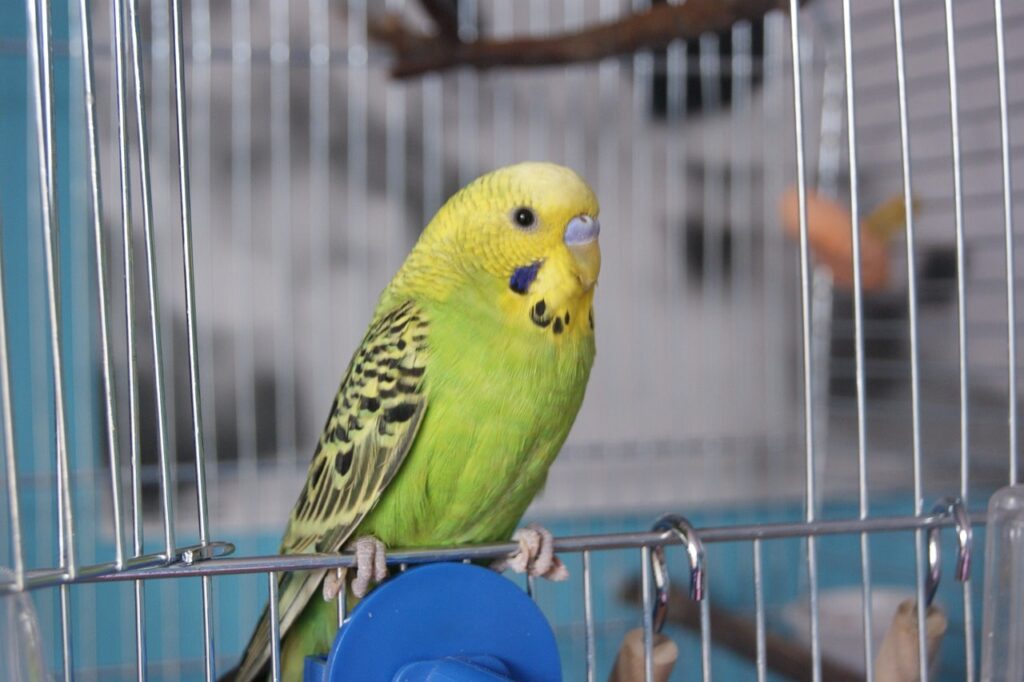
If a small bird sneezes, it brings a smile. But it is not a laughing matter when a parrot sneezes frequently or constantly. Such a state is not normal, and the owners have a well-founded concern for the health of a feathered friend. How dangerous is the symptom of constant sneezing? What can it be associated with and what to do about it?
Why does a parrot sneeze?
Sneezing is a normal reaction to irritants that have entered the nasal passages. It is common in humans, animals and birds. The causes of sneezing in a wavy parrot can be simple and understandable or dangerous, threatening its health and life. Let’s consider them in detail.
1. Moulting period
Feathered pets carefully care for their plumage, cleaning and styling their feathers. During this procedure, the feathers tickle the nostrils, and small particles can even fall into them, which naturally causes a response in the form of sneezing to clear the nasal passages of foreign objects. During the molting period birds do this more often than usual, and the number of feathers falling out is much higher, so parrots often sneeze when they change their plumage and this is normal.
2. Poor quality feed
Low-quality diets may contain dust or fine dirt particles in addition to grains, which, when flapping their wings, rise into the air and can get into the bird’s nose, irritating the mucous membrane and causing sneezing.
3. Inadequate housing conditions
Reduced humidity in the room where the cage with a feathered friend is located, leads to the fact that his nasal mucosa dries up. Trying to improve breathing, the parrot sneezes.
Untimely order in the room and lack of wet cleaning, leads to the accumulation of dust, to which birds also react by sneezing, especially flying from the closet to the door, where cleaning is not so often.
4. Allergies
Sneezing is one of the most common signs of an allergic reaction. Allergens can be anything from pet hair in the house, dust and food. However, in addition to sneezing, a wavy parrot may also show other signs, such as tearing or diarrhea.
5. Diseases
If in physiological reaction to stimuli the sneezing is dry, in diseases it is often wet due to mucus flowing out. Thus, bathing in a cold room and drafts lead to colds. However, there are also more dangerous conditions that are characterized by this symptom:
- viral respiratory infections
- foreign body in the nasal passages
- bacterial infections
- goiter inflammation
- fungal infections
- parasites (mites)
- tumors
6. Vitamin A deficiency
This vitamin plays a big role in the condition of the mucous membranes. If it is not enough in the bird’s body, the respiratory system deteriorates, and the parrot sneezes constantly, up to the appearance of bloody discharge from the nasal passages.
Establish the cause of sneezing in a feathered pet is important in order to properly assist him if necessary. If you can not do it yourself, it is better to contact a specialist.
What to do if a wavy parrot sneezes?
Proper housing conditions can keep the bird from sneezing. However, suspecting problems with the health of a feathered friend should not delay a visit to a veterinarian-ornithologist. A dangerous infection can kill a winged pet in 2-3 days.
What to do with frequent dry sneezing of a parrot?
Compliance with the conditions and mode of keeping the bird is not an empty set of words, the health and longevity of the parrot depends on it. To do this, you need to:
- clean the room regularly (including damp mopping) and ventilate it.
- do not allow the bird to become hypothermic
- if necessary, put a humidifier in the room
- never smoke or spray aerosols near the cage.
- due to frequent smoke and odors, it is not recommended to keep the cage in the kitchen.
- in summer time you can periodically spray water from a sprayer over the cage.
- allow the bird to bathe when it needs to bathe, following the rules (warm room, no drafts, closed windows).
- clean the cage in time, disinfecting it once a week.
- clean the cage more often during the molting period.
- when pouring food into the feeder, remove the husks of grains completely, and do not pour new ones on top of them.
- water in the drinker should be changed every day, using only fresh and clean water.
If dirt, dust particles, fungus were found in the box with parrot food, it should not be given to the feathered pet. Quality grain food is the key to a healthy bird.
Regular and vitaminized parrot diets are available on the market. In case of feeding a regular diet, the bird is given vitamins (can be in liquid form). Do not forget that the diet of your feathered friend is not limited to grain, he still needs fruits, vegetables and herbs.
If allergies are suspected, it is important to identify the allergen and try to keep your parrot out of contact with it.
A foreign body in the nasal passage is most often cleaned out by the bird on its own. If this does not happen, contact a specialist, as the mucus must be removed.
Actions for persistent sneezing after food rejection
The case when a wavy parrot sneezes intensely and spits out grain without swallowing it, may indicate an overcrowded goiter, when the food has no way to pass into the lower digestive system. This is a serious condition that requires specialist care or the bird will die. As a rule, a veterinary ornithologist flushes the goiter with a special solution several times and prescribes appropriate therapy.
What to do when a parrot sneezes and jerks its head?
Dirty food and water can cause your bird to become infested with parasites. One of the most common parasites is the tracheal mite. At the beginning of the infection, symptoms are practically absent. In the acute form, the larvae attach to the walls of the trachea and cause severe irritation, which leads to sneezing and head twitching.
Veterinarian, based on the results of examination and tests, prescribes treatment with a drug based on the active substance – ivermectin, determines its dosage, method of administration and duration.
What should I do in case of wet sneezing?
If the parrot sneezes with drops coming out of the nose and grunts, if nasal discharge is visible, it is likely to have an infection. Other signs such as lack of appetite, chills, lethargy, swelling around the nose, and inflamed eyes help to confirm concerns. The owner is not able to diagnose the disease, so it will require the help of a specialist who will prescribe antibiotics and other drugs. Do not forget about a vitaminized diet for the weakened body, which will also be recommended by the veterinarian.
There is no need to panic if your parrot sneezes, it is important to identify the cause and eliminate it as soon as possible. If you cannot do it yourself, seek qualified help. As for preventive measures, experts recommend vaccination and immunity strengthening in the cold season and during molting with vitamin supplements.
Let your feathered friends be healthy and do not sneeze, and only please with their cheerful chirping.
Поведінкові особливості тварин у 2026 — досвід експертів.


⚠️ We suggest that you read all the opinions on our portal and take note of them at your own discretion. Do not self-medicate! In our articles we collect the latest scientific data and opinions of authoritative experts in the field of health care. But remember: only a doctor can diagnose and treat.
The portal is intended for users over 13 years old. Some materials may not be suitable for children under the age of 16. We do not collect personal data from children under 13 without parental consent.We have a small request. We strive to create quality content about pet care, and we make it available for free to everyone because we believe everyone deserves accurate and useful information.
Advertising revenue only covers a small portion of our costs, and we want to continue to provide content without having to increase advertising. If you have found our content useful, please support us. It only takes a minute, but your support will help us reduce our reliance on advertising and create even more useful articles. Thank you!