The moment you bring a new puppy into your home is a truly special experience. Your mind is filled with countless thoughts and emotions are running high. Alongside considerations of food, training, and sleep, ensuring the safety of your puppy becomes a top priority. One area that requires attention is stair safety, as stairs can pose risks for young puppies.
So, at what age is it safe for a puppy to navigate stairs?
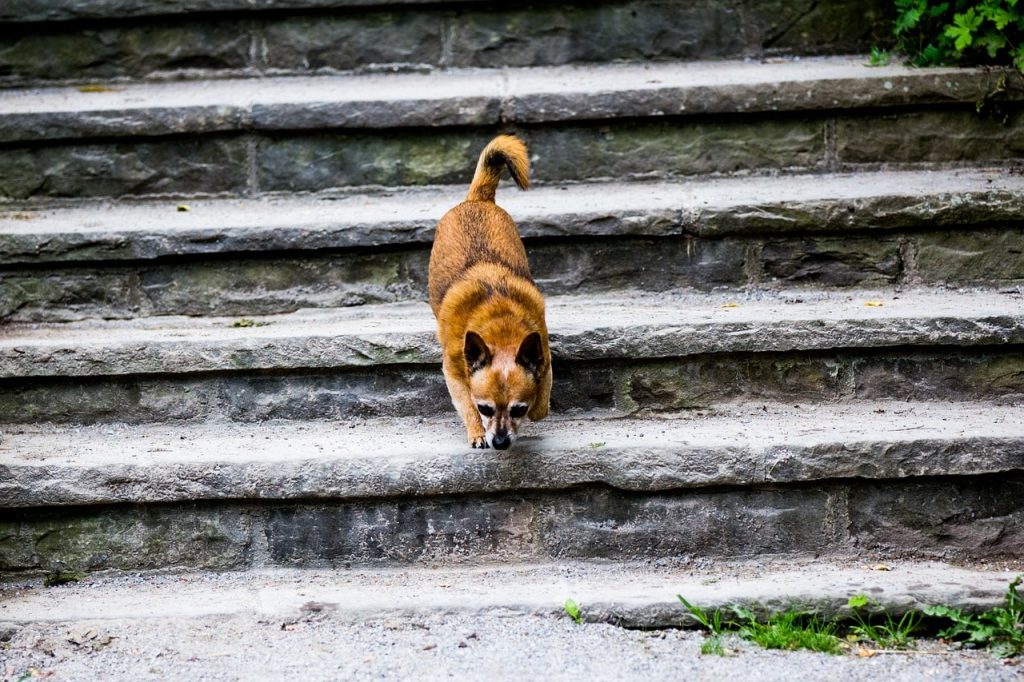
It is generally recommended not to allow puppies to go up or down stairs before they reach 12 weeks of age. During this early stage of development, it is advisable to carry them up and down the stairs to prevent any potential injuries. After reaching around 6 months of age, their access to stairs can be determined based on factors such as breed, size, and confidence. It’s important to note that stairs can pose hazards for puppies, potentially leading to hip issues or acute injuries from falls.
In this article, we will explore the appropriate age to introduce your puppy to stairs. We will also discuss techniques for training them to use stairs safely and strategies to prevent their access to stairs altogether. Let’s begin by examining the suitable age for a puppy to start using stairs.
What Age Should Puppies Start Using Stairs?
It is generally advised that puppies should not be allowed to independently navigate stairs until they are at least 12 weeks old. There are several reasons for this precaution, primarily related to the development of their senses and musculoskeletal system. It is important to understand the potential impact on a puppy’s hips if they are exposed to stairs too early.
According to the Royal Society for the Prevention of Cruelty to Animals (RSPCA), even 12 weeks might not be a sufficient cut-off age. The organization recommends carrying your puppy up and down the stairs until they are at least six months old. However, it’s crucial to consider that these age guidelines can vary depending on factors such as breed, size, and individual characteristics.
Every dog is unique, and you may encounter situations where a small and confident dog wants to tackle the stairs early on, or a larger dog is fearful of descending even when older. If you have concerns about your dog’s safety around stairs, it is best to limit their access until they have reached full maturity.
As shown in the video below, it is evident that this husky puppy is likely too young to navigate the stairs independently.
It is essential to ensure the well-being of the puppy and seek veterinary attention after such a fall.
Different dog breeds reach adulthood at varying ages. Miniature or toy breeds typically achieve adult status at around 9 months. Small dogs weighing between 15 and 25 pounds are considered fully grown by 12 months. Medium-sized dogs usually reach adulthood at approximately 14 months. Large dogs typically mature around 18 months of age. Giant breed dogs, on the other hand, may take up to 24 months or two years to reach full growth.
Once your dog has reached their full size and has demonstrated their ability to navigate the stairs safely, you can generally allow them to use the stairs as they please without major concerns.
Are Stairs Bad For Puppies Hips?
Stairs can potentially be harmful to a puppy’s hips if they are exposed to them too early. The hip structure in puppies differs from that of adult dogs. Puppies have cartilage hips instead of fully developed bone hips. This cartilage is not as strong as the mature bone structure it will eventually become. Additionally, the ligaments that hold the hip joint in place are not fully developed in puppies.
If a puppy’s hips are subjected to damage or excessive strain during their early stages of growth, it can lead to long-term issues like hip dysplasia. Stairs are a common source of hip injuries in puppies. When a puppy goes up the stairs, most of its body weight is on the hind legs, while going down the stairs places a significant amount of weight and pressure on the front legs.
The impact and pressure on the developing hip joints can potentially result in tears or other injuries to the soft hip tissues. It is important to avoid forcing puppies into activities that place excessive stress on their hips at a young age. Apart from the risk of falling, allowing a puppy to climb stairs before they are physically ready can increase the chances of hip injuries and complications in the future.
Reasons Why Puppies Might Have A Hard Time With Stairs
Even if your puppy is technically old enough to start trying stairs, you might notice they have a difficult time navigating them. There are a few different reasons that explain why puppies just aren’t good at going up and down the stairs.
Reason 1: Vision Impairment
Puppies, in general, have limited vision during their early stages of development. It takes a few weeks for their eyes to fully open, and even then, their vision may not be as sharp as that of an adult dog. This visual immaturity can pose challenges when it comes to navigating stairs.
During the initial weeks, puppies’ eyes are not fully mature, and their ability to focus and perceive depth may be compromised. This can make it difficult for them to judge distances and perceive the steps accurately, increasing the risk of missteps or falls.
In most cases, as puppies grow and their visual system matures, these issues resolve naturally. However, it’s important to be aware of certain breeds that may be predisposed to eye conditions like cataracts. If you notice any cloudiness or whiteness in your puppy’s eyes, it’s advisable to consult an ophthalmologist for a thorough examination and appropriate care.
Understanding the impact of vision impairment on your puppy’s ability to navigate stairs can help you provide the necessary support and ensure their safety during this developmental phase.
Reason 2: Underdeveloped Muscles
During the early stages of a puppy’s life, their muscles, bones, and joints are still in the process of developing. While this allows for greater flexibility, it also means that their physical abilities, including strength and coordination, are not fully developed.
Due to their underdeveloped muscles, puppies may face challenges when performing certain tasks, such as going on walks, jumping onto furniture, or climbing stairs. These activities require a certain level of strength and stability that puppies may not possess at this stage of their development.
To support your puppy’s physical growth and prepare them for climbing stairs, it’s important to provide them with appropriate activities and exercises. Engaging them in controlled movements, gentle walks, and supervised play sessions can help strengthen their muscles and improve their overall physical fitness.
By gradually introducing them to stairs and allowing them to build strength over time, puppies will become more capable of navigating stairs confidently. It’s crucial to be patient and provide a supportive environment to ensure their safety and gradual progress.
Reason 3: Lack of Coordination
Puppies are notorious for their lack of coordination and tendency to be a bit clumsy. Their developing motor skills and balance make it challenging for them to maintain stability, even on flat surfaces.
When it comes to stairs, this lack of coordination becomes more pronounced. Navigating stairs requires synchronized movements and precise limb coordination. Any misstep or missed stair can result in a significant fall or injury. This is particularly true for large breeds like Great Danes, whose rapid growth can further impact their coordination during the growing phase.
Fortunately, as puppies mature and gain more control over their bodies, they gradually become more coordinated. With time and practice, they will grow more confident in navigating stairs independently. However, in the initial stages, their motor skills may not be sufficiently developed to handle the complexities of climbing up and down stairs.
It’s important to provide a safe and supportive environment for your puppy during this learning process. Use positive reinforcement and offer assistance when needed, gradually allowing them to build the necessary motor skills and coordination to conquer the stairs with confidence. Patience and supervision are key to ensuring their safety while they develop the required abilities.
How to Prevent Your Puppy from Accessing the Stairs
If you have stairs in your home and a new puppy, there’s no need to panic. There are simple and effective methods to prevent your puppy from venturing up the stairs prematurely. By taking these precautions, you can ensure their safety and gradual introduction to stairs when they are ready.
One of the most reliable ways to keep your puppy away from the stairs is by setting up a barrier. A baby gate is a convenient and practical choice for most staircases. By installing a sturdy gate, you can restrict your puppy’s access to the stairs and prevent them from ascending without your knowledge. While it may require a bit of effort to step over the gate yourself, it provides peace of mind knowing that your puppy will remain downstairs.
If you want your puppy to eventually access the upper floor, you can carry them upstairs in the meantime. This will allow them to explore and enjoy the different areas of your home while ensuring their safety. As your puppy grows older and more capable, you can gradually introduce supervised stair training sessions to teach them how to navigate the stairs safely.
Remember, patience and consistency are key during this process. It’s essential to provide a secure environment for your puppy and monitor their movements until they are ready to independently handle the stairs. With time and proper guidance, your puppy will become familiar with the stairs and develop the necessary skills to navigate them confidently.
How To Help Your Puppy Get Up And Down The Stairs
Once your puppy is old enough, depending on their breed and size, you can start to help your puppy, go up and down the stairs.
There are two things you want to do as you’re teaching your puppy to climb a staircase.
1. Ensure Stair Surfaces Provide Sufficient Grip
Slippery stairs can pose a significant risk for your puppy. To increase their chances of navigating the stairs successfully, it’s important to ensure that the stair surfaces offer adequate traction. If your stairs are made of slippery materials such as wood or tile, there are several temporary solutions you can try.
Consider placing a carpet, runner, or individual grips on each stair to provide a textured surface that enhances grip. These additions can help your puppy feel more secure and confident while ascending and descending the stairs. It’s worth noting that these measures don’t have to be permanent and can be easily removed once your puppy becomes more comfortable and skilled with the stairs. The primary goal is to create an environment where your puppy can maneuver the stairs without the fear of losing traction.
2. Provide Cushioning at the Bottom
Even with precautionary measures, there’s always a chance that your puppy might stumble or fall while attempting the stairs. Although we aim to prevent accidents, it’s essential to be prepared for such situations. Adding cushioning at the bottom of the stairs can help soften the impact in case your puppy loses balance.
Consider placing couch cushions, heavy blankets, or pillows at the base of the stairs to create a soft landing spot. These cushioning materials can act as a protective barrier and minimize the risk of injury if your puppy happens to fall. By providing this extra layer of safety, you can help instill confidence in your puppy as they navigate the stairs, knowing that there is a cushioned landing area below.
3. Gradual Progression is Key
Once your puppy starts attempting the stairs, it’s important to proceed with caution and patience. Avoid getting overly excited and pushing your puppy beyond their capabilities. The last thing you want is to overwhelm or stress them out during the learning process.
Start by allowing your puppy to try the stairs once or twice a day. This gradual approach allows them to build confidence and strength at their own pace. Pay attention to their comfort level and only encourage them to tackle the stairs when they appear ready.
Respect your puppy’s boundaries and never force them to go up or down the stairs if they’re not comfortable doing so. Keep in mind that puppies tire more easily, and their bones and muscles are still developing. By being mindful of their limitations and providing a patient and supportive environment, you can help them gradually gain the skills and strength needed to navigate the stairs confidently.
4. Allow them to Choose the Starting Point
When introducing your puppy to stairs, it’s crucial to avoid placing them in the middle of the staircase if they’re not yet familiar with climbing up and down. While it might be tempting to give them a little push or encouragement, this can actually lead to accidents and create unnecessary stress.
Instead, give your puppy the freedom to choose their starting point. Allow them to begin at either the top or the bottom of the stairs, depending on where they feel more secure. By doing so, they can take their time, assess the situation, and plan their movements accordingly.
This approach respects your puppy’s comfort level and gives them the autonomy to navigate the stairs in a way that feels safe to them. It eliminates the pressure of being placed in an unfamiliar position, allowing them to build confidence and gradually become more adept at using the stairs.
Breeds That Require Caution Around Stairs
While it’s important for all puppies to be cautious around stairs until they reach a certain age, there are specific breeds that may face more challenges when it comes to stairs. If you own a dog from any of the breeds listed below, it’s crucial to pay extra attention to how and when they are allowed to navigate stairs.
Basset Hounds, Dachshunds, and Corgis
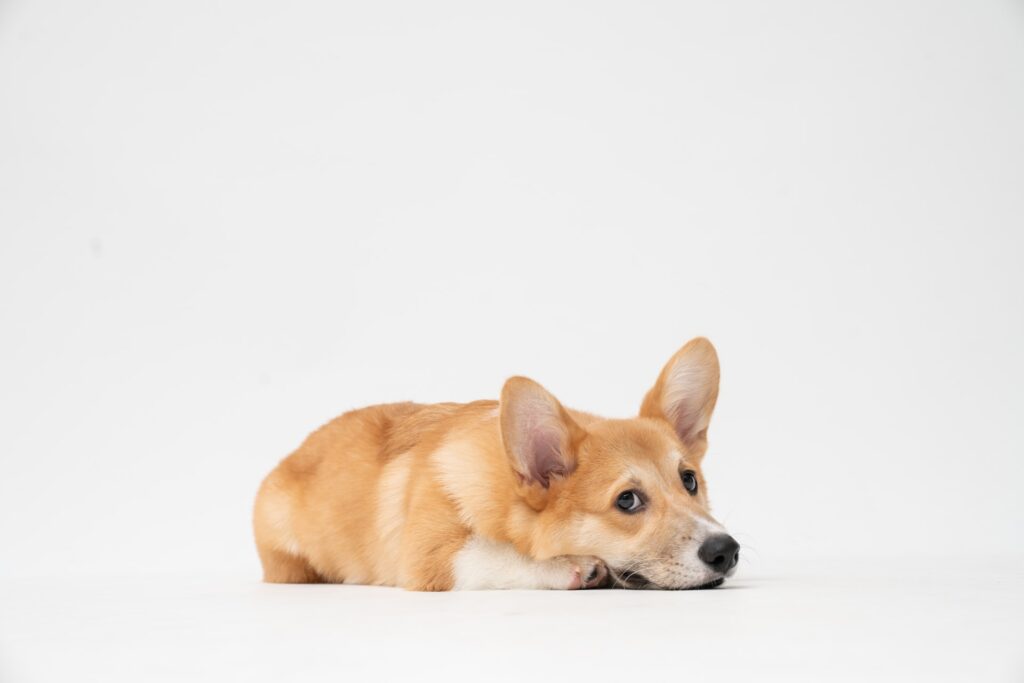
Basset hounds, dachshunds, and corgis are characterized by their elongated bodies and short legs. This unique body structure places these breeds at a higher risk of injury when climbing up and down stairs. Their joints experience increased stress as they support their relatively heavy bodies with their small limbs. If you have a puppy from one of these breeds, it’s advisable to restrict their access to stairs for a longer duration than you might with other breeds.
Giant Breed Concerns
On the flip side, certain giant breeds may encounter challenges with stairs. Many giant dog breeds, such as Great Pyrenees, Great Danes, and Rottweilers, are prone to joint issues at various stages of their lives. Allowing these dogs to frequently navigate stairs could increase the risk of conditions like arthritis or hip dysplasia. If you have one of these breeds and stairs in your home, there’s no need to worry, but it’s advisable to limit their stair usage to necessary instances.
Older Dogs
Lastly, it’s important to keep older dogs away from stairs. As dogs age, they tend to have less cartilage in their joints compared to younger dogs. Engaging in repetitive weight-bearing activities like going up and down the stairs can aggravate existing arthritis and cause discomfort. If you observe hesitation or signs of pain when your older dog uses the stairs, it’s recommended to inform your veterinarian.
Final Thoughts
In conclusion, it is crucial to prevent puppies from going up or down the stairs until they are at least 12 weeks old. Once they reach this age, supervised introduction to stair navigation can begin. However, it is important to note that puppies should not have unrestricted access to stairs until they have reached adulthood. The risk of permanent joint damage from stairs is significant during a puppy’s early development, making it safest to keep them away from stairs altogether.










Розбір теми 2025 року.
⚠️ We suggest that you read all the opinions on our portal and take note of them at your own discretion. Do not self-medicate! In our articles we collect the latest scientific data and opinions of authoritative experts in the field of health care. But remember: only a doctor can diagnose and treat.
The portal is intended for users over 13 years old. Some materials may not be suitable for children under the age of 16. We do not collect personal data from children under 13 without parental consent.We have a small request. We strive to create quality content about pet care, and we make it available for free to everyone because we believe everyone deserves accurate and useful information.
Advertising revenue only covers a small portion of our costs, and we want to continue to provide content without having to increase advertising. If you have found our content useful, please support us. It only takes a minute, but your support will help us reduce our reliance on advertising and create even more useful articles. Thank you!