There is one clever way.
Pets become deeply attached to their owners as they represent their whole world. It becomes even harder to leave them alone every day and let them feel lonely.
There is no trick that will instantly calm the dog in one go. It requires consistent training.
To minimize the stress of separation for your pet and eliminate the element of unexpected departure, you need to train your dog to understand that you may not be home.
There is one clever way. Simply take your bag, keys, put on your outerwear and shoes, and leave. Each time, pet your animal while reassuring them that you will be back soon. Then leave the house and quickly return. Start with 10 seconds and gradually increase the duration.
Regularly conduct such training sessions to help your dog become accustomed to your absence as quickly as possible.
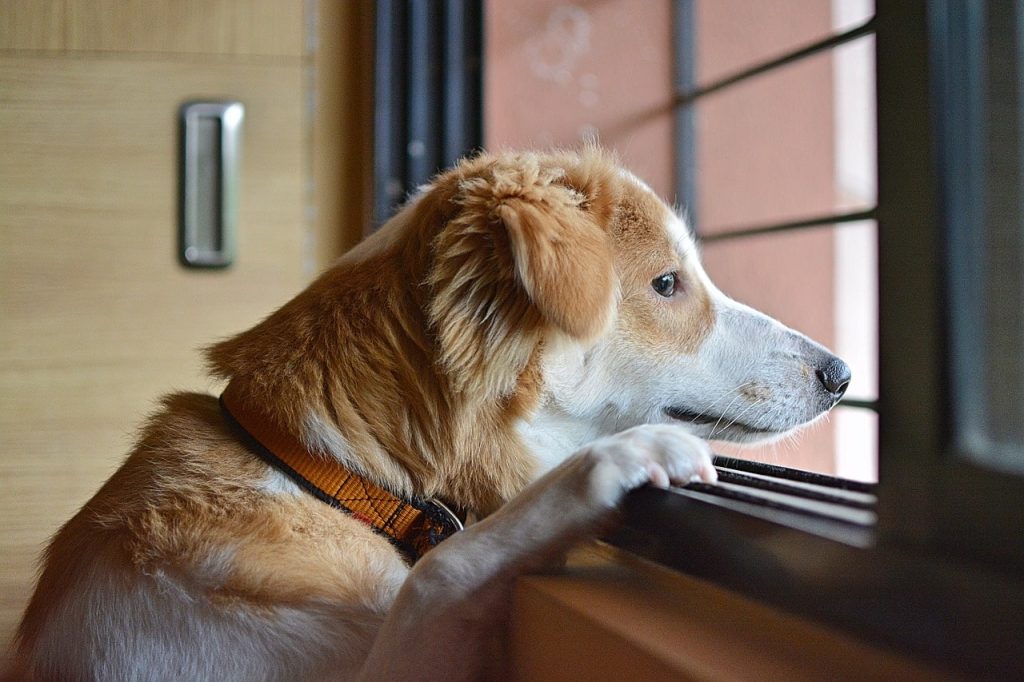
To keep the dog occupied while alone, make sure to provide them with toys. Also, provide free access to a window so they can entertain themselves by observing what’s happening outside. Remember, dogs don’t have TVs, books, or gadgets to diversify their leisure time.
In conclusion, here is some additional information on how to help a dog overcome the fear of being home alone.
- Start with short absences: Begin by leaving your dog alone for just a few minutes and gradually increase the duration over time. This helps them build confidence and trust that you will return.
- Create a safe space: Designate a specific area in your home where your dog feels secure and comfortable. Provide them with their bed, toys, and familiar scents to make it a pleasant environment.
- Use positive reinforcement: Reward your dog with treats, praise, and affection when they exhibit calm behavior during your departures and arrivals. This reinforces positive associations with being alone.
- Practice departure cues: Replicate the actions you normally take when leaving the house, such as picking up your keys or putting on your coat. By desensitizing your dog to these cues, they will become less anxious when they see them.
- Engage in pre-departure activities: Before leaving, engage in activities that help your dog expend energy, such as playing or going for a walk. A tired dog is more likely to relax and rest while you’re away.
- Consider interactive toys: Provide your dog with interactive toys or treat puzzles that keep them mentally stimulated and entertained while you’re gone. This can help alleviate boredom and anxiety.
- Seek professional help if needed: If your dog’s fear of being alone persists or worsens despite your efforts, consult with a professional dog trainer or a veterinarian who specializes in behavior to develop a tailored plan for your dog’s specific needs.
The duration that you can leave a dog alone depends on their age, breed, health, and individual temperament. Puppies and certain breeds may have shorter tolerance for being alone compared to adult dogs. Generally, it’s recommended to avoid leaving a dog alone for more than 4-6 hours, especially on a regular basis.
Remember, each dog is unique, and it’s important to observe and understand your dog’s behavior and adjust your approach accordingly to help them overcome their fear and feel more comfortable being home alone.









Поради щодо здоров’я та харчування тварин у 2025.
⚠️ We suggest that you read all the opinions on our portal and take note of them at your own discretion. Do not self-medicate! In our articles we collect the latest scientific data and opinions of authoritative experts in the field of health care. But remember: only a doctor can diagnose and treat.
The portal is intended for users over 13 years old. Some materials may not be suitable for children under the age of 16. We do not collect personal data from children under 13 without parental consent.We have a small request. We strive to create quality content about pet care, and we make it available for free to everyone because we believe everyone deserves accurate and useful information.
Advertising revenue only covers a small portion of our costs, and we want to continue to provide content without having to increase advertising. If you have found our content useful, please support us. It only takes a minute, but your support will help us reduce our reliance on advertising and create even more useful articles. Thank you!