Discover the ultimate guide to Australian Cattle Dog exercise with expert suggestions. Learn how to keep your energetic Blue Heeler healthy and happy through proper exercise routines, including walks, playtime, mental stimulation, and more. Find essential tips to prevent overexertion, address behavior issues, and tailor exercises for puppies and seniors. Unlock a deeper understanding of your Australian Cattle Dog’s unique exercise needs and ensure their well-being.
The Australian Cattle Dog, also referred to as the Blue Heeler or Red Heeler based on coat color, is a highly active working breed. They were originally bred for cattle herding on Australian stations, showcasing exceptional work ethic and intelligence.
How much exercise does an Australian Cattle Dog need?
A healthy adult Blue Heeler thrives with ample exercise and activity. They require a minimum of 1 to 2 hours daily, although more is advantageous. Given their high intelligence, mental stimulation and enrichment activities are also essential to keep their minds engaged.
Factors like age and health influence the ideal exercise regimen for your Australian Cattle Dog. Tailoring exercise to your Blue Heeler’s life stage is crucial. Failing to meet their exercise needs can lead to issues like barking, digging, and hyperactivity. Proper exercise aids in obedience, mental well-being, and overall happiness.
Inadequate release of pent-up energy and mental engagement can lead to “velcro dog syndrome,” where your Blue Heeler follows you everywhere.
For dogs left home frequently, ensuring they receive substantial exercise is paramount to prevent problems. Excessive energy buildup can result in destructive behavior.
How to exercise an Australian Cattle Dog puppy
Exercising a Blue Heeler puppy necessitates careful consideration of their developing bones, joints, and muscles. Avoid strenuous or repetitive activities that might harm growth plates.
Despite seemingly boundless energy, puppies have short bursts of stamina and spend ample time resting. Rest is vital for their energy-consuming growth phase. Gradually increase exercise duration as they mature.
A useful guideline is to provide a daily exercise of 5 minutes per month of age, twice daily. For instance, a 4-month-old puppy benefits from two 20-minute sessions.
Balancing exercise, rest, and mental stimulation is pivotal for raising a healthy and well-adjusted Australian Cattle Dog.
Types of Exercise for a Puppy
Leash Walks: For puppies under three months old, avoid public walks until they’re fully vaccinated. Once cleared by your vet, start short, informal walks. Aim for about 5 minutes of walking per month of age. A four-month-old puppy benefits from a 20-minute stroll.
Socializing: Encourage play with other puppies and friendly adult dogs. It fosters social skills, burns energy, and aids in interaction with animals and people.
Play with Toys: Provide safe toys for physical and mental engagement. Toys offer solitary play and bonding during interactive games.
Mental Stimulation: Mental activities like learning commands and tricks enhance brain development and are tiring for puppies. Training enforces rules, boundaries, and obedience.
Exercising an Older Australian Cattle Dog
Senior Considerations: Blue Heelers become seniors around 7 to 8 years old. While energy levels might decrease slightly, they often stay active well into their golden years.
Balanced Activity: Maintain activity levels to keep joints and muscles mobile. Avoid overexertion to prevent injury or soreness. Inactivity risks weight gain and health issues like diabetes, heart disease, and arthritis.
Recommended Exercises:
- Regular Walks: Shorter walks on soft terrain, like grass, are crucial. If fatigue shows, end the walk.
- Swimming: Low-impact water activity helps. Use a lifejacket for buoyancy and rest often.
- Mental Stimulation: Engage their minds to maintain mental sharpness.
- Muscle Strengthening: Counter muscle loss with exercises that support joints and tendons.
Consult your vet for tailored exercise guidelines and concerns. Keep your senior Blue Heeler active and healthy.
Exercising an Overweight Australian Cattle Dog
Australian Cattle Dogs are inherently active, thriving when engaged in day-long work. However, many pet Blue Heelers lack the exercise they need, leading to potential weight issues.
For overweight or obese Blue Heelers, a different approach is necessary. While it might seem counterintuitive, providing them with slightly less exercise is advisable. This strategy aims to ease stress on their joints, tendons, heart, and lungs, considering the added body weight.
Burning a mere few hundred calories demands extensive physical activity. Effective weight management for your Blue Heeler centers around a calorie deficit, achieved by reducing calorie intake.
Varieties of Exercise for an Australian Cattle Dog
Daily exercise for your Blue Heeler should encompass four main types or categories.
Regular Walks
Regular walks are a vital aspect of your Blue Heeler’s routine, ideally once or twice a day. Consistent shorter walks are more effective than infrequent long ones. Aim for a minimum of 45 to 60 minutes daily. If your Blue Heeler walks on a leash, teaching loose leash walking is advisable to prevent pulling.
Due to their high-energy nature as working dogs, a simple walk around the block on a leash won’t exhaust them significantly. Yet, the benefits extend beyond physical activity, offering mental and social stimulation, training opportunities, and bonding time.
Off-leash walks in a park are ideal if your Blue Heeler responds to commands. Trained Blue Heelers are generally obedient. Alternatively, using a long line provides them with more freedom while maintaining control.
For added challenge, consider using a weighted vest or dog backpack, up to 10% of their body weight. This provides ample muscle stimulation without excessive strain. Further intensity can be achieved by walking on sand, through water, or incorporating uphill sections and stairs into the route.
Activities to Burn Energy
Blue Heelers possess high energy levels, impressive endurance, and robust cardio fitness. In addition to regular walks, incorporating energy-burning games and activities is crucial. Explore the suggestions and ideas below, while also considering suitable toys to facilitate exercise and energy expenditure for your Blue Heeler.
Building Strength and Muscle
Maintaining optimal muscle condition is vital to prevent injuries and support their joints and tendons. Muscle-focused exercise also aids in fat burning, preventing the risk of excessive weight gain. Refer to the following section for strength exercises tailored for your Blue Heeler.
Enrichment and Cognitive Stimulation
Renowned for their intelligence, problem-solving skills, and rapid learning, Blue Heelers require mental engagement as much as physical activity. Neglecting mental stimulation can prompt them to seek self-challenges when boredom strikes, often leading to undesirable behavioral issues.
Recommended Activities for Energy Burning
Apart from the daily walk, diversifying your Blue Heeler’s exercise regimen with energy-burning and muscle-strengthening activities is essential. Here are suggested ideas to incorporate into your dog’s routine:
Herding Balls
Simulating the tasks herding breeds like the Australian Cattle Dog were originally bred for is an excellent exercise approach. This not only provides physical activity but also engages their innate intelligence, delivering enrichment.
While you may not have access to actual livestock for herding, utilizing herding balls serves as a suitable alternative. Herding dogs possess an instinct to chase and manage moving objects. Engaging them in herding games can actually diminish their inclination to herd people and other dogs, a common trait among such breeds.
Herding balls represent a bona fide canine sport known as Treiball. To replicate this exercise at home, specific herding balls are recommended. Given that many herding breeds tend to nip at the ball, selecting a robust option is key. Softer balls are prone to puncture or damage.
Flirt Pole: A Dynamic Exercise Tool
The flirt pole, sometimes referred to as a flirt stick, is a device consisting of a pole with a bungee-style rope attached, featuring a lure or toy at its end. Engaging with it involves moving the toy across the ground in various directions, prompting your dog to chase after it. This activity resonates with a dog’s innate chase and prey instincts.
Incorporating a flirt pole into your dog’s exercise routine offers various advantages:
- Energy Burner: A mere ten-minute session with the flirt pole can rapidly tire out any dog.
- Effortless Workout: Requires minimal effort on your part while providing your dog with an intensive exercise session.
- Muscle Conditioning: The swift movements and directional changes during flirt pole play engage the core and the entire body, contributing to muscle conditioning.
- Training Tool: Effectively teaches impulse control and responsiveness to commands like “leave it.”
- Enrichment: Appeals to your dog’s natural chase and prey instincts, offering an enriching experience.
- Calmness Training: Helps instill a sense of calmness in dogs, aiding them in transitioning from high arousal to a state of calmness—especially beneficial for reactive dogs.
- Ideal for High-Energy Dogs: Flirt pole exercise is highly recommended for dogs with high energy levels.
Engaging Activities for Your Blue Heeler
Engaging in physical activities with your Blue Heeler not only benefits their energy levels but also strengthens your bond. Explore these options to keep them active and satisfied:
Running Together
Running alongside your dog increases their energy expenditure. Whether you run, cycle, or skateboard, it’s a stimulating way for them to release pent-up energy.
Hiking Adventures
Blue Heelers make excellent hiking companions. Opt for hikes under 10 miles, allowing them to carry some gear while avoiding overloading. Remember to consider weather conditions and hydration.
Play Fetch
A lively game of fetch offers energy-burning benefits and quality bonding time. Balls, toys, or sticks can be used, with the unpredictable bounce of a Kong toy adding extra fun.
Automatic Ball Launcher
An automatic ball launcher is perfect for tireless Blue Heelers. It combines fetch with mental stimulation. The IFetch Too is a great choice, shooting balls up to 40 feet and featuring a rechargeable battery.
Remember, tailoring the activity to your Blue Heeler’s age, fitness, and preferences ensures an enjoyable and rewarding experience for both of you.
Frisbee Fun
Engage your Blue Heeler in an energy-boosting frisbee game, adding an element of skill challenge to the excitement of fetch. These agile dogs look stunning playing frisbee. Begin by rolling the frisbee on the ground, progressing to tossing it in the air as they catch it in their mouths.
Gradually increase the distance and height to master the skill. Choose a durable frisbee like the Kong Flyer to ensure long-lasting fun.
Agility Exploration
Dog agility, a recognized sport, offers numerous benefits for your Blue Heeler without requiring official competitions. Create an agility course in your backyard using household items or affordable agility equipment.
Urban Agility, a variation, incorporates obstacles during walks. This not only boosts physical activity but also challenges their minds. Ensure safety and suitability for their ability.
Utilize surroundings for activities like jumping on and off park benches or walking along low walls. Agility enhances both mental and physical stimulation for your Blue Heeler.
Playful Socialization
Encourage your Blue Heeler to interact and play with other dogs, enhancing their energy expenditure and refining social skills. Most Blue Heelers are sociable when well socialized. However, their herding instinct might surface, so observe their interactions.
Dog Toy Fun
Engage your dog in energetic play with toys, whether alone or with you. Interactive and puzzle toys offer mental enrichment alongside energy burning.
Thrilling Dog Sports
Enroll your Blue Heeler in a local dog sports club, aiming for competitive success or recreational enjoyment. With their athletic prowess, Blue Heelers excel in various dog sports such as flyball, agility, protection sports, and more.
Speedy Sprints
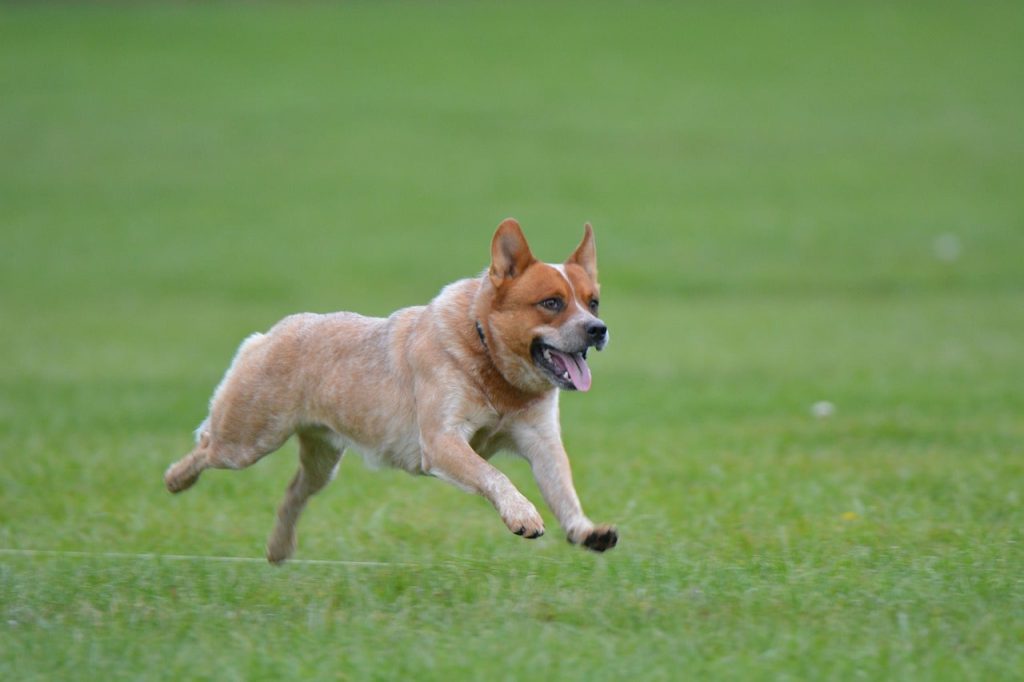
Incorporate short bursts of high-speed running to enhance cardio fitness and strengthen shoulders and legs. Utilize a ball chucker or frisbee for an engaging chase.
Swimming Sessions
Leverage your Blue Heeler’s swimming prowess for cardio and muscle-building exercise. Swimming delivers full-body resistance, particularly beneficial for the front end. Its low-impact nature reduces joint stress while fostering a healthy physique.
Enhancing Muscle Strength
The following exercises are excellent for fortifying your dog’s muscles and promoting strength. Flirt pole exercises and swimming, as previously discussed, are also effective for building muscle.
These activities focus on functional strength and muscle maintenance, rather than bulking up. They contribute to calorie burning and hormone equilibrium.
Weight Pulling
A superb exercise for muscle conditioning and strengthening. Your dog doesn’t need to pull immense weights; moderation is key, especially for beginners.
Gradually increase the resistance to ensure safety. Utilize various items as weights, such as car tires, heavy chains, or weights. Lengthening the distance can also enhance resistance.
Employ a proper weight-pulling harness to prevent injury, distributing weight evenly across your dog’s body.
Tug of War
Tug of war is a favorite among dogs and serves as an excellent muscle-building exercise, particularly for the hindquarters. Encourage your Blue Heeler to crouch back to maximize the benefits.
Some trainers express concerns about tug of war, fearing it may trigger dominant behavior. However, this isn’t entirely accurate. Maintain control during the game, ensuring your dog drops the toy on command. Even if they “win” the game, as long as they return the toy to you, it’s perfectly fine.
Should your dog become possessive of the toy, it’s advisable to conclude the game.
Spring Pole
A spring pole involves a bungee rope affixed to a tree branch or beam, featuring a spring at the top and a lure or toy at the other end. Dogs can engage in a solo tug of war, providing a more comprehensive workout.
This compound exercise effectively engages the neck, core, back, and upper hind legs. It’s a fantastic way to enhance muscle strength.
Stair Exercise
For dogs, walking upstairs serves as an exceptional muscle-strengthening activity. It engages the legs, shoulders, hips, lower back muscles, and core. However, not all dogs are suitable for this exercise, particularly those with back issues.
As your Blue Heeler ascends the stairs, each step bears their entire body weight, effectively working their muscles. On the descent, they must control their movements, engaging in negative muscle contractions.
There are two approaches to stair exercise:
- Quick Run: Prompt them to sprint up the stairs as fast as possible, which can be achieved by tossing a ball ahead. Ensure a controlled descent to prevent accidents. This variation serves as an energy-intensive workout.
- Controlled Walk: Encourage your dog to walk up and down the stairs slowly and in a controlled manner. This is a safer approach and offers more effective muscle strengthening.
Two-Legged Walk
Performing a two-legged walk involves lifting your dog’s front legs off the ground. Then, walk backward over a short distance, followed by lifting their rear end while walking forward, allowing them to “walk” on their front legs, like a wheelbarrow. Keep the duration short, around 30 seconds per repetition. If your dog is uncomfortable with this, avoid pushing them to prevent potential injuries.
Squats
If your dog responds to the “sit” command, they can participate in dog squats. Stand in front of your dog, prompting them to sit and then stand up again. Ensure they maintain a straight body posture to evenly engage both legs. Begin with a low number of repetitions and gradually increase them over time.
Walking Backward
Encourage your dog to walk backward over a brief distance. This targets the hip extensor muscles. Since walking backward isn’t a natural movement for dogs, it might require some practice. Start in a confined space, such as a narrow hallway, to prevent them from turning around. Walk forward, prompting them to back up.
Can Excessive Exercise Harm Your Dog?
Absolutely, you can overexert your Australian Cattle Dog. While Blue Heelers possess remarkable physical capabilities and endurance, dogs themselves may not recognize their own limits and can push themselves too far. It’s crucial to be vigilant for signs of overexertion in your dog.
Particular precautions are necessary when exercising your Blue Heeler in hot weather.
If you’re questioning whether you might be pushing your dog too hard, you likely are. Key indicators to watch out for include:
- Severe Fatigue: Your dog appears exhausted after exercise and takes longer than usual to recover.
- Reduced Pace: They lag behind on walks, contrary to their usual eagerness to lead.
- Extreme Thirst: An excessive need for water.
- Excessive Panting: Heavy and prolonged panting during and after activity.
- Physical Discomfort: Signs of discomfort like limping, lameness, or stiffness.
- Reluctance to Continue: Your dog seems hesitant or unwilling to continue exercising.
- Increased Sleep: An unusually elevated need for rest.
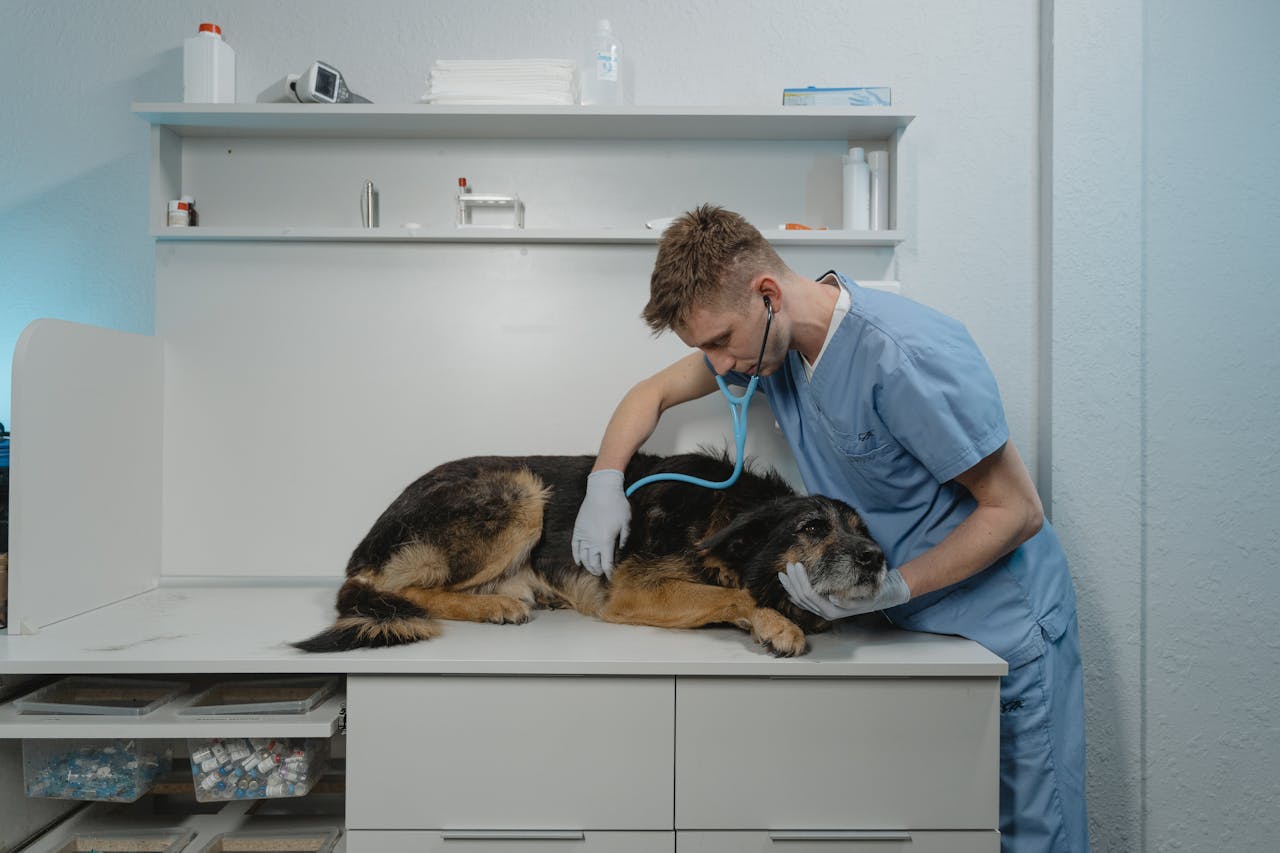
Should you have any concerns, consulting your veterinarian is wise. It could be a case of overexertion or an underlying medical issue that requires attention.
When to Regulate Your Dog’s Physical Activity
There are instances when you should adjust or moderate the extent of exercise for your Blue Heeler. These circumstances encompass age or medical considerations. The following situations warrant attention:
- Life Stage: Puppies (under 12 months) and senior dogs (7 years and older) have distinct exercise requirements compared to healthy adult dogs in their prime.
- Recovery from Illness, Injury, or Surgery: If your dog is recuperating from surgery, sickness, or injury, exercise demands vigilant oversight. Adhering to your veterinarian’s guidelines is vital during this period.
- Post Desexing: While recovering from spaying or neutering, exercise should be limited. The duration of recovery differs between male and female dogs due to the complexity of the procedures. Your vet will provide guidance.
- Pregnancy: Exercise during pregnancy depends on the stage of gestation. Light activity helps maintain muscle, organ function, and prevents boredom. Your pregnant dog’s willingness to walk should guide you. Consult your vet for recommendations.
Recognizing Insufficient Exercise
Often, insufficient exercise is apparent through indicators like pent-up energy, behavioral issues, and restlessness. This can lead to hyperactivity.
Boredom-related behaviors might manifest as excessive barking, digging, destructive actions, and disobedience. Weight gain could also occur despite consistent food intake.
For dogs often left alone, ensuring ample exercise is crucial. Returning to a damaged home is undesirable.
Gradually elevating daily activity levels can be beneficial. Avoid extreme, exhaustive sessions, as they can be counterproductive. Consistent and regular exercise is key.
Summarizing the Exercise Requirements for Australian Cattle Dogs
The Australian Cattle Dog, a breed with robust energy levels, demands substantial daily exercise. Providing 1 to 2 hours of physical activity is advised, though more is welcome.
Their exceptional intelligence necessitates ample mental engagement to keep them occupied. Exercise prerequisites differ for Blue Heeler puppies (under 12 months) and senior dogs (7 years and older) compared to healthy adult dogs.
Neglecting adequate physical and mental stimulation may lead to behavioral problems in Blue Heelers.
The most frequent “question-answer” on the topic: Guide to Australian Cattle Dog exercise – with suggestions.
Australian Cattle Dogs are highly energetic breeds. They need around 1 to 2 hours of daily exercise to stay healthy and content.
Engage them in activities like brisk walks, running, hiking, agility training, and interactive play. Mental stimulation through training and puzzle toys is also essential.
Yes, it’s possible. While they have high endurance, watch for signs of exhaustion, excessive panting, or soreness. Moderation and regular rest are crucial.
Alongside physical activity, engage their intellect through training, interactive toys, puzzle games, and obedience exercises.
For puppies, short bursts of exercise are key. About 5 minutes per month of age, twice a day, helps them develop without overexertion.
High-impact activities like excessive jumping or repetitive movements should be moderated to prevent potential joint issues.
Regular exercise and mental engagement help alleviate boredom-related behaviors like barking, digging, or destructive tendencies.
Yes, allowing them to interact with other dogs fosters social skills and provides an outlet for energy.
Absolutely. Swimming offers a low-impact, full-body workout that’s particularly good for their cardio fitness and muscle strength.
Watch for signs of contentment, a balanced energy level, and the absence of excessive destructive behavior. Gradually adjust exercise routines based on their response.
Yes, exercises like swimming, gentle walks, and mental stimulation games can keep their muscles active and minds sharp without overexertion.
In lieu of a conclusion
Elevate your Australian Cattle Dog’s well-being with this comprehensive exercise guide. From essential routines to tailored suggestions, empower your Blue Heeler’s vitality and happiness. Explore a holistic approach to meet their physical and mental needs, fostering a balanced and thriving companion.


Головні відкриття у догляді за улюбленцями 2025 року.
⚠️ We suggest that you read all the opinions on our portal and take note of them at your own discretion. Do not self-medicate! In our articles we collect the latest scientific data and opinions of authoritative experts in the field of health care. But remember: only a doctor can diagnose and treat.
The portal is intended for users over 13 years old. Some materials may not be suitable for children under the age of 16. We do not collect personal data from children under 13 without parental consent.We have a small request. We strive to create quality content about pet care, and we make it available for free to everyone because we believe everyone deserves accurate and useful information.
Advertising revenue only covers a small portion of our costs, and we want to continue to provide content without having to increase advertising. If you have found our content useful, please support us. It only takes a minute, but your support will help us reduce our reliance on advertising and create even more useful articles. Thank you!