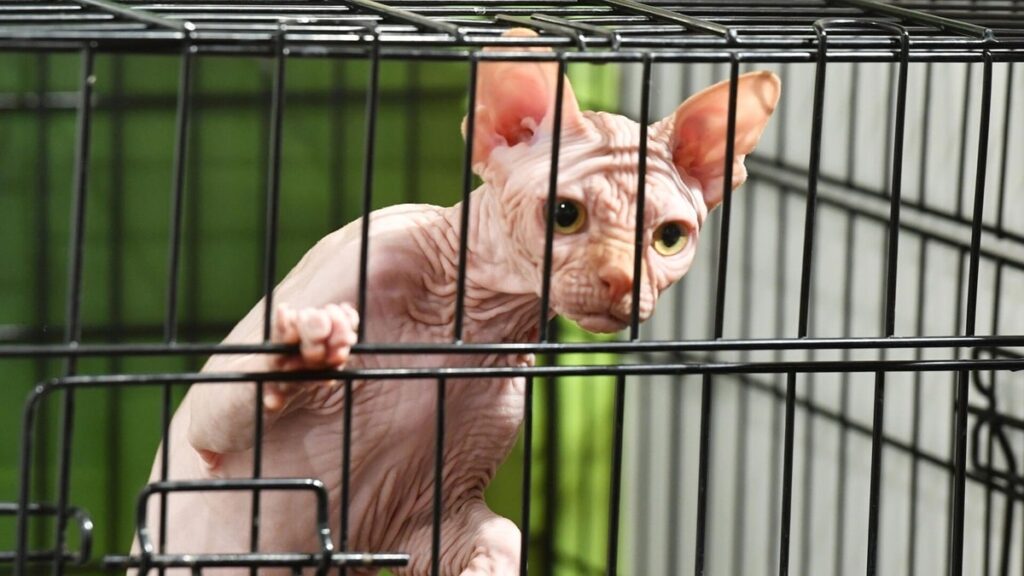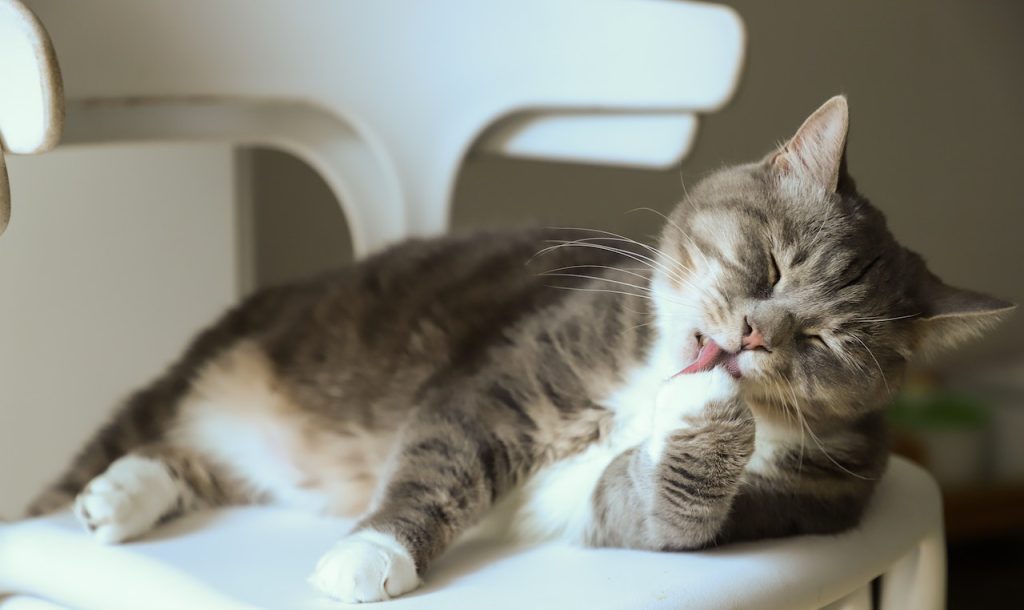
Hairballs, scientifically known as trichobezoars, are a prevalent occurrence in cats, and while usually benign, they can occasionally escalate into significant health concerns. In this comprehensive guide, we delve into the world of hairballs in cats, shedding light on their nature, methods of identification, root causes, and effective prevention strategies.
Understanding Hairballs and Their Origins in Cats
Cats are renowned for their fastidious grooming routines, dedicating nearly 25% of their lives to self-cleaning. Their uniquely textured tongues serve as natural brushes, efficiently ridding them of dirt and loose fur. While saliva aids in this process, it inadvertently leads to the ingestion of hair, giving rise to the formation of trichobezoars, or hairballs.
These hairballs are amalgamations of fur, saliva, gastric juices, and occasionally food particles. Typically, they are expelled from the cat’s system through regurgitation or found in feces. This expulsion process is a natural part of feline physiology. However, when this natural elimination process fails, it can evolve into a serious health concern.
Recognizing Hairball-Related Issues in Cats
Distinguishing between normal hairball formation and problematic cases can be challenging since hairballs are a natural part of a cat’s life. Nevertheless, cat owners should remain vigilant regarding the frequency of hairball expulsion. Keep an eye out for the following symptoms, which may indicate a hairball-related issue:
- Abdominal discomfort
- Vomiting without the elimination of hairballs
- Diarrhea or unusually dry stools
- Loss of appetite
- A general lack of energy or enthusiasm
If any of these warning signs manifest and your cat fails to expel the hairball naturally, it’s imperative to seek prompt veterinary attention. A qualified veterinarian can provide the necessary treatment and, if required, perform procedures to safely remove the hairball.
Principal Factors Contributing to Hairball Formation
Beyond the inherent grooming habits of cats, several factors can exacerbate the formation of hairballs:
- Skin Diseases: Dermatitis and allergies can trigger increased grooming, resulting in more frequent hairballs.
- Stress: Anxiety and stress can also drive excessive grooming behavior, leading to heightened hairball production.
- Long Coat: Cats with lengthier fur are more susceptible to hairball formation due to increased shedding.
- Malnutrition: Even seemingly healthy or overweight cats can suffer from malnutrition, leading to excessive hair shedding and a higher likelihood of hairball formation. Maintaining proper nutrition is paramount in preventing this issue.
Preventing Excessive Hairball Formation
Though completely eradicating hairballs is an unattainable goal, there exist effective strategies to curtail their excessive formation:
- Regular Grooming: The introduction of frequent grooming sessions can effectively mitigate the overconsumption of dead hair.
- Sufficient Hydration: Encourage your cat to consume clean, fresh water regularly to uphold hair health and reduce excessive shedding.
- Physical Activity: Stimulate your cat with engaging activities to enhance bodily functions, thereby facilitating the natural expulsion of hairballs.
- Nutrient-Rich Diet: Invest in diets containing functional foods and nutraceuticals to expedite intestinal transit, preventing the aggregation of hair into obstructions.
- Offer Greenery: Cats have an affinity for consuming grass, which aids in facilitating intestinal transit. Consider cultivating cat-friendly grasses like corn grass.
- Flea and Tick Management: Prevent infestations that prompt incessant licking and grooming, which can lead to hairball formation.
- Regular Veterinary Checkups: Consistent visits to the vet can help detect potential issues early on.
- Maintain a Clean Environment: A tidy living space contributes to overall feline health and well-being.
Conclusion
- Understanding and Managing Hairballs: Hairballs are a natural and typically benign occurrence in cats. However, if not managed properly, they can escalate into a serious health concern. The formation of trichobezoars is a complex process influenced by factors like grooming habits, skin conditions, stress, coat length, and nutrition. Recognizing the signs of a problem and comprehending the underlying causes are essential for responsible pet ownership.
- Prevention Strategies: Prevention is paramount when it comes to managing hairballs, necessitating a comprehensive approach. Regular grooming, ensuring adequate hydration, promoting physical activity, providing a high-quality diet, enriching the environment, and maintaining routine veterinary care are all crucial elements in minimizing the risk. Tailoring these strategies to your cat’s specific needs can significantly enhance their overall well-being and happiness.
- A Holistic Approach to Cat Care: Ultimately, managing hairballs is part of a broader commitment to holistic cat care. It encompasses more than addressing a single issue; it’s about comprehending your cat’s overall health and taking proactive measures to ensure a contented and healthy life. Regular communication with a veterinarian and a willingness to adapt and respond to your cat’s unique needs will foster a positive relationship and enrich the life of your feline companion.
Hairballs in cats form when they ingest loose fur during grooming, which accumulates in their stomach and cannot be digested or passed easily.
Hairballs are usually not a serious issue, but if left unmanaged, they can occasionally lead to digestive blockages or other health problems.
Common signs include hacking or coughing, vomiting, reduced appetite, and lethargy.
Regular grooming removes loose fur, reducing the amount of hair a cat ingests during self-grooming.
Adequate hydration helps maintain the health of your cat’s digestive tract and can reduce the risk of hairballs forming.
Yes, a high-fiber or hairball-specific diet can help move ingested hair through the digestive system more effectively.
Playful activities, such as interactive toys and laser pointers, can encourage movement and help prevent hairballs from becoming problematic.
Yes, many cats enjoy eating grass, which can aid in the natural passage of hair through their digestive system. Consider growing cat-friendly grass indoors.
Regular checkups, typically once or twice a year, allow your vet to assess your cat’s overall health, including any hairball-related concerns.
The key is prevention through a holistic approach, which includes grooming, hydration, diet, exercise, and routine vet visits, tailored to your cat’s individual needs.
Як змінився світ тварин у 2026 році — наш погляд.









⚠️ We suggest that you read all the opinions on our portal and take note of them at your own discretion. Do not self-medicate! In our articles we collect the latest scientific data and opinions of authoritative experts in the field of health care. But remember: only a doctor can diagnose and treat.
The portal is intended for users over 13 years old. Some materials may not be suitable for children under the age of 16. We do not collect personal data from children under 13 without parental consent.We have a small request. We strive to create quality content about pet care, and we make it available for free to everyone because we believe everyone deserves accurate and useful information.
Advertising revenue only covers a small portion of our costs, and we want to continue to provide content without having to increase advertising. If you have found our content useful, please support us. It only takes a minute, but your support will help us reduce our reliance on advertising and create even more useful articles. Thank you!