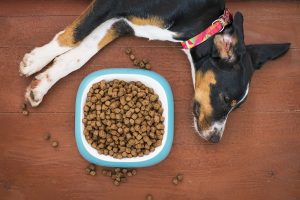
If your furry companion seems fatigued, queasy, or loses interest in food following antibiotic treatment, it might hinder their ability to consume meals. A pet’s body requires sufficient strength to combat illnesses and mend damaged cells.
If your pet initially refuses to eat, allow a few days to pass before attempting to feed them again. For persistent refusals, consider adding flavor or aroma to their food.
Dogs and cats rely more on their sense of smell than taste buds to discern palatable from unappetizing fare. Warming their food can enhance its aroma, and a mild, low-sodium chicken, meat, or broth-based diet is often a suitable dietary choice.
When we mention a pet’s gut microbiome, we’re referring to the microorganisms inhabiting their digestive tract. Veterinarians may prescribe antibiotics when pets are diagnosed with infections.
Oral antibiotics, unfortunately, cannot differentiate between “harmful” bacteria causing infections and “beneficial” bacteria essential for overall health, so they eliminate both types. Consequently, some pets may experience chronic digestive issues like diarrhea, vomiting, or constipation due to this prolonged disruption in their digestive systems. Nevertheless, studies have shown that incorporating antibiotics into pet diets can be beneficial for their digestive well-being.
What Are the Potential Side Effects of Antibiotics in Dogs?
Oral antibiotics are typically administered through pills, capsules, or liquids. While some medications are taken once or twice a day, others require more frequent dosing. It’s advisable to administer antibiotics with food to reduce the likelihood of gastrointestinal side effects.
Antibiotics, although potentially life-saving, are not without risks. Your veterinarian may have prescribed them to address specific health concerns in your dog.
If your dog experiences adverse effects from antibiotic treatment, promptly contact your veterinarian. Adjustments to antibiotic dosages or alternative medications may be recommended.
Antibiotics can disrupt the balance of the microbiome as they cannot distinguish between beneficial and harmful bacteria. Consequently, yeast infections and gastrointestinal disturbances may occur as potential side effects.
If your dog’s microbiome becomes imbalanced, probiotics may assist in restoring beneficial bacteria and mitigating potential complications. Consult your veterinarian for guidance on administering probiotics to your pet.
It’s essential to note that antibiotics are ineffective against viral infections, both in humans and animals. Prescribing antibiotics as a preventive measure for subsequent infections caused by viruses is no longer standard practice.
Furthermore, the emergence of antibiotic-resistant bacteria poses significant challenges in treating illnesses in both humans and animals. As a result, veterinarians prescribe antibiotics only when essential and strictly adhere to recommended dosages to combat this growing concern.
Can Antibiotics Lead to Drowsiness?
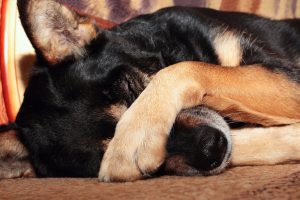
It’s worth noting that antibiotics can indeed induce drowsiness, and it’s essential to be aware of this potential side effect. While relatively rare, some commonly prescribed antibiotics may have this unusual but concerning consequence.
The underlying cause of fatigue has been a perplexing enigma for scientists over the years. One hypothesis links it to disruptions in the body’s digestive system biome and a decrease in nutrient absorption.
The depletion of beneficial bacteria in the body could contribute to feelings of exhaustion. However, it’s crucial to recognize that not all antibiotics lead to fatigue. Sleepiness or weariness is an infrequent side effect associated with only a select few of the most commonly prescribed medications.
Antibiotics exhibit a wide range of effects, and it’s essential to bear this in mind. It is advisable to consult your healthcare provider about potential side effects and the suitability of a specific antibiotic for your condition.
Before initiating any medication, it’s important to ascertain that your fatigue is not stemming from an underlying health issue. Similarly, if you’re concerned about your dog’s health, consult with a veterinarian to address any potential problems.
Furthermore, make sure your dog’s veterinarian is informed if your pet is concurrently taking other medications. This disclosure is critical because antibiotics can interact with other drugs your pet may be taking.
Can Amoxicillin Make Dogs Drowsy?
Yes, amoxicillin, an antibiotic commonly used for dogs, has been associated with drowsiness and fatigue in canine companions. Additionally, the administration of amoxicillin to pets can sometimes result in gastrointestinal issues, which, in turn, may lead to tiredness.
It’s important to note that many of amoxicillin’s side effects in dogs are related to the gastrointestinal system. If your pet experiences adverse effects after taking amoxicillin, it’s advisable to seek guidance from your veterinarian.
To make medication administration more palatable for pets, some individuals find that pairing it with a tasty treat can be effective. Certain reptile foods can also be used to administer medication for similar symptoms seen in amphibians.
Even if your pet’s appetite is affected by side effects like lethargy caused by amoxicillin, it’s crucial to ensure they continue eating. Adequate nutrition is essential for their energy levels to combat illnesses and facilitate recovery.
Should your pet’s appetite decline while on amoxicillin, do not hesitate to consult your veterinarian. Some pet owners resort to meal enhancements and pet-safe broths to entice picky eaters.
Additionally, be vigilant for signs of hives or allergic reactions. If your pet’s response to medication is inadequate, seek immediate emergency care. Your veterinarian may need to prescribe an alternative to penicillin to treat your pet’s condition.
It’s worth noting that the use of amoxicillin in dogs requires veterinary approval. Consequently, pet owners cannot obtain this antibiotic from a pet store without access to on-site veterinary services or a licensed pet pharmacy.
How Long Does It Take for Antibiotics to Take Effect in Dogs?
The onset of antibiotic effects in dogs typically begins within one to two hours of administration. Nevertheless, the transformation is often gradual, and observable improvements may take several days to become apparent, even if not immediately noticeable.
Amoxicillin is available in various forms for oral administration, such as tablets, pills, or liquid suspensions. To minimize the risk of vomiting when taken on an empty stomach, it is advisable to have your dog eat something before administering future doses.
Unless otherwise instructed, it is essential to complete the entire recommended course of the medication. For liquid forms, precise measurement and thorough shaking before administration are crucial steps.
Exercise caution when using bacteriostatic antimicrobials, probenecid, methotrexate, or warfarin in conjunction with amoxicillin. Inform your veterinarian if your pet is currently taking any other medications to ensure their compatibility.
While your pet is undergoing treatment with this medication, no special supervision is typically required. Nevertheless, your veterinarian may periodically assess the medication’s effectiveness and your pet’s response to it.
Historically, both the veterinary and medical fields have sometimes leaned too heavily on antibiotic prescriptions. This practice not only contributes to antibiotic resistance but also poses potential health risks to patients.
In lieu of a conclusion
In summary, understanding the timeline for antibiotic effectiveness in dogs, as well as proper administration and potential interactions, is crucial for ensuring the well-being of our furry companions. It’s important to follow veterinary guidance diligently and recognize the broader concerns related to antibiotic usage in both human and animal healthcare. Responsible antibiotic usage remains a pivotal aspect of preserving the health of our pets and safeguarding against antibiotic resistance.
Yes, antibiotics can potentially lead to drowsiness in dogs as a side effect.
Drowsiness can occur as a response to certain antibiotics, although the exact mechanisms are not always well understood.
Drowsiness is generally considered a less common side effect of antibiotics in dogs, but it can still occur.
While drowsiness can be associated with various antibiotics, it may be more prevalent with certain medications. Your veterinarian can provide information on specific antibiotics and their potential side effects.
Drowsiness can manifest shortly after beginning antibiotic treatment or may take some time to become noticeable.
While drowsiness can be a side effect, it’s essential to monitor your dog’s overall condition. If you have concerns about drowsiness or other side effects, consult your veterinarian.
Yes, the dosage and the specific antibiotic prescribed can impact the likelihood of drowsiness in dogs. Your veterinarian will consider these factors when choosing an antibiotic for your pet.
Adjusting the timing of medication administration or discussing alternative antibiotics with your veterinarian may help alleviate drowsiness if it becomes problematic.
It’s crucial to follow your veterinarian’s instructions regarding antibiotic administration. If drowsiness persists or worsens, consult your vet for guidance on whether to continue or adjust the treatment.
Drowsiness, while a potential side effect, should not be the sole reason to avoid antibiotics if they are medically necessary. Discuss any concerns about antibiotic side effects with your veterinarian, who can provide guidance on the best treatment options for your dog’s condition.








Найкращі практики догляду за хвостиками у 2025.
⚠️ We suggest that you read all the opinions on our portal and take note of them at your own discretion. Do not self-medicate! In our articles we collect the latest scientific data and opinions of authoritative experts in the field of health care. But remember: only a doctor can diagnose and treat.
The portal is intended for users over 13 years old. Some materials may not be suitable for children under the age of 16. We do not collect personal data from children under 13 without parental consent.We have a small request. We strive to create quality content about pet care, and we make it available for free to everyone because we believe everyone deserves accurate and useful information.
Advertising revenue only covers a small portion of our costs, and we want to continue to provide content without having to increase advertising. If you have found our content useful, please support us. It only takes a minute, but your support will help us reduce our reliance on advertising and create even more useful articles. Thank you!