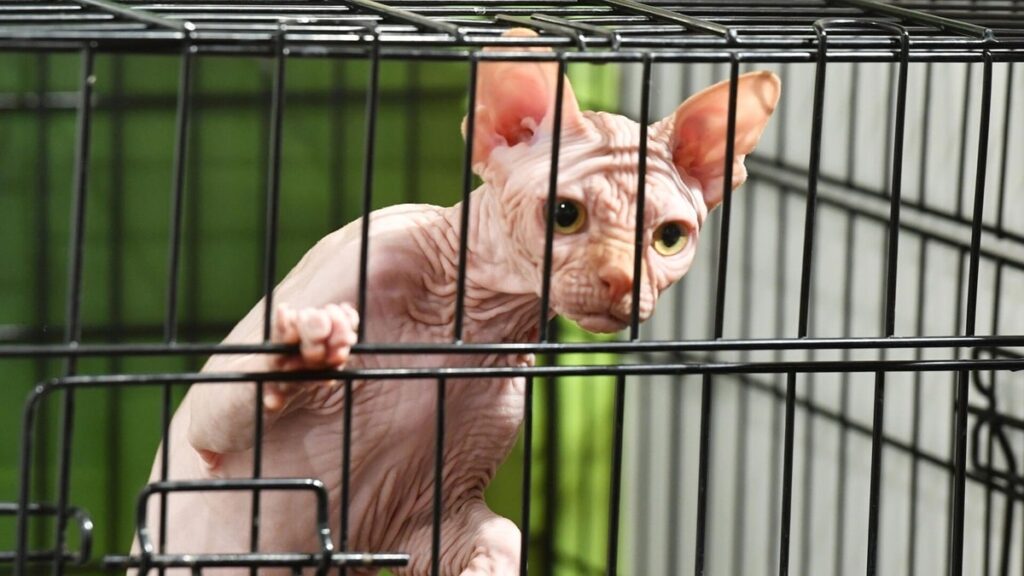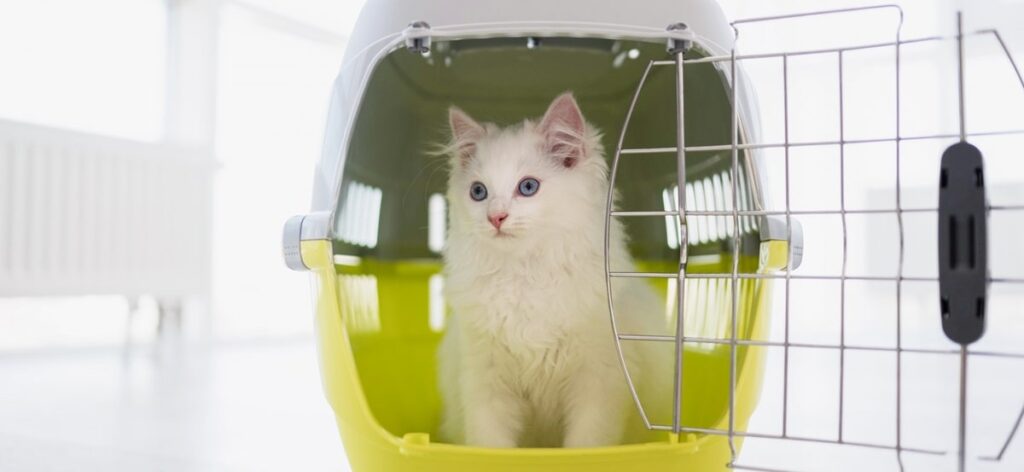
Crate training is a well-known practice for dogs, yet it’s less commonly known that cats can also be crate trained. While the training approach differs from that of dogs and may demand more patience, it’s achievable for most cats.
Though crate training offers various benefits, executing it effectively can be challenging. To assist you, we’ve gathered some highly practical tips for cat crate training that you can begin implementing today with your beloved feline.
The 5 Tips & Techniques for Crate Training a Cat
1. Understand the Benefits
While many cats may express dislike for crates or travel carriers, crate training, when approached with patience and care, can offer significant advantages for both you and your feline companion. Let’s briefly explore these benefits below to provide you with motivation as you navigate this gradual process.
Benefits of Crate Training Cats:
- Safety: Crating provides a secure and cozy environment for your cat during various situations, including vacations, vet visits, when you’re away at work, or during potentially frightening or hazardous events.
- Anxiety Reduction: Cats naturally seek out secluded, dark spaces as a retreat when feeling overwhelmed, and a crate serves as a controlled and safe haven for this behavior.
- Travel Convenience: Cats that are comfortable with crates have expanded travel options, making vacations or stays in kennels more feasible.
2. Selecting the Right Crate for Your Cat
Both small and large crates offer distinct advantages. Small crates provide enhanced durability during travel, ensuring your cat’s safety, while larger crates offer more space and comfort. Ideally, your cat’s crate should provide ample room for lying down comfortably and accommodate a litter box. Depending on the duration of confinement, you may also consider space for a water and food bowl, particularly for extended periods such as when you’re working long hours or on a day trip without your cat.
Additionally, it’s crucial to choose the appropriate type of crate for your cat. For kittens, a crate with a divider allows for growth adaptation. However, too much space can impede training progress, so consider your cat’s needs carefully. You may opt for a single crate to serve as both a den and travel carrier or invest in a smaller, cozier crate for vet visits and a larger one for home use.
Finally, some cats may never acclimate to crate confinement, especially older rescues or strays accustomed to outdoor living. In such cases, alternatives like a baby gate or cat-proofed room may be necessary. However, many of the same principles discussed here apply to these alternative approaches as well.
3. Begin Slowly
Unlike dogs, cats don’t easily conform to training and won’t become crate trained overnight. In fact, initially, it’s advisable to remove the crate door, if possible, or leave it open. While this may seem counterintuitive, confinement can be intimidating for cats unfamiliar with the concept.
Introduce the crate gradually to your cat by placing it in a familiar area with the door removed or open. Your cat can then explore it at their leisure. However, cats are typically wary of new objects in their environment, so don’t be surprised if they initially ignore the crate. This observation period allows you to gauge your cat’s reaction and prepare for the next step.
4. Transform the Crate into a Positive Environment
Instead of serving meals in their usual spot, place your cat’s food inside the crate. Additionally, include some favorite bedding and toys that your cat already enjoys. The aim is to create a pleasant and relaxed atmosphere in the crate, enticing your cat to enter willingly. If they do so independently, it’s a promising sign of progress. However, don’t be disheartened if your cat shows resistance and takes longer to adjust.
You might consider sitting near the crate on the floor when your cat is inside to foster more positive associations. Offering occasional treats can also help reassure more timid cats struggling with crate acceptance.
It’s crucial never to employ the crate as a form of punishment for undesirable behavior. Raising your voice or placing your cat in the crate unexpectedly can induce anxiety or fear, and closing the door before they’re ready can undo all your efforts.
5. Closing the Crate Door
Closing the crate door can be intimidating for kittens and some adult cats, so it’s advisable to start by closing it for only a few minutes initially. If they become distressed, you can either let them out or try speaking to them in a soothing tone to calm their nerves. If this proves effective, offering a treat can reinforce positive behavior in the crate. For every few minutes they remain calm inside the crate, reward them with a treat.
Beginning with about 5 minutes during your initial attempts to close the door is a prudent approach, gradually increasing the duration to 10, then 15 minutes, and beyond. Proceeding slowly is crucial, as stressing out your cat can hinder progress significantly. If they suddenly exhibit intolerance toward the crate without apparent reason, it’s essential to take a step back and proceed at a slower pace.
Ultimately, crate training is a gradual process rather than a quick fix. If your cat doesn’t require crate confinement for a specific reason, it’s important to proceed at their pace. After all, the goal is to assist them while making your life easier. If crate training isn’t effective at this stage, you may consider following earlier advice and setting up a cat-proofed room for temporary confinement when necessary.
Conclusion
Crate training may not come as naturally to cats as it does to dogs, but with patience, treats, and time, it’s usually achievable. Above all, it’s crucial not to rush the process and to honor your cat’s boundaries if they truly detest the crate despite your best efforts.
While it’s not recommended to crate your cat all day, you can do so for shorter periods if necessary. Ensure breaks, space for movement, and toys for engagement.
Crate training should be gradual and positive. Use treats and familiar scents to create a welcoming environment. Never force your cat into the crate.
Signs of stress include excessive meowing, pacing, panting, or hiding. Adjust crate time and conditions accordingly.
Yes, alternatives include cat-proofed rooms or designated areas, playpens, or supervised playtime, depending on your cat’s needs and your living situation.
Regularly clean the crate by removing bedding and wiping surfaces with pet-safe cleaners to ensure a hygienic environment.
Patience and positive associations are key. Use treats and soothing words to reassure your cat. Gradual desensitization can help.
Crating multiple cats can be challenging and may lead to stress or aggression. If necessary, provide separate crates and monitor interactions closely.
While similar, kittens may have shorter attention spans. Training sessions should be shorter and more frequent, with an emphasis on positive reinforcement.
The duration depends on factors like age, temperament, and specific circumstances. It’s essential to remain attentive to your cat’s cues and adjust crate time accordingly.
If your cat consistently dislikes the crate despite efforts, consider alternatives like cat-proofed rooms. Respect your cat’s boundaries and avoid forcing them into the crate.










Сучасні підходи до виховання домашніх улюбленців у 2025.
⚠️ We suggest that you read all the opinions on our portal and take note of them at your own discretion. Do not self-medicate! In our articles we collect the latest scientific data and opinions of authoritative experts in the field of health care. But remember: only a doctor can diagnose and treat.
The portal is intended for users over 13 years old. Some materials may not be suitable for children under the age of 16. We do not collect personal data from children under 13 without parental consent.We have a small request. We strive to create quality content about pet care, and we make it available for free to everyone because we believe everyone deserves accurate and useful information.
Advertising revenue only covers a small portion of our costs, and we want to continue to provide content without having to increase advertising. If you have found our content useful, please support us. It only takes a minute, but your support will help us reduce our reliance on advertising and create even more useful articles. Thank you!