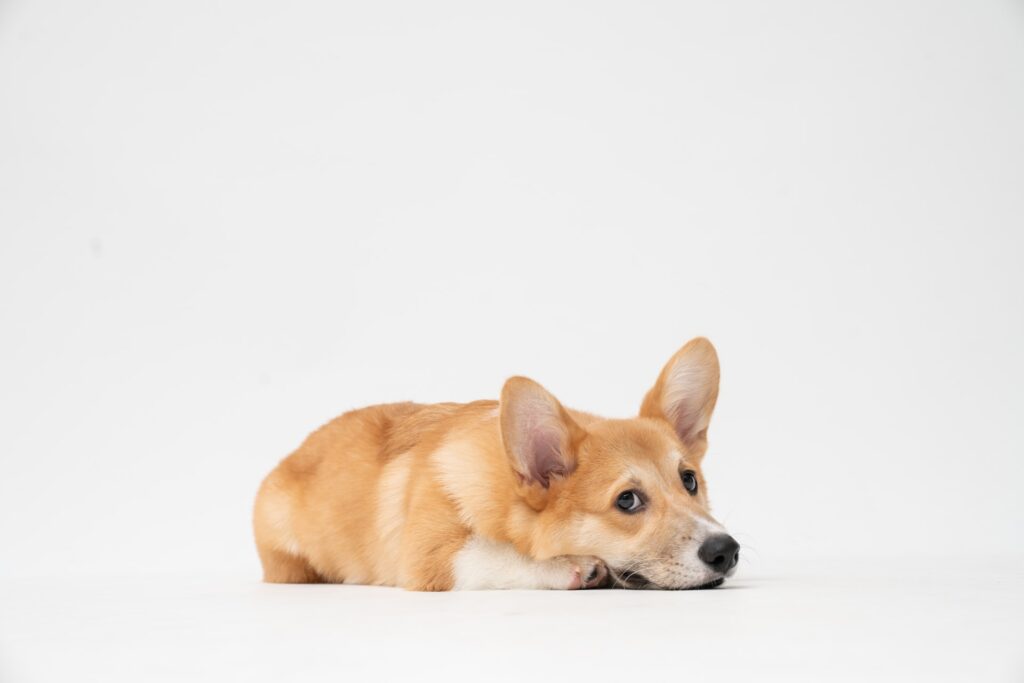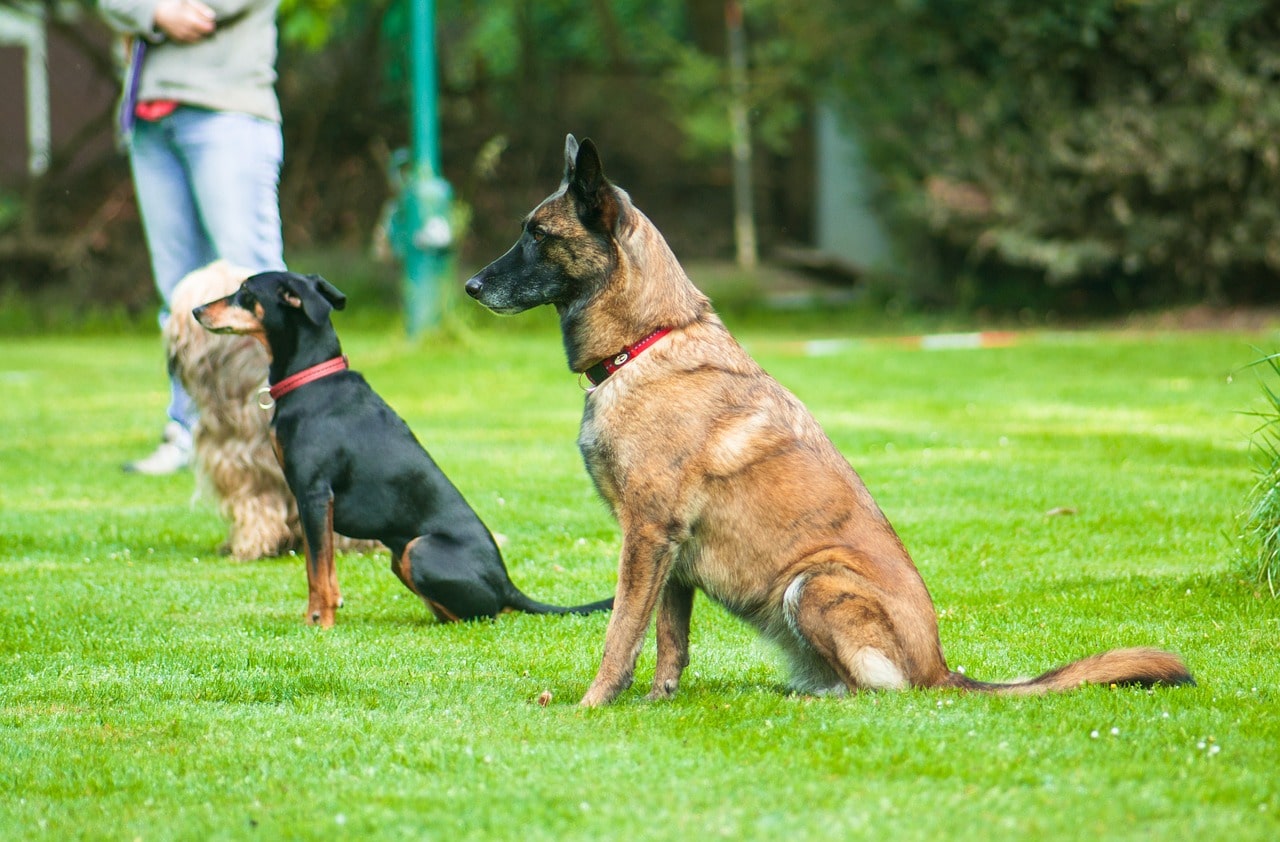
In the world of dog breeding, each breed has its own unique characteristics that determine its behaviour, tendencies and abilities. Understanding these traits is key to successful training. This article discusses the importance of considering breed characteristics during training and how to adapt training methods to accommodate them. The history and purpose of each dog breed influence their behaviour and abilities. This diversity of characteristics requires a tailored training approach, taking into account the specific needs and tendencies of each breed.
Breed characteristics in training
In the world of dog breeding, dogs can learn many specialised skills to assist humans in various fields. These skills range from providing security and protection to assisting people with disabilities and searching for missing persons, and are important to society. Training dogs to acquire these specialised skills requires specific techniques, patience and professionalism.
Understanding breed characteristics is key to training a dog. Each breed has unique traits that determine its behaviour and abilities. For instance, breeds intended for fieldwork tend to be highly energetic and active, while herding breeds often exhibit protective instincts and a tendency to guard their territory.
Taking these characteristics into account enables you to adapt training methods to achieve the best results. For instance, when training hunting dogs, it is important to develop their instincts and search skills. In contrast, when working with herding dogs, more attention must be given to socialisation and aggression control.
Considering the individual characteristics of the breed is also important for maintaining the dog’s health and well-being. Some breeds are more susceptible to certain diseases or hereditary issues and require special care. Large breeds, for instance, often suffer from joint problems, so their training should be gentler and more careful to avoid injury.
It is also important to take into account the individual characteristics of the breed when maintaining the health and well-being of the dog. Some breeds are more susceptible to certain diseases or hereditary issues and require specific care and attention. For instance, large breeds often suffer from joint problems, so their training should be gentler and more careful to avoid injury.
Taking breed-specific characteristics into account is an integral part of successful dog training. Understanding a breed’s unique traits allows you to develop a personalised training approach, ultimately leading to better results and strengthening the bond between dog and owner.
Adapting training methods to specific breeds
Training a dog involves more than just teaching; it is also a harmonious interaction between owner and pet. Each breed has unique characteristics that must be considered when selecting training methods. Tailoring the training approach to a breed’s specific traits enables you to achieve optimal results and foster a stronger bond between dog and owner.
The first step to successful training is to understand the breed. Each breed has unique character traits, physical characteristics and abilities that must be considered when developing training methods.
- Specification of requirements: It is important to define specific training goals and objectives for each breed. For instance, the training requirements for a guard dog breed will differ from those for a breed intended for hunting or sports competitions.
- Individualised approach: Based on the breed’s unique characteristics, the training approach must be tailored accordingly. Some breeds may be more prone to stress, while others may rely more heavily on praise or rewards.
- Taking physical characteristics into account: The breed’s physical characteristics also play an important role in choosing training methods. For instance, larger breeds of dog may require more intense training than smaller breeds.
- Use of motivational methods: Motivational methods, such as positive reinforcement and rewards, can be particularly effective when training certain breeds. These methods strengthen the bond between dog and owner, improving training results.
- Consulting with professionals: If necessary, seek help from professional trainers or instructors who have experience working with your dog’s breed. They can offer personalised training tailored to your dog’s characteristics and needs.
The influence of breed characteristics on training
In the world of dog breeding, there are many different breeds, each with unique characteristics, instincts and abilities. Understanding these characteristics is important for training a dog effectively, as it enables you to select methods and approaches that consider your pet’s individual needs and traits.
Guard dog breeds, such as German Shepherds and Rottweilers, for example, are often highly intelligent and loyal to their owners. These qualities make them ideal candidates for security and protection training. Conversely, hunting breeds, such as Labrador Retrievers and Spaniels, typically have high energy levels and stamina, making them well-suited to training in hunting and game-finding.
Companion breeds, such as pugs or chihuahuas, tend to be highly socialised and affectionate towards their owners. This makes them well-suited to various types of training related to everyday life, as well as leash training and performing tricks.
Working breeds, such as Border Collies and Labrador Retrievers, are usually highly intelligent and easy to train. They can perform various tasks, including search and rescue, assisting people with disabilities and working on farms.
Sheepdog and herding breeds, such as collies and Anatolian shepherds, are also excellent candidates for farm work and herding due to their high stamina and loyalty.
In conclusion, understanding the characteristics of a dog breed is key to successful training. Taking breed characteristics into account when selecting appropriate training methods and techniques will help achieve better results and strengthen the bond between owner and pet.
Practical training tips
When training a dog, it is important to consider its breed-specific characteristics. Different breeds have different characteristics, instincts and needs, so the training approach must be adapted for each breed. This article provides practical training tips that take into account the specific characteristics of different breeds.
Before you start training, learn about the typical characteristics of your dog’s breed. Find out about its typical characteristics, needs and personality traits. This will help you to understand which training methods will be most effective for your pet.
- Adapt your training approach: Based on the breed’s characteristics, adapt your training approach. For instance, guard dog breeds may require a stricter, more authoritative approach, whereas companion breeds will respond better to positive reinforcement and playful methods.
- Consider breed needs: Each breed has its own unique needs. Hunting breeds, for instance, may require more physical activity and stimulation, while companion breeds may need more socialisation and attention from their owners.
- Train in a natural environment. Take your dog’s natural instincts and abilities into account when training. If your dog belongs to a breed with a strong hunting instinct, for example, you can use this to teach them to search.
- Be patient. Remember that every dog is unique and that the time it takes to learn new skills can vary. Be consistent and patient in your training, and give your dog time to learn.
- Use positive reinforcement: Use positive reinforcement to encourage the desired behaviour. Reward your dog with treats, praise or playtime when they obey commands correctly.
- Socialisation: Provide your dog with a variety of experiences and opportunities to socialise with other dogs and people. This will help them become confident and well-adjusted to different situations.
- Regular training: Practise regularly to maintain and improve your dog’s skills. Consistent practice will strengthen the bond between you and your pet and improve its behaviour.
- Choose age-appropriate training: Consider your dog’s age when choosing training methods. Young dogs may require a gentler, more playful approach, whereas older dogs may need more discipline and leash training.
Seek professional help if you encounter difficulties or have questions during training. If you encounter any difficulties or have any questions during the training process, don’t hesitate to seek assistance from professional trainers or veterinarians. They can offer advice and support based on their experience and knowledge.
Examples of successful training
In the world of dog breeding, dogs can learn many specialised skills to assist humans in various fields. These skills range from providing security and protection to assisting people with disabilities and searching for missing persons, and are important to society. Training dogs to acquire these skills requires specific techniques, patience and expertise.
When training dogs to perform specific tasks, their breed characteristics must be taken into account. Each breed has unique personality traits, physical attributes and instincts that can influence the training process. For instance, German Shepherds are highly intelligent and loyal, making them well-suited to service roles such as security and search and rescue. Conversely, smaller breeds such as Chihuahuas may be better suited to socialisation and learning basic commands.
Despite these differences, however, there are general principles that underlie successful training for specialised skills. Firstly, clear goals and expectations must be set for the training. This helps both the dog and its owner to understand what is required of them, enabling them to focus on achieving the set goals.
Secondly, positive reinforcement is key to motivating your dog. Most dogs respond well to tasty treats, praise and playtime as rewards for performing a task correctly.
The third important aspect is consistency and patience. Teaching specialised skills can be time-consuming, so it is important to be persistent and patient throughout the training process.
In conclusion, successfully training a dog in specialised skills requires consideration of breed characteristics, clear goals, positive reinforcement and patience. With the right approach and training methods, you can develop these skills in your dog for everyday life or work.
Taking the individual characteristics of the breed into account during training is important for achieving success and fostering a harmonious relationship between dog and owner. Understanding these characteristics helps create an effective, individualised training approach that takes into account the dog’s needs, abilities and predispositions. Regardless of breed, it is important to consider the dog’s individual characteristics and adapt training methods accordingly. This ultimately contributes to developing a strong bond between human and dog, as well as achieving high training results.








Турбота, любов і хвостики — наші тренди 2025.
⚠️ We suggest that you read all the opinions on our portal and take note of them at your own discretion. Do not self-medicate! In our articles we collect the latest scientific data and opinions of authoritative experts in the field of health care. But remember: only a doctor can diagnose and treat.
The portal is intended for users over 13 years old. Some materials may not be suitable for children under the age of 16. We do not collect personal data from children under 13 without parental consent.We have a small request. We strive to create quality content about pet care, and we make it available for free to everyone because we believe everyone deserves accurate and useful information.
Advertising revenue only covers a small portion of our costs, and we want to continue to provide content without having to increase advertising. If you have found our content useful, please support us. It only takes a minute, but your support will help us reduce our reliance on advertising and create even more useful articles. Thank you!