Let’s delve into this matter.
Some dog owners believe that there is nothing wrong with treating their companion to pasta, while others are strongly against including this dish in their furry friend’s diet.
According to veterinarians, if you feed a healthy dog with macaroni, nothing bad will happen—they will eat it and probably ask for more.
In this regard, pasta for dogs can be compared to chips for humans—having one pack won’t cause any harm, but excessive consumption of this product can pose health problems.
The point is that spaghetti and noodles belong to carbohydrate-rich food, while a healthy dog’s diet should consist of a maximum of 30% carbohydrates.
It would be better if the dog obtains this component from grains and vegetables.
However, if your pet regularly consumes large portions of pasta, it can lead to obesity, pancreatitis, and diabetes.
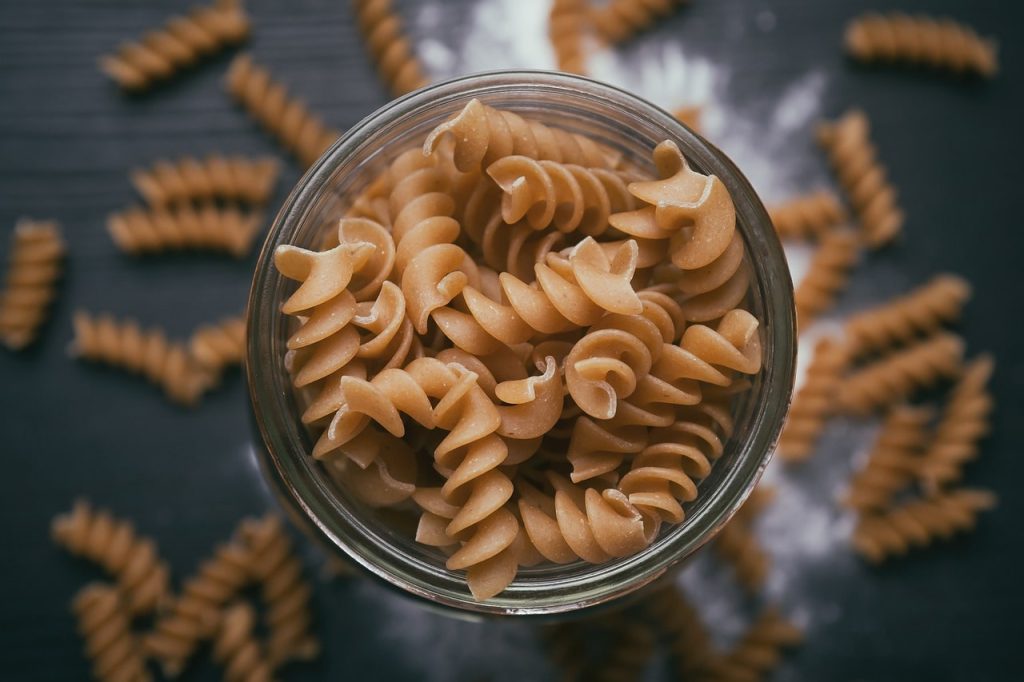
At the same time, if you choose the right pasta, such as those made from durum wheat, they can provide the dog with B-group vitamins, micronutrients, and fiber. As an alternative, you can buy pasta made from buckwheat flour, but rice pasta is prohibited.
Additional information on the topic of pasta in a dog’s diet.
Many dog owners wonder if it is safe to feed pasta to their furry friends. While pasta is not inherently toxic to dogs, there are some factors to consider regarding the benefits and risks of this food:
Benefits:
- Carbohydrate source: Pasta can provide dogs with a source of carbohydrates, which can be a part of their balanced diet. However, it should not replace their primary source of nutrition, which is typically a high-quality dog food.
- Energy boost: Pasta contains energy-rich carbohydrates that can provide a quick energy boost for active dogs or those engaging in intense physical activities.
Risks:
- Weight gain: Pasta is calorie-dense and can contribute to weight gain in dogs if fed in large quantities or too frequently. Overweight or obese dogs are at higher risk for various health issues.
- Digestive upset: Dogs may experience digestive issues such as bloating, gas, or diarrhea if they consume large amounts of pasta or if their system is sensitive to wheat or gluten. Additionally, pasta sauces or seasonings, such as garlic or onions, can be toxic to dogs.
- Nutritional imbalance: Pasta alone does not provide all the essential nutrients dogs need. It lacks important nutrients like vitamins, minerals, and amino acids. If pasta is included in a dog’s diet, it should be a small portion and balanced with other nutritious foods.
Recommendations:
- Moderation is key: If you choose to feed pasta to your dog, it should be in moderation and as an occasional treat rather than a staple food in their diet.
- Plain and well-cooked: Plain pasta without any sauces, seasonings, or added ingredients is the safest option for dogs. Ensure that the pasta is thoroughly cooked to aid digestion.
- Consider alternatives: Instead of pasta, there are specific commercially available dog foods and treats formulated to meet their nutritional needs. These options are designed to provide the necessary nutrients for your dog’s overall health and well-being.
Remember, it’s always best to consult with a veterinarian regarding your dog’s specific dietary needs, as they can provide personalized advice based on your dog’s age, breed, size, and overall health.
In conclusion.
Pasta products, when fed in moderation and as part of a balanced diet, are generally not considered dangerous for dogs. However, it’s important to understand the potential drawbacks and considerations.
Pasta, especially those made from refined grains, is primarily composed of carbohydrates. While dogs can derive energy from carbohydrates, their diet should mainly consist of protein and healthy fats. Excessive carbohydrate consumption, including too much pasta, can lead to weight gain, obesity, and associated health issues in dogs.
Furthermore, pasta lacks essential nutrients that are vital for a dog’s overall health. It’s crucial to prioritize a diet that includes high-quality proteins, essential fatty acids, vitamins, and minerals that meet the nutritional requirements of dogs.
If you choose to incorporate pasta into your dog’s diet, it should be done sparingly and in small portions. It’s important to balance it with other nutritious foods and consult with a veterinarian to ensure that your pet’s specific dietary needs are being met.
In conclusion, while pasta may not be inherently dangerous for dogs, it should be considered an occasional treat rather than a staple in their diet. Providing a well-rounded, species-appropriate diet that focuses on high-quality proteins, healthy fats, and a variety of vegetables is essential for a dog’s optimal health and well-being.










Розбір теми 2025 року.
⚠️ We suggest that you read all the opinions on our portal and take note of them at your own discretion. Do not self-medicate! In our articles we collect the latest scientific data and opinions of authoritative experts in the field of health care. But remember: only a doctor can diagnose and treat.
The portal is intended for users over 13 years old. Some materials may not be suitable for children under the age of 16. We do not collect personal data from children under 13 without parental consent.We have a small request. We strive to create quality content about pet care, and we make it available for free to everyone because we believe everyone deserves accurate and useful information.
Advertising revenue only covers a small portion of our costs, and we want to continue to provide content without having to increase advertising. If you have found our content useful, please support us. It only takes a minute, but your support will help us reduce our reliance on advertising and create even more useful articles. Thank you!