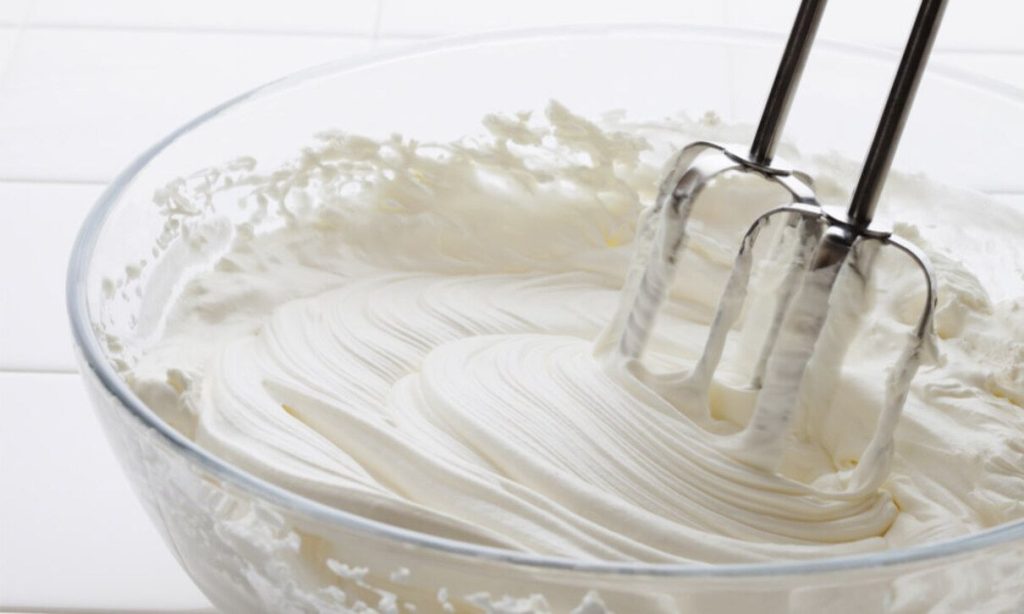
If you’re wondering whether it’s safe to share whipped cream with your cat, it’s important to understand the potential risks associated with this treat. Despite its popularity among humans, whipped cream might not be suitable for feline consumption. Let’s explore the topic further:
Can cats have whipped cream?
While it might be tempting to offer your cat a taste of whipped cream, it’s generally not recommended. Whipped cream contains ingredients that are not part of a cat’s natural diet and can lead to serious health issues.
Why shouldn’t cats have whipped cream?
There are several reasons why whipped cream is not suitable for cats:
- Lactose Intolerance: Most adult cats are lactose intolerant, meaning they lack the necessary enzymes to properly digest lactose, the sugar found in dairy products. Feeding whipped cream to your cat can result in symptoms like diarrhea, vomiting, flatulence, and stomach discomfort.
- Nitrous Oxide: Commercial whipped creams often contain nitrous oxide, which is used as a propellant. While the effects of nitrous oxide on cats aren’t fully understood, it’s best to avoid giving your cat a substance associated with relaxation and potential impairment.
- High Sugar Content: Whipped cream is rich in sugar, which can be problematic for cats. Cats lack the taste receptors to detect sugar, and consuming excessive sugar doesn’t provide nutritional value and can affect their health.
- Artificial Sweeteners: Some whipped creams include artificial sweeteners like corn syrup. These sweeteners can be harmful to cats and contribute to health issues.
- Carrageenan: Store-bought whipped cream often contains carrageenan, an extract from red seaweed used to mimic creaminess. Recent studies have suggested that carrageenan might cause inflammation and toxicity in cats and dogs.
- Caloric Content: Whipped cream is calorie-dense without offering essential nutrients. Feeding whipped cream to your cat increases the risk of obesity and related health problems, including diabetes.
Final Thoughts: Although it might seem harmless, whipped cream isn’t an appropriate treat for cats. Its ingredients and nutritional profile can lead to various health issues. If you’re looking for treats for your cat, it’s best to choose options specifically designed for feline consumption and approved by veterinarians. Prioritizing your cat’s health and well-being ensures they enjoy a balanced and safe diet.
Are there other dairy products that cats cannot have?
Now that you have learned that whipped cream is bad for cats, let’s discuss other dairy products. To put it simply, most, if not all, dairy products should be avoided to help keep your cat happy and healthy.
But why is that? Let’s take a deeper look into the most common dairy products found in homes.
Cow’s Milk
Milk, specifically cow’s milk, is a big one since most homes keep this item stocked in their fridge. Add in the fact that cats are often thought of as big milk drinkers and you have generation after generation thinking milk is safe for felines.
The truth is, milk contains emulsifiers and lactose, which are both harmful to cats. They can lead to various GI issues, including bloating, vomiting, and diarrhea, and even increase their risk of cancer.
An exception to this is raw goat’s milk. According to Animal Wellness Magazine, goat’s milk is easier to digest than cow’s milk and contains various nutritional benefits. It can also help promote a healthy digestive system due to its abundance of antioxidants and beneficial bacteria.
Keep in mind, however, that the goat’s milk has to be raw and not pasteurized. Pasteurized milk has been heated to kill pathogens and bacteria.
While this sounds like a good thing, the heat from the pasteurization process also kills all the good nutrients naturally found in milk. Furthermore, once the milk has been pasteurized, it becomes harder for our bodies and our pet’s bodies to process it, which leads to stomach problems.
Cheese
Cheese is another dairy product that most homes keep on hand. While cheese doesn’t contain as much lactose as cream or milk, it can still cause your kitty to have an upset stomach.
Pet parents are often unaware of the issues that cheese can cause since it does take more of it to cause issues. While it is relatively safe to give your cat a little cheese every once in a blue moon, it shouldn’t be something that is done regularly or in abundance.
Butter
Butter is a little different than the other dairy products on the list because most of the lactose is naturally removed when it is made. When the milk is processed, it is separated into buttermilk and butter fats.
Most of the lactose goes to the buttermilk, leaving the butterfat with only a small amount of lactose.
So, as far as lactose intolerance goes, butter doesn’t seem that bad. However, lactose is not the only thing to be concerned about.
Butter is mainly fat. And while it is mighty tasty, it provides little nutritional value. If your cat consumes too much butter, it will result in obesity and the health problems associated with it.
Can Cats Have Dairy-Free Milk Alternatives?
With the rise of dairy-free milk alternatives like soy milk, almond milk, and oat milk, you might wonder if these products are safe for your cat. Despite their lack of lactose, which is often problematic for cats, it’s important to consider whether these milk alternatives are suitable for your feline friend.
- Natural Habitat Consideration: Cats don’t typically consume dairy-free milk alternatives in their natural habitat. While these alternatives lack lactose, it doesn’t mean they are an ideal choice for cats. Their natural diet doesn’t include these types of beverages.
- Sugar and Obesity Risk: Many dairy-free milk alternatives contain high levels of sugar, which can contribute to obesity in cats. The excessive sugar content can have negative effects on their health and well-being.
- Emulsifiers and Carrageenan: Dairy-free milk alternatives often contain emulsifiers and carrageenan, both of which should be avoided when it comes to your cat’s diet. These additives can potentially be harmful to cats.
- Whipped Cream Consumption: If your cat happens to consume a small amount of whipped cream from your Starbucks treat, there’s generally no need to panic. While whipped cream isn’t recommended for cats, a small lick or two is unlikely to cause serious harm.
- Possible Effects: Consuming whipped cream might lead to an upset stomach, diarrhea, or temporary lethargy in your cat. These symptoms are usually mild and tend to resolve within a few hours.
- Seeking Veterinary Care: If your cat experiences symptoms for more than 24 hours after consuming whipped cream, it’s wise to consult your veterinarian. While serious issues are rare from a small amount of whipped cream, prompt attention to prolonged symptoms is important.
- Quick Medical Attention: If your cat displays persistent symptoms, it’s best not to wait for the situation to worsen. Seeking timely medical attention ensures your cat’s well-being and can prevent potential complications.
Conclusion: While dairy-free milk alternatives might seem like a suitable option due to their lack of lactose, they are not a natural or nutritionally balanced choice for cats. It’s advisable to focus on a diet that aligns with your cat’s natural dietary habits and to provide treats that are specifically designed for feline consumption.
Foods to Avoid for Your Cat
As much as we might be tempted to share our food with our furry friends, there are several human foods that are not just unsuitable for cats, but actually dangerous for them.
- Chocolate: Chocolate is a well-known threat to both cats and dogs. It contains theobromine, an alkaloid that cats can’t metabolize. Theobromine builds up in a cat’s system, leading to toxicity that can result in liver failure and even death.
- Onions and Garlic: Onions, garlic, and related foods like chives, shallots, leeks, and scallions are toxic to cats. They can cause gastrointestinal issues, damage to red blood cells, and anemia. Even powdered forms like garlic and onion powder are dangerous.
- Yeast Dough: Yeast dough poses a risk because it ferments in a cat’s stomach, leading to alcohol poisoning. The expanding dough can cause pain and intestinal rupture.
- Alcohol: Even a small amount of alcohol can be fatal to cats. Alcohol poisoning can cause a drop in blood sugar, blood pressure, and body temperature.
- Raisins and Grapes: Grapes, in any form, should be kept away from cats. Consumption can result in indigestion, vomiting, and even kidney failure.
- Caffeine: Caffeine, found in coffee and some drinks, can cause vomiting, increased heart rate, high blood pressure, seizures, and tremors in cats. It contains theobromine, the same toxic component in chocolate.
It’s essential to be cautious about sharing human foods with cats, as their systems can react very differently from ours. The best approach is to stick to a diet specially formulated for feline nutritional needs and consult with your veterinarian if you’re unsure about the safety of any food.
Safe Human Foods for Cats
Surprisingly, there are human foods that cats can safely enjoy. However, moderation is key, as even safe foods should only be given occasionally and in small amounts.
- Vegetables: Some vegetables offer nutritional benefits for cats. Cucumbers provide vitamin K for blood clotting and liver functions, while pumpkin is rich in vitamins A and C, as well as fiber. Other safe veggies include green beans, carrots, and cauliflower.
- Fruits: Though cats can’t taste sweets, they can appreciate berries like blueberries and strawberries. These berries offer vitamins, nutrients, and fiber that can support their health. Other fruits like bananas, mangos, apples, and apricots can be given in moderation.
- Protein: Lean chicken meat is high in protein and nutrients like vitamins B-6, B-12, B-9, and B-3. Avoid giving them seasoned or marinated chicken, focusing only on the meat itself. Cooked eggs are also safe in moderation, providing nutrients like vitamins A, B-12, D, and minerals like thiamine, riboflavin, and zinc.
- Fish: Fish is more complex due to the presence of omega-6 and omega-3 fatty acids and taurine. However, it’s important to offer fish in small amounts to avoid potential mercury-related health issues. Salmon and tuna are rich in mercury, so they should be given as an occasional treat.
Remember, even safe human foods should be given in moderation to avoid upsetting your cat’s stomach. Always consult your veterinarian before introducing new foods to your cat’s diet.
Choosing the Right Treats for Your Cats
As cat owners, we often want to pamper our furry companions with treats. However, with many human foods off-limits, finding suitable treats can be a challenge. So, what treats can you give your cat?
- Opt for Cat-Specific Treats: The best treats for cats are those designed specifically for them by reputable brands. Look for treats that feature natural ingredients and have a low-calorie content.
- Consult Your Veterinarian: If you’re unsure about which treats to choose, consult your veterinarian. They can offer valuable guidance on the best treats for your cat’s individual needs.
- Moderation is Key: Even if treats are healthy, they should still be given in moderation. According to VCA Hospital, treats should make up no more than 10% of your cat’s daily calorie intake, and ideally, even less at around 5%.
Excessive treat consumption, even of healthy treats, can lead to weight gain and a reduced appetite for their regular food.
Final Considerations about Whipped Cream and Cats
While it might be tempting to share whipped cream with your cat, the potential risks and side effects make it a better choice to avoid. Safer alternatives are readily available for your feline friend.
If you do decide to share human food, ensure it’s safe for cats and give it sparingly. Keep in mind that even non-toxic foods can contribute to obesity, which can negatively impact your cat’s overall health and well-being.
Frequently asked questions on the topic: Can cats have whipped cream?
While it might seem harmless, whipped cream can actually pose serious health risks to cats. It contains ingredients like dairy, sugar, and artificial sweeteners, which are not suitable for feline consumption.
There are several reasons why whipped cream is not safe for cats. Firstly, most adult cats are lactose intolerant, meaning they can’t properly digest the dairy in whipped cream, leading to digestive issues. Additionally, whipped cream contains high sugar content, artificial sweeteners, and potential toxins like nitrous oxide.
While dairy-free alternatives might lack lactose, they still may not be a good choice for cats. These products often contain emulsifiers, carrageenan, and other additives that aren’t suitable for feline consumption.
A small lick of whipped cream is unlikely to cause serious harm, but it could lead to an upset stomach, diarrhea, or even lethargy. In most cases, these symptoms should subside within a few hours.
If your cat ingests a small amount of whipped cream, observe them for any adverse reactions. If they show persistent symptoms like vomiting, diarrhea, or lethargy for more than 24 hours, contact your veterinarian for guidance.
It’s best to opt for cat-specific treats made by reputable brands. These treats are formulated with feline dietary needs in mind. Consult your veterinarian to choose treats that are suitable for your cat’s health and dietary requirements.
Some human foods are safe for cats in moderation, such as cooked chicken, turkey, and certain fruits like blueberries and strawberries. However, always consult your veterinarian before introducing any new foods to your cat’s diet to ensure their safety and well-being.










Технології у сфері догляду за тваринами: тренди 2025.
⚠️ We suggest that you read all the opinions on our portal and take note of them at your own discretion. Do not self-medicate! In our articles we collect the latest scientific data and opinions of authoritative experts in the field of health care. But remember: only a doctor can diagnose and treat.
The portal is intended for users over 13 years old. Some materials may not be suitable for children under the age of 16. We do not collect personal data from children under 13 without parental consent.We have a small request. We strive to create quality content about pet care, and we make it available for free to everyone because we believe everyone deserves accurate and useful information.
Advertising revenue only covers a small portion of our costs, and we want to continue to provide content without having to increase advertising. If you have found our content useful, please support us. It only takes a minute, but your support will help us reduce our reliance on advertising and create even more useful articles. Thank you!