As a cat owner, you’re likely familiar with your furry friend’s curiosity about your food and drinks. However, not all human foods are safe for cats. While milk is commonly associated with cats, it can actually cause stomach issues due to lactose intolerance. Oat milk, a non-dairy alternative made from oats, raises questions about its suitability for cats.
- Is oat milk safe for cats to consume? Yes, oat milk is safe for cats to drink as it doesn’t contain lactose like dairy milk. However, the answer isn’t entirely straightforward.
- Can cats have oat milk regularly? It’s best to avoid giving cats oat milk regularly. Oat milk lacks nutritional benefits for cats and can lead to symptoms similar to those caused by dairy milk. It’s essential to refrain from making oat milk a staple in your cat’s diet. Instead, reserve it for occasional treats.
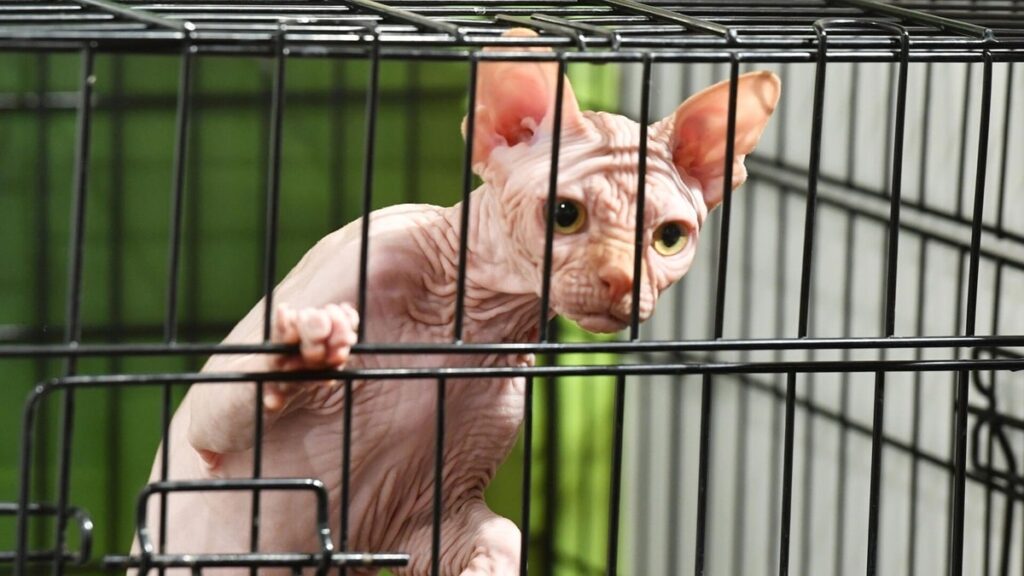
- Is oat milk suitable for kittens? While oat milk is safe for adult cats in moderation, it’s not recommended for kittens. Kittens have delicate stomachs that are more prone to digestive issues. Offering oat milk to kittens could lead to discomfort, including vomiting, diarrhea, cramping, and bloating.
- Can kittens have flavored oat milk? Flavored oat milk, such as vanilla-flavored varieties, should be avoided for cats of all ages. Flavored oat milk contains additional sugar that isn’t beneficial for cats’ health.
- How much oat milk can be given to cats? If you decide to let your cat have oat milk, provide only a small amount occasionally. Moderation is key to preventing potential health problems and ensuring your cat’s well-being.
- Can oat milk replace a cat’s regular diet? No, oat milk should never replace a cat’s regular diet. Cats require specific nutrients from balanced cat food to maintain their health. Oat milk lacks these essential nutrients.
- What’s the conclusion on feeding cats oat milk? While oat milk is safe for cats in small amounts, it’s not a necessary or beneficial part of their diet. It’s better to focus on feeding your cat a nutritionally complete cat food and using oat milk, if at all, as an infrequent treat. Always prioritize your cat’s health and consult your veterinarian for personalized advice.
What is Oat Milk Made From?
Oat milk, as the name suggests, is crafted from raw oats that undergo a soaking process in water. After soaking, the oats are blended and strained to create this alternative to dairy milk.
Compared to soy, cow, or almond milk, oat milk possesses higher amounts of fiber, carbohydrates, and calories. However, it falls short in terms of protein content when compared to dairy and soy milk.
An aspect worth noting is that the process of converting oats into milk transforms the oats’ complex starches into a simple sugar called maltose. Studies indicate that maltose might have more adverse effects on health than complex carbohydrates.
So, what’s the takeaway? As with many consumables, there are both positive and negative attributes to consider. Consequently, it’s advisable to limit the quantity of oat milk given to your cat.
Oat milk comes in diverse flavors, including vanilla and cinnamon variations. While these flavors may appeal to you, they should never be offered to your cat, introducing unnecessary and potentially harmful components.
How much oat milk is safe for cats?
Should you opt to offer your cat oat milk, ensure not to exceed 2 tablespoons. This amount is unlikely to cause stomach discomfort. However, kittens should not be given oat milk, as it could lead to unnecessary stomach distress.
Given that individual cats can react differently, some may experience digestive issues even with this safe quantity of oat milk. If your cat displays diarrhea or vomiting after consuming oat milk, discontinue its consumption. If digestive problems persist after 24 hours, consult your veterinarian promptly.
It’s crucial to emphasize that oat milk should not be a regular part of your cat’s diet; occasional indulgence is sufficient. While cats can safely consume oat milk, excessive intake might result in stomach upset and discomfort.
Consequences of Excessive Oat Milk Consumption in Cats
Providing your cat with an excessive amount of oat milk can result in several adverse effects, including upset stomach, cramps, vomiting, bloating, and diarrhea. Cats find it challenging to digest grains like oats, so an excess of oat milk can trigger symptoms associated with indigestion and stomach discomfort.
Due to the potential risk of digestive issues, it’s crucial to closely observe your cat whenever they consume oat milk. Cats are prone to dehydration when they suffer from diarrhea and vomiting, which can rapidly become life-threatening. Should your cat display signs of digestive problems, promptly schedule an appointment with your veterinarian.
Can Cats Consume Other Types of Milk?
Milk is not a regular component of a cat’s diet, except during their kitten phase when they rely on their mother’s milk. After weaning, milk should not be included in their diet as it can lead to uncomfortable and painful digestive troubles. Milk lacks nutritional value for cats and can induce illness.
If you intend to offer milk to your cat, opt for specially formulated cat milk, using it solely as an occasional treat. Cat milk is tailored to feline dietary requirements and typically contains minimal lactose. It’s provided to kittens and adult cats as a supplement, not a substitute for their regular diet.
- Cow’s Milk: Cow’s milk contains a significant amount of lactose, which is unfavorable for cats. The majority of cats are lactose intolerant, meaning their digestive system cannot process the lactose present in most dairy products. Ingesting lactose can lead to various stomach problems, ranging from mild discomfort to severe pain. Due to the potential for causing discomfort, it’s advisable to refrain from giving your cat cow’s milk.
- Goat’s Milk: Goat’s milk serves as a better alternative to cow’s milk due to its lower lactose content. Additionally, goat’s milk can offer beneficial vitamins and minerals for your cat. However, it’s important to provide only raw goat’s milk, avoiding overly processed variants. Despite its safety for feline consumption, goat’s milk should still be reserved as an occasional treat. Like other milk types, goat’s milk should not be a regular component of a cat’s daily diet.
- Soy Milk: Soy milk is a popular dairy-free milk substitute made from soybeans, which contain a type of protein that cats struggle to digest. Some cats may even be naturally allergic to the protein found in soy. To err on the side of caution, it’s best to avoid offering your cat soy milk.
- Almond Milk: Almond milk, another dairy-free option, might seem suitable for cats. However, almond milk is notorious for inducing vomiting and potentially causing bouts of diarrhea in cats. The high fat and oil content in almond milk is unhealthy for feline consumption.
- Coconut Milk: Coconut milk lacks lactose but is rich in fat and oil, which can be detrimental to cats of all ages. Cats face difficulty digesting the proteins present in coconut milk, leading to stomach upset. Similar to other milk varieties, coconut milk can result in diarrhea, vomiting, bloating, gas, and cramping.
It’s essential to recognize that while some milk alternatives may appear safe for cats, they often come with potential risks and adverse effects. To prioritize your cat’s well-being, it’s advisable to stick to their designated dietary needs and offer specially formulated cat treats when seeking to provide an occasional indulgence.
Healthy Treat Options for Your Cat
When considering treats for your cat, it’s ideal to opt for treats specifically formulated for felines. These treats are tailored to address the intricate dietary needs of cats. Nonetheless, there are certain “human foods” that can be offered to your cat occasionally.
- Tuna Juice: Low-sodium tuna juice drained from canned tuna can serve as an excellent occasional treat for cats. Ensure you provide tuna canned in water, not oil. Tuna canned in oil can lead to severe and painful digestive issues in cats.
- Cooked Chicken and Turkey: Cooked chicken and turkey are safe human foods to treat your cat. Ensure they are unseasoned, as many herbs and spices are toxic to cats. Additionally, ensure the cooked meat is bone-free.
- Cooked Eggs: In moderation, cooked eggs are safe and nutritious treats for cats, offering vitamins, minerals, and protein. Avoid feeding uncooked eggs and seasonings.
- Vegetables: While not all cats enjoy vegetables, some may appreciate them as occasional treats. Suitable vegetables include peas, broccoli, carrots, corn, lettuce, pumpkin, spinach, green beans, winter squash, and zucchini. Prior to feeding, cook or steam the vegetables, as cats’ digestive systems struggle to break down plant cell walls.
- Fruits: Certain cats have a penchant for fruits, making them a healthy and safe occasional treat. Fruits such as strawberries, cantaloupe, bananas, blueberries, seedless watermelon, and peeled apples are options.
- Oat Milk Caution: Oat milk is considered safe for cats to consume, but it lacks nutritional value for them and can lead to stomach discomfort. Due to potential problems associated with oat milk, it’s advisable to avoid offering it to your cat and instead focus on veterinarian-approved treats. If you choose to give your cat oat milk, do so sparingly and closely monitor their well-being afterward.
Points to Keep in Mind
While oat milk is indeed safe for cats to consume, exercising caution is important. It’s worth noting that oat milk lacks nutritional benefits for cats and can lead to stomach issues, causing discomfort for your feline companion.
Given the range of potential problems that may arise from offering oat milk to your cat, it’s advisable to refrain from including it in their diet. Instead, focus on treats that have received approval from veterinarians. Should you opt to provide your cat with oat milk on occasion, do so in moderation and closely observe their condition afterward.
Frequent questions regarding oat milk for cats
Yes, cats can have oat milk.
Oat milk is generally safe for cats to consume, but with some considerations.
Oat milk lacks essential nutritional benefits for cats and may not be an ideal addition to their diet.
Yes, oat milk can potentially lead to stomach problems in cats, causing discomfort.
It’s best to avoid making oat milk a regular part of your cat’s diet due to potential digestive issues.
If you choose to give your cat oat milk, do so occasionally and in moderation, monitoring their well-being afterward.
Yes, veterinarian-approved cat treats are a safer and more suitable choice for treating your feline friend.



Наш аналіз 2025 року — щасливі тварини, щасливі люди.
⚠️ We suggest that you read all the opinions on our portal and take note of them at your own discretion. Do not self-medicate! In our articles we collect the latest scientific data and opinions of authoritative experts in the field of health care. But remember: only a doctor can diagnose and treat.
The portal is intended for users over 13 years old. Some materials may not be suitable for children under the age of 16. We do not collect personal data from children under 13 without parental consent.We have a small request. We strive to create quality content about pet care, and we make it available for free to everyone because we believe everyone deserves accurate and useful information.
Advertising revenue only covers a small portion of our costs, and we want to continue to provide content without having to increase advertising. If you have found our content useful, please support us. It only takes a minute, but your support will help us reduce our reliance on advertising and create even more useful articles. Thank you!